


US Senate Republicans Endorse Trump’s Military Actions Against Iran
The CSR Journal Magazine

On Wednesday, the US Senate witnessed a significant political move as Republicans expressed their support for President Donald Trump’s military engagements in Iran. A bipartisan resolution aimed at curbing the ongoing air campaign and mandating Congressional approval for any military actions against Iran was effectively blocked. The Senate vote concluded with a tally of 53 in favor of blocking the resolution to 47 against it, reflecting largely partisan lines. Almost every Republican senator opposed the resolution, while nearly all Democrats aligned in support, with a few exceptions from both parties.

The resolution was introduced by a coalition of Democrats and certain Republicans, underscoring a collective effort to reaffirm Congress’s constitutional responsibility to declare war. Advocates for the resolution characterized it as a necessary step to reclaim legislative authority over military deployments abroad. In rebuttal, proponents of Trump’s military actions asserted that the President’s decisions fell within his legal rights as the commander in chief to safeguard the United States through measured military responses. They argued that imposing restrictions would jeopardise the safety of US military personnel.

Not a Prolonged Conflict

Senator Jim Risch from Idaho, who chairs the Senate Foreign Relations Committee, emphasized that the current military engagement is far from a prolonged conflict, asserting confidence that the situation would conclude swiftly. However, the measure’s anticipated failure was not unexpected given that Republicans maintain a narrow majority in both chambers of Congress. Previous attempts to limit Trump’s military authority had also been dismissed by GOP lawmakers.

Supporters of the initiative vowed to continue their efforts. Some Republican senators who voted against the resolution indicated their intention to demand public explanations from members of Trump’s administration regarding the strategy towards Iran, especially if the hostilities continue as suggested by Trump’s predictions.

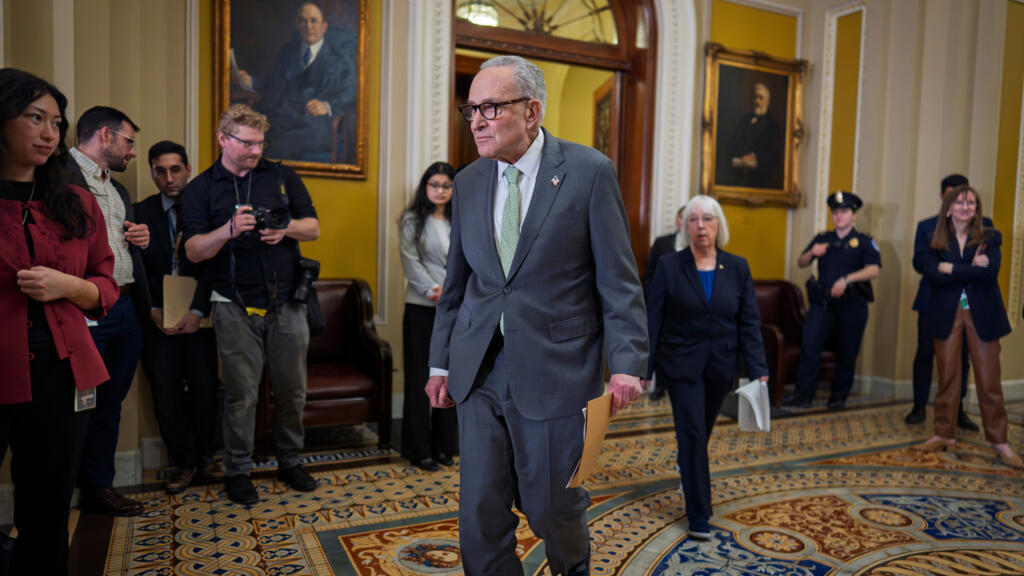
The discussions surrounding Trump’s military strategy in the Middle East sparked concern among lawmakers, with some questioning whether America was being drawn into another prolonged conflict reminiscent of the wars in Iraq and Afghanistan. Democratic Leader Chuck Schumer from New York, who co-sponsored the resolution, urged senators to prioritise the sentiments of the American populace, many of whom are fatigued by military engagements in the region, rather than aligning with Trump’s foreign policy decisions.

The political landscape may shift following the upcoming midterm elections, with the potential for Democrats to gain control of Congress. This scenario raises questions about how a continued military operation in Iran would influence voter sentiment. Polling data showed limited public support for military actions in Iran, highlighting that only approximately 25 percent of Americans were in favour of the strikes, while around half believed that Trump’s approach was overly aggressive.

Venezuela Campaign

In addition to the military campaign focused on Iran, US forces have actively engaged in confronting vessels in the Caribbean and Pacific regions, actions attributed to efforts against Venezuelan drug trafficking. Earlier this year, Trump also directed military efforts aimed at apprehending Venezuelan President Nicolas Maduro.

The ongoing military initiative against Iran has already resulted in collateral damage, not only in Iranian territories but also impacting Israel and surrounding regions. Senator Tim Kaine of Virginia, a key supporter of the resolution, labeled the ongoing actions as a war, emphasizing the necessity for presidential accountability regarding military decisions made without legislative oversight. During a classified session, he urged Trump officials to seek Congressional approval for military operations.

The House of Representatives is preparing to deliberate on a comparable resolution on Thursday. Concurrently, Republican House Speaker Mike Johnson expressed confidence that there would be enough votes to defeat this measure as well. He voiced concerns that the proposal could endanger US troops and potentially embolden Iranian military forces, reflecting fears of the ramifications tied to Congressional oversight of military actions.

Should a resolution secure passage through both the Senate and the House, it would still require substantial bipartisan support to withstand a likely presidential veto, which poses further challenges to its implementation.

Long or Short, get news the way you like. No ads. No redirections. Download Newspin and Stay Alert, The CSR Journal Mobile app, for fast, crisp, clean updates!

App Store –  https://apps.apple.com/in/app/newspin/id6746449540 

Google Play Store – https://play.google.com/store/apps/details?id=com.inventifweb.newspin&pcampaignid=web_share

Latest News

Popular Videos
