


US Army Increases Maximum Age for Recruitment to 42 Years
The CSR Journal Magazine

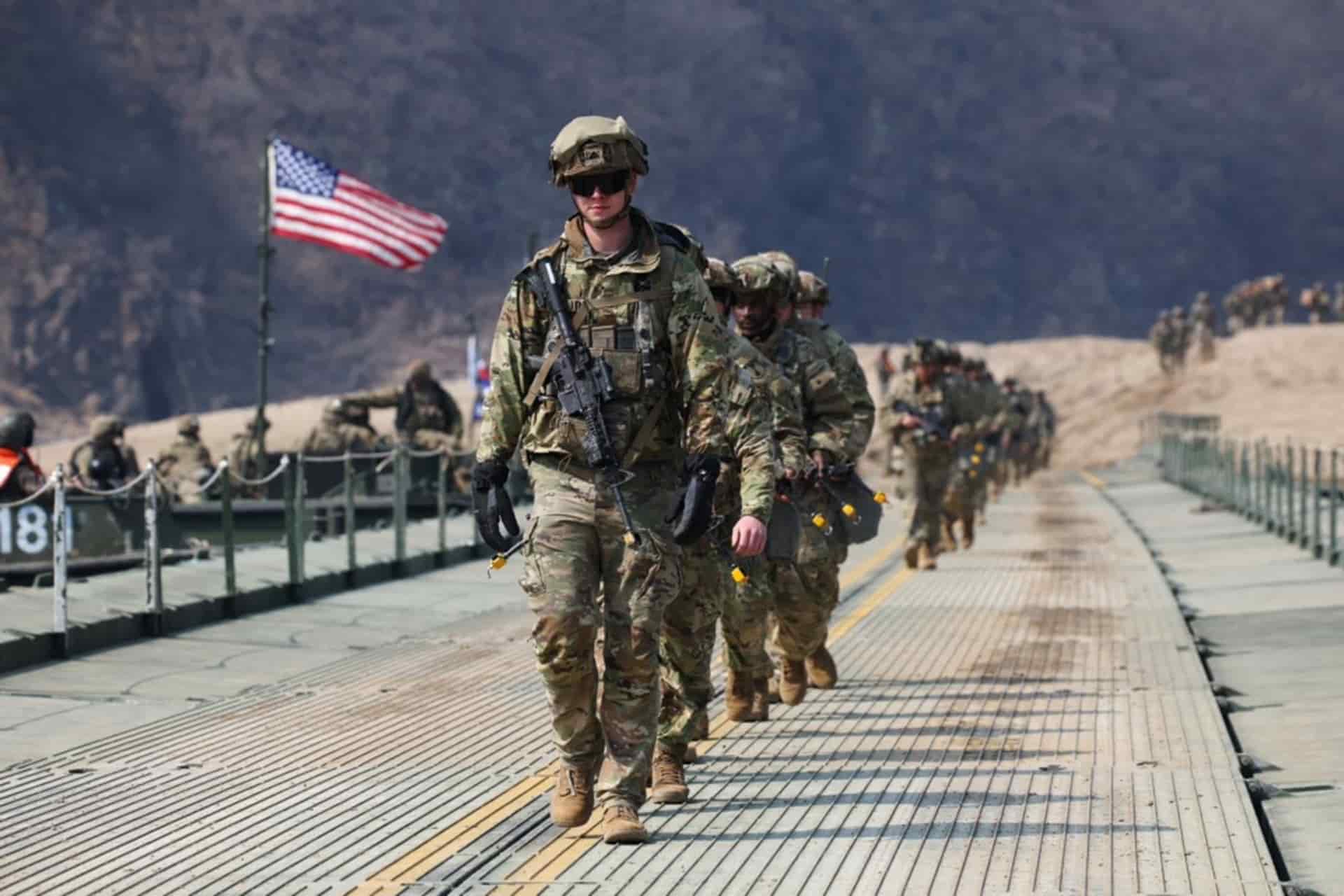
In a noteworthy change to its recruitment strategy, the US Army has raised the maximum age limit for new enlistees from 35 to 42 years. This adjustment applies to all branches, including the Regular Army, Army National Guard, and Army Reserve. Officials have indicated that this move is intended to tackle ongoing challenges in meeting recruitment targets, which have been unmet over the previous years. The new policy is part of a comprehensive initiative designed to attract a larger pool of potential candidates.

In conjunction with the age increase, the Army has also modified its regulations concerning individuals with minor drug-related offenses. Individuals with a single conviction for marijuana possession or associated paraphernalia can now enlist without needing special waivers. Previously, this process required lengthy approval times and additional scrutiny. This change is expected to streamline the enlistment process for various candidates.

Changing Demographics and Recruitment Challenges

The Army has faced consistent difficulties in fulfilling its recruitment goals, having missed targets in successive years. Analysts and military experts attribute these challenges to shifting demographics and changing career expectations among younger generations. Interestingly, the average age of recruits has been rising; in 2024, the typical enlistee was around 22 years old, marking a steady upward trend.

Recruitment experts assert that older candidates may contribute significant advantages. Research and data indicate that older recruits often achieve better results on qualification assessments, demonstrate increased focus, and tend to remain in service longer, enhancing their chances of promotions. These characteristics are particularly appealing in a modern military context.

Challenges Associated with Older Enrollment

Despite the advantages older enlistees may offer, this shift has its challenges. Statistical data shows that older recruits may experience higher dropout rates during basic training and exhibit slightly greater attrition overall. Nevertheless, military planners seem willing to accept these trade-offs in exchange for the benefits of greater experience and diverse skill sets.

The adjustment to recruitment policies reflects a broader evolution in the Army’s operational needs. Contemporary warfare increasingly relies on advanced technical skills, spanning areas such as artificial intelligence and space operations. Officials have underscored the necessity of attracting individuals with specialized competencies. To this end, the Army has broadened its avenues for technology professionals and aims to significantly augment the number of personnel holding college degrees.

Revamping Recruitment Messaging

In response to the changing landscape, recruitment messaging has been revised to resonate more effectively with Generation Z. Additionally, new pre-training programs are being implemented to assist candidates in meeting both fitness and academic criteria before they officially enlist. Military leaders underscore that these changes are designed to foster a more capable and technically adept force for future challenges.

Long or Short, get news the way you like. No ads. No redirections. Download Newspin and Stay Alert, The CSR Journal Mobile app, for fast, crisp, clean updates!

App Store –  https://apps.apple.com/in/app/newspin/id6746449540 

Google Play Store – https://play.google.com/store/apps/details?id=com.inventifweb.newspin&pcampaignid=web_share

Latest News

Popular Videos
