


app-store-logo
play-store-logo
February 25, 2026

US Advances Toward Stricter Wage Regulations for H-1B Visa Holders
The CSR Journal Magazine

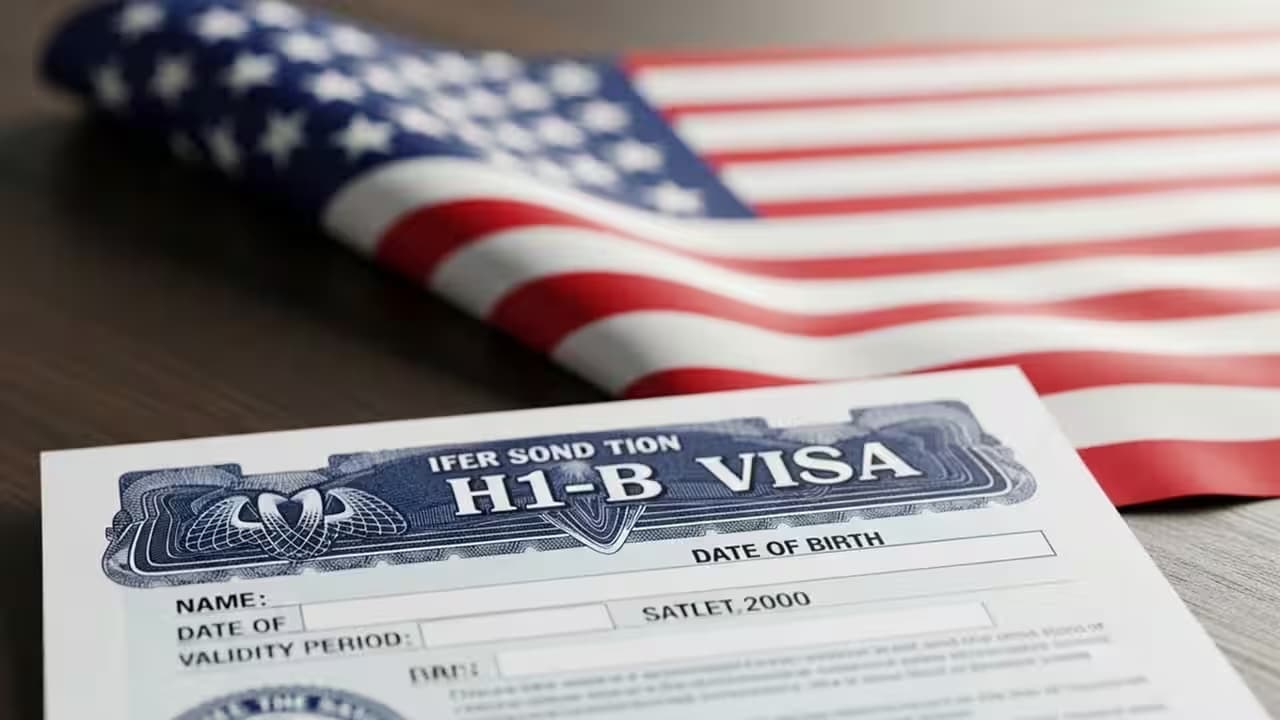
The United States has taken a significant step towards revising wage regulations for foreign workers, particularly those on H-1B visas. A proposal aimed at adjusting wage norms and influencing the employment-based green card process has successfully passed federal review. This regulatory change has the potential to increase minimum salary requirements for workers sponsored under these categories.

Submitted two months ago to the Office of Management and Budget (OMB) for evaluation, the proposal is anticipated to be published soon for public comment before it is finalized. The prevailing wage system establishes the minimum salaries that employers in the U.S. must offer foreign employees, depending on job role and geographic location. Alterations to this framework will directly impact hiring expenses, eligibility criteria, and sponsorship decisions for employers.

Changing Wage Calculation Methodologies

While the specific details of the proposed regulation have not yet been disclosed, experts in immigration law predict that it will reconfigure how wage levels are determined and possibly elevate the minimum salary benchmarks for multiple job sectors. This shift in wage calculation method could significantly influence the decisions made by employers in terms of hiring and financial planning.

During the presidency of Donald Trump, the Labor Department enacted a rule in October 2020 that raised wages for H-1B visa workers and those applying for employment-based green cards by 40% to 100%. However, this final rule faced legal challenges and was eventually withdrawn. Although the Biden administration initially aimed to introduce a new set of wage regulations, these plans were later postponed.

Impact on Indian Professionals

This proposed change holds considerable significance for Indian professionals, who constitute the majority of H-1B visa recipients and represent a significant proportion of applicants for employment-based green cards in the United States. The technology and healthcare sectors are particularly affected, as they include a large number of Indian workers. Data from the United States Citizenship and Immigration Services indicates that out of all H-1B applications approved in fiscal year 2024, approximately 71%, translating to around 280,000 applications, were granted to Indian nationals.

The public comment period for any new proposal generally lasts between 30 to 60 days; however, immigration experts speculate that it may be limited to a 30-day timeframe in order to expedite the finalization of the wage rule. Should this revised wage structure be implemented, it may apply to H-1B beneficiaries selected in the upcoming 2027 season, with registrations for the H-1B cap visa scheduled to commence next month.

Previous reports have indicated that employers sponsoring H-1B visa applications are not particularly optimistic about the upcoming cap season, raising concerns that these wage regulations could complicate hiring processes further. The evolving labor market landscape in the U.S. continues to pose challenges for both employers and foreign workers seeking opportunities in the country.

Long or Short, get news the way you like. No ads. No redirections. Download Newspin and Stay Alert, The CSR Journal Mobile app, for fast, crisp, clean updates!

App Store –  https://apps.apple.com/in/app/newspin/id6746449540 

Google Play Store – https://play.google.com/store/apps/details?id=com.inventifweb.newspin&pcampaignid=web_share

Latest News

Popular Videos
