


app-store-logo
play-store-logo
February 11, 2026

Understanding Why Ear-Piercing Holes Can Close Quickly
The CSR Journal Magazine

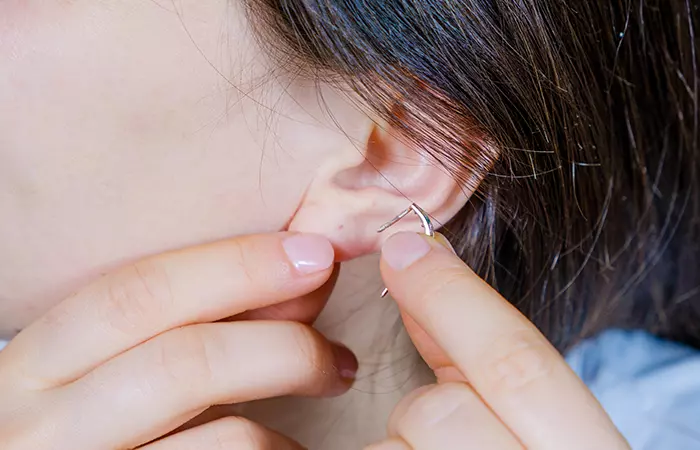
After getting my ears pierced, I anticipated a complete healing within three months. The external appearance seemed fine, with no pain or signs of swelling. However, when I temporarily removed my earrings and attempted to reinsert them after a brief period, I faced difficulty as the holes appeared to be closing. This caused confusion and concern about my piercing care practices. Conversations with experts and researching piercing maintenance revealed a crucial fact: the visible healing of a piercing does not necessarily indicate full recovery internally.

The body treats a piercing as a minor wound, which requires time to heal completely. Even after several weeks or months, the inner skin surrounding the piercing may remain soft, and when earrings are removed, the body instinctively tries to close the opening. This rapid response is a natural part of the healing process and an indicator of my body functioning properly.

Duration of Healing

The general consensus is that earlobe piercings typically take around three to six months to heal. However, the healing duration can significantly vary from person to person. Some individuals may experience faster healing, while others may take longer. Even after three months, my piercing might still be in the process of forming a solid tunnel of healed tissue, referred to as a fistula. If this tunnel is not fully developed, the opening can diminish quickly upon removing earrings. Cartilage piercings, in contrast, may require six to twelve months for complete healing, highlighting the importance of patience during this period.

When I take my earrings out, my body reacts promptly, perceiving the opening as a site that needs closure. Skin cells quickly commence the tightening and repairing process, which explains why the hole appears smaller soon after removal, making it challenging to reinsert the earring. This tightening may create a feeling of mild discomfort but is not necessarily indicative of an infection; rather, it suggests the inner piercing is still in its healing phase.

Minimizing Frequent Removal

Upon reflection, I acknowledged that I might have been removing my earrings too frequently. Experts recommend wearing earrings consistently, even while sleeping, throughout the healing phase. Frequent removal can disrupt the healing process, leading to minor tears that hinder recovery. By regularly wearing lightweight earrings, the likelihood of the hole remaining open and healing correctly increases. I learned that consistency is more vital than I initially believed.

Care Tips to Prevent Closure

After gaining knowledge about proper piercing maintenance, I adopted a few simple guidelines. I now prioritize wearing small, light earrings on a daily basis, avoid lengthy removal periods, clean the area gently with saline solution, and steer clear of heavy earrings that apply pressure on my skin. By allowing adequate time for my piercing to heal completely, I hope to prevent any premature closure. Should the hole ever close entirely, I understand the importance of waiting for full recovery before considering a re-piercing.

Indications for Medical Attention

While rapid closure is typically a normal aspect of healing, certain symptoms warrant consultation with a healthcare professional. These include severe pain, persistent swelling, unusual discharge, fever, or the development of hard, painful lumps. Such symptoms may signal infection and require medical evaluation. If the hole closes rapidly after removing my earrings, it suggests that the piercing has not yet fully healed. Although three months may seem sufficient, internal healing can extend beyond this timeframe.

Long or Short, get news the way you like. No ads. No redirections. Download Newspin and Stay Alert, The CSR Journal Mobile app, for fast, crisp, clean updates!

Latest News

Popular Videos
