


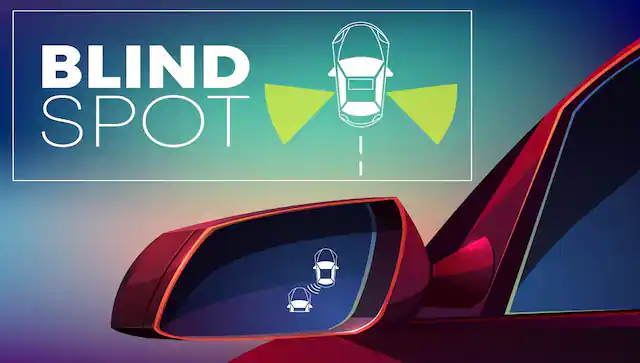

Driving safely requires more than following traffic signals and maintaining the correct speed. Drivers must also remain aware of vehicles, pedestrians, and obstacles around them. However, certain areas surrounding a car cannot be seen directly through the windscreen, rear-view mirror, or side mirrors. These areas are commonly known as blind spots.
Blind spots can become particularly dangerous when changing lanes, turning, reversing, or navigating crowded roads. In India, where motorcycles, auto-rickshaws, bicycles, and pedestrians often share limited road space, understanding blind spots is essential for preventing accidents. Recognising these hidden areas and adopting safer driving habits can help motorists improve awareness and reduce collision risks.
What Are Blind Spots in Driving?
Blind spots are areas around a vehicle that the driver cannot see directly or through properly adjusted mirrors without changing their viewing position.
Every vehicle has blind spots, although their size and location vary depending on its design, dimensions, seating position, and mirror arrangement.
For example, a motorcycle travelling alongside the rear portion of a car may temporarily disappear from the driver’s side mirror.
If the driver changes lanes without checking the surrounding area, a collision may occur.
Blind spots are not limited to the sides of a vehicle. They may also exist near the front, rear, and areas obstructed by roof pillars.
Common Types of Blind Spots
Understanding where blind spots occur can help drivers recognise potentially dangerous situations.
1. Side Blind Spots
Side blind spots are generally located beside and slightly behind a vehicle.
These areas are particularly important when changing lanes or merging into traffic.
A motorcycle or smaller vehicle travelling in an adjacent lane may remain outside the driver’s direct field of vision.
2. Rear Blind Spots
Rear blind spots occur behind the vehicle, especially in areas that cannot be seen through the rear-view mirror.
Children, pets, bicycles, and low obstacles may be difficult to detect.
These blind spots become particularly dangerous while reversing or parking.
3. Front Blind Spots
The bonnet, dashboard, and vehicle height can obstruct visibility immediately in front of a car.
This is especially relevant for larger vehicles such as SUVs.
Small children, animals, or low objects positioned close to the front bumper may not be visible from the driver’s seat.
4. Pillar Blind Spots
The structural pillars supporting a vehicle’s roof can obstruct portions of the driver’s view.
The front pillars, commonly called A-pillars, may temporarily hide pedestrians, cyclists, or approaching vehicles during turns.
Drivers should adjust their viewing position carefully when necessary to check areas hidden behind these pillars.
Why Are Blind Spots Dangerous?
Blind spots increase accident risks because drivers may assume that an area is clear when another road user is actually present.
This can lead to collisions during lane changes, turns, overtaking, or reversing.
On busy Indian roads, smaller vehicles frequently move between lanes or travel close to larger vehicles.
Motorcycles and bicycles are particularly vulnerable because their smaller size makes them easier to overlook.
Poor lighting, heavy rain, and improperly adjusted mirrors can further reduce visibility.
Understanding these risks helps drivers remain cautious when performing manoeuvres that require awareness of surrounding traffic.
How to Adjust Mirrors to Reduce Blind Spots
Proper mirror adjustment is one of the simplest ways to improve visibility.
Before starting a journey, drivers should ensure that their seating position is comfortable and provides a clear view of the road.
The interior rear-view mirror should be adjusted to provide a clear view through the rear windscreen.
Side mirrors should be positioned to show adjacent lanes while minimising unnecessary overlap with the interior mirror.
A small portion of the vehicle’s side may remain visible depending on the adjustment method and vehicle design.
However, mirrors cannot eliminate every blind spot.
Drivers should still perform appropriate visual checks before changing lanes or turning.
Safe Lane-Changing Practices
Lane changes are among the most common situations where blind spots create risks.
Before moving into another lane, drivers should check their mirrors and assess surrounding traffic.
Indicators should be activated sufficiently early to communicate the intended movement.
A brief shoulder check, where safe and appropriate, can help identify vehicles that may not appear in the mirrors.
Drivers should also maintain adequate space and avoid sudden steering movements.
The final decision to change lanes should be based on actual road conditions rather than assuming that other motorists will make space.
Understanding Blind Spots Around Large Vehicles
Trucks, buses, and other large vehicles often have substantial blind spots because of their height and dimensions.
These areas may extend along the sides, directly behind, and close to the front of the vehicle.
Drivers of smaller cars should avoid remaining alongside large vehicles unnecessarily.
If a truck driver’s mirrors are not visible from your position, there is a possibility that the truck driver cannot see your vehicle.
Maintaining a safe distance and avoiding abrupt overtaking manoeuvres can reduce collision risks.
Extra caution is necessary when large vehicles are turning because they may require additional road space.
Can Technology Help Detect Blind Spots?
Modern vehicles may include technologies designed to improve driver awareness.
Blind-spot monitoring systems use sensors or cameras to detect certain vehicles travelling in adjacent areas.
When another vehicle is detected, a warning indicator may appear in the side mirror or dashboard.
Some systems also provide audible alerts when the driver activates an indicator while another vehicle is nearby.
Rear-view cameras, parking sensors, and cross-traffic alerts can provide additional assistance during reversing.
However, these technologies have limitations and may not detect every obstacle or road user.
Drivers should treat them as supporting features rather than replacements for careful observation.
Common Mistakes Drivers Should Avoid
Several everyday habits can increase the risks associated with blind spots.
These include changing lanes without checking mirrors, relying entirely on cameras, and assuming smaller vehicles will remain visible.
Drivers should also avoid making sudden turns without checking for pedestrians or cyclists.
Another common mistake is driving too close to trucks or buses, particularly near intersections.
Maintaining awareness of surrounding traffic and allowing adequate space for manoeuvres can help prevent avoidable collisions.
How Do Blind Spots Relate to Car Insurance?
Even careful drivers may encounter unexpected situations on busy roads. Understanding available insurance protection is therefore an important part of responsible vehicle ownership.
When comparing car insurance online, vehicle owners should examine the differences between third-party liability coverage and policies that also protect against damage to their own cars.
For example, if a collision occurs during a lane change, insurance coverage will depend on the circumstances of the accident and the policy’s terms.
In India, third party insurance is legally mandatory for vehicles used in public places, subject to statutory exceptions. It covers specified legal liabilities arising from injury, death, or property damage involving other people.
However, it does not cover damage to the insured vehicle itself.
Comprehensive policies may provide additional protection against eligible accidental damage, subject to applicable exclusions and deductibles.
Practical Tips for Avoiding Blind-Spot Accidents
Drivers can reduce blind-spot risks by adopting a few consistent safety practices.
-
Adjust mirrors before beginning every journey.
-
Check mirrors and relevant blind spots before changing lanes.
-
Use indicators early when turning or merging.
-
Maintain sufficient distance from larger vehicles.
-
Avoid remaining beside trucks or buses for extended periods.
-
Check carefully for pedestrians and cyclists near intersections.
-
Use cameras and sensors as additional assistance rather than relying on them completely.