


app-store-logo
play-store-logo
March 9, 2026

Understanding Black Rain: Causes and Implications of a Rare Atmospheric Phenomenon
The CSR Journal Magazine

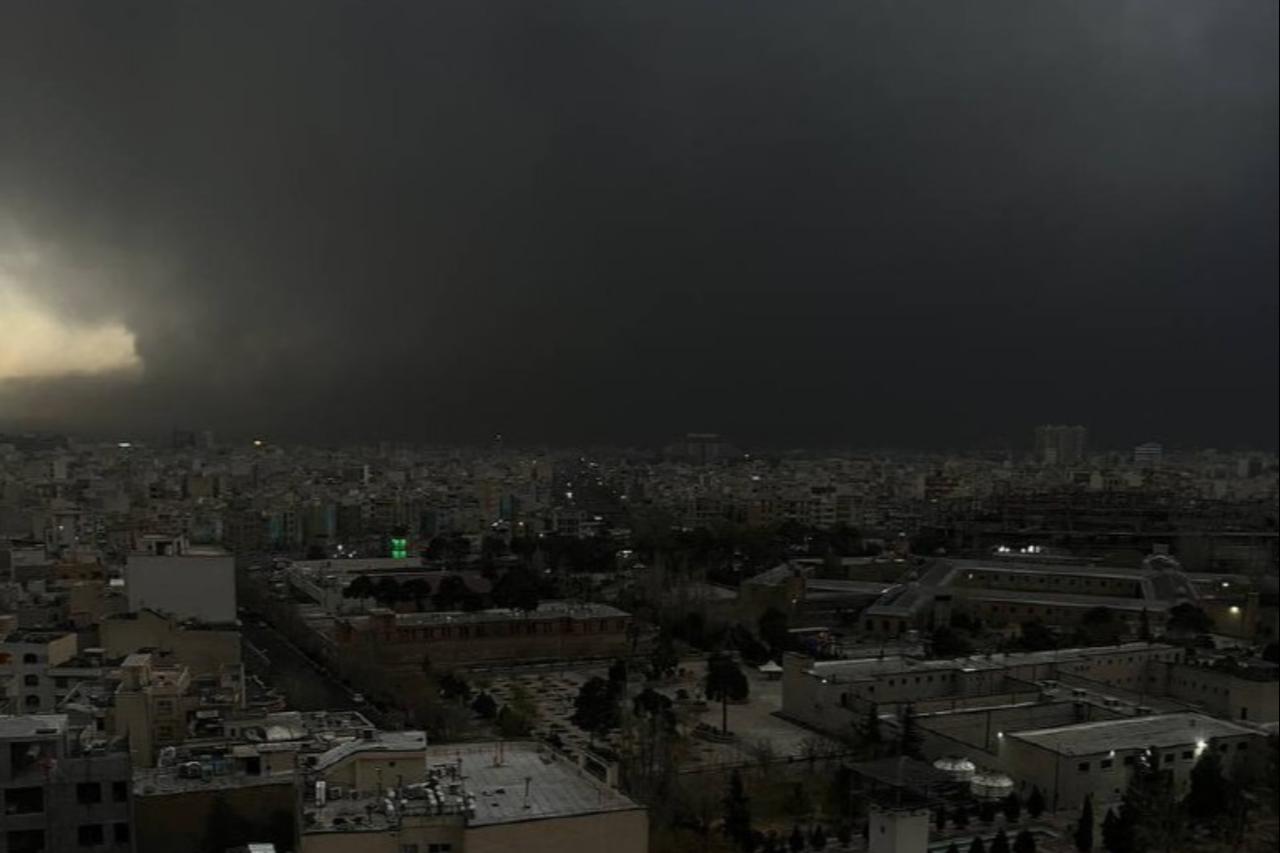
Black rain is a rare atmospheric occurrence where rainfall appears dark due to the presence of suspended particles such as soot, ash, dust, or oil droplets. This condition occurs when rainwater mixes with high levels of contaminants in the atmosphere. The phenomenon was notably highlighted in March 2026 when residents of Tehran experienced dark rainfall following military airstrikes on oil storage facilities, which ignited substantial fires and emitted thick smoke into the air. As rain clouds formed, they captured these dark particles before the rain fell to the ground, resulting in black droplets that landed on the city.

Scientific Explanation for Black Rain

The process behind black rain involves atmospheric scavenging, where raindrops collect pollutants as they move through contaminated air. In typical scenarios, rain contains minimal impurities. However, during events of extreme pollution, such as those following military operations, raindrops can carry significant amounts of contaminants, leading to the discolored appearance of rainfall. This phenomenon is not only limited to urban pollution but can be exacerbated by various environmental events.

Environmental Causes of Black Rain

Several environmental factors can lead to the occurrence of black rain. Industrial pollution from factories, oil refineries, and coal-burning plants releases soot and carbon particles into the atmosphere, which can darken the rain as it mixes with water droplets. Additionally, large-scale wildfires produce substantial smoke layered with ash and burnt organic materials; rain passing through this smoke can pick up dark particulates. Volcanic eruptions release fine ash that can similarly affect rainfall. Lastly, burning oil fields or fires in petroleum storage can produce thick black smoke, which contributes to the formation of oily rain, as observed in the recent events in Tehran.

Implications of Black Rain for Health and Environment

The occurrence of black rain poses several environmental and health risks. Contaminated rainfall can lead to soil pollution, affecting agricultural land and compromising the quality of crops. There is also a risk of pollution spreading to water bodies, which can harm aquatic ecosystems. Furthermore, health issues may arise from contact with contaminated water, leading to skin irritations and respiratory problems from inhaling polluted air. The release of chemicals during fires can exacerbate health risks, particularly for vulnerable populations.

Historical Context of Black Rain

While black rain is considered a rare phenomenon, it has been documented in various historical events. One of the most notable instances was the bombing of Hiroshima, where ash and radioactive materials mixed with rainfall due to the explosion’s immense energy. Other occurrences have been attributed to severe pollution episodes, extensive wildfires, and oil field burnings. These events demonstrate the potential for natural and human-made disasters to influence atmospheric conditions, resulting in harmful rainfall.

Long or Short, get news the way you like. No ads. No redirections. Download Newspin and Stay Alert, The CSR Journal Mobile app, for fast, crisp, clean updates!

App Store –  https://apps.apple.com/in/app/newspin/id6746449540 

Google Play Store – https://play.google.com/store/apps/details?id=com.inventifweb.newspin&pcampaignid=web_share

Latest News

Popular Videos
