


app-store-logo
play-store-logo
March 5, 2026

Trump’s Global Tariff May Rise to 15% This Week, According to U.S. Treasury Secretary
The CSR Journal Magazine

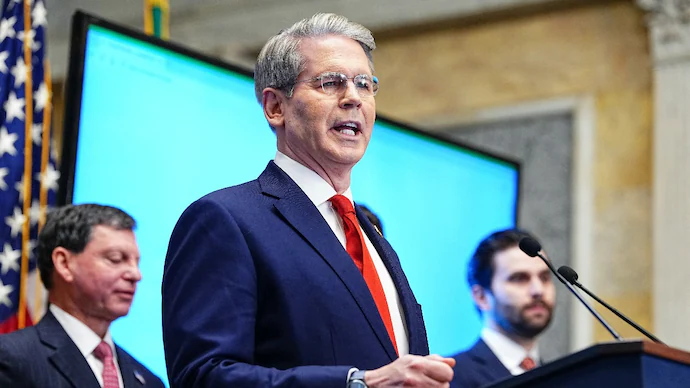
US President Donald Trump’s temporary global import tariff is anticipated to be raised to 15%, as indicated by U.S. Treasury Secretary Scott Bessent. In an interview with CNBC, Bessent mentioned that this adjustment might be implemented within a matter of days, reflecting a shift in the administration’s trade policy following a recent Supreme Court decision. The rate is expected to increase from the existing 10% level.

Rebuilding the Tariff Framework Following Legal Ruling

Bessent explained that this proposed increase is part of Trump’s agenda to restore the tariff policies that were affected by a Supreme Court ruling in February. This ruling determined that the President did not possess the authority to execute certain extensive tariffs under the International Emergency Economic Powers Act (IEEPA). Despite this legal hurdle, Bessent expressed confidence that tariff levels would revert to previous standards in a relatively short timeframe.

Confidence in Quick Restoration of Tariff Levels

During the interview, Bessent stated, “It’s my strong belief that the tariff rates will be back to their old rate within five months.” He emphasized that the administration is exploring alternative legal frameworks to reestablish the tariffs, aiming for a robust and legally justified approach to trade.

Use of Alternative Legal Authorities

To reinforce future tariffs, Bessent highlighted that trade investigations conducted by the Office of the U.S. Trade Representative (USTR) along with the Commerce Department will play a crucial role. He pointed out that these investigations would provide the necessary justification for imposing new duties under current trade legislation. “During the 150 days, we will see studies from USTR on Section 301, tariffs from Commerce on Section 232,” he noted.

Legal Foundations of Proposed Tariffs

The tariffs previously instituted under Section 301, which target unfair trade practices, and Section 232, linked to national security issues, have been essential tools for the Trump administration in addressing import duties. Bessent characterized these legal measures as “slow moving, but they are more robust,” indicating their long-term viability under legal scrutiny.

Current Implementation Under Trade Act of 1974

The new construction of tariffs is being carried out under Section 122 of the Trade Act of 1974, which permits provisional import duties for a duration of up to 150 days unless an extension is authorized by Congress. Following the Supreme Court decision in February, Trump introduced the tariff plan with an initial global rate of 10%, subsequently announcing an increase to 15% as part of his trade strategy.

Long or Short, get news the way you like. No ads. No redirections. Download Newspin and Stay Alert, The CSR Journal Mobile app, for fast, crisp, clean updates!

App Store –  https://apps.apple.com/in/app/newspin/id6746449540 

Google Play Store – https://play.google.com/store/apps/details?id=com.inventifweb.newspin&pcampaignid=web_share

Latest News

Popular Videos
