


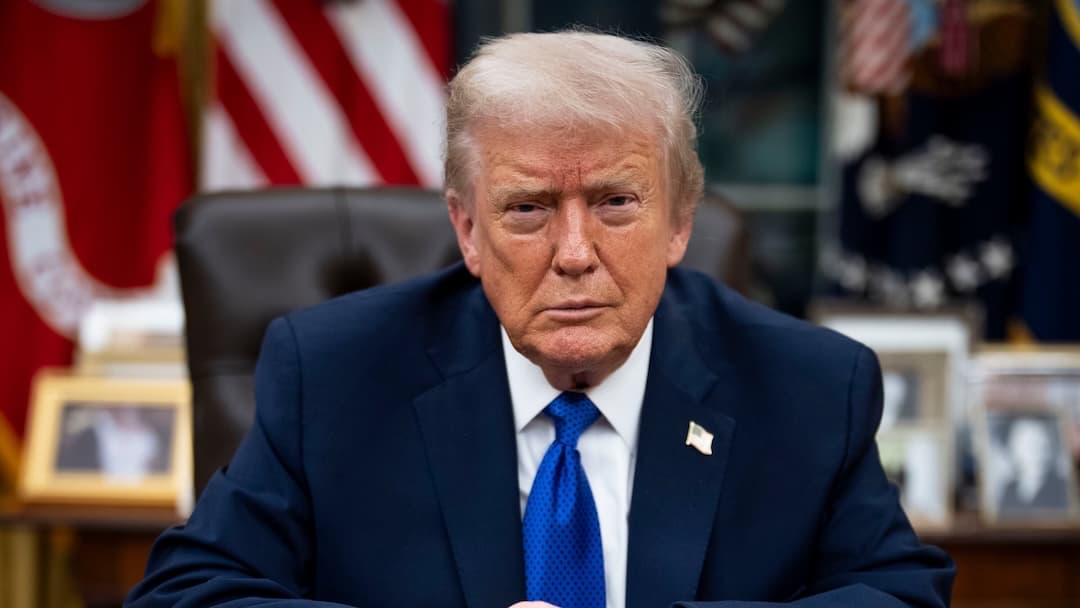

US President Donald Trump has intensified pressure on Iran to accept a nuclear agreement, warning that failure to do so would result in “very traumatic” consequences, following talks with Israeli Prime Minister Benjamin Netanyahu at the White House.
Trump described his meeting with Netanyahu as “very good” and reiterated that diplomacy remains the preferred outcome, but only if Tehran agrees to Washington’s terms.
Trump References Past US Strikes
Speaking at a press conference, Trump reminded Iran of previous US military action, referring to “Midnight Hammer”, the June 2025 strikes on Iran’s three major nuclear facilities.
“We have to make a deal. Otherwise, it’s going to be very dramatic,” Trump said. “They should have made a deal the first time, then they got Midnight Hammer instead.”
He added that if negotiations fail, the situation would escalate sharply. “This will be very traumatic for Iran if they don’t make a deal. If they don’t make a deal, then it’ll be a different story.”
Trump also indicated that while allies such as Israel are closely consulted, the final decision rests with Washington.
Netanyahu Calls Relationship Close But Remains Sceptical
Netanyahu, speaking before departing Washington, said Trump believes strong pressure could compel Iran to accept a “good deal”, but he himself expressed reservations about the likelihood of success.
“I did not hide my general scepticism about the possibility of reaching any agreement with Iran,” the Israeli prime minister said, emphasising that any pact must address not only nuclear activities but also ballistic missiles and Iran’s regional proxy networks.
He described the discussions with Trump as part of a “close, genuine, and open relationship” between the two leaders and said the talks also covered the situation in Gaza.
Talks Continue Amid Regional Tensions
The renewed diplomatic push comes as the United States and Iran attempt to revive negotiations after previous efforts were derailed by regional conflict and military escalation.
Iran has consistently denied pursuing nuclear weapons and has resisted expanding talks beyond its nuclear programme, while Israel and the United States insist that broader security concerns must be addressed.
With both sides hardening their positions, the coming weeks are expected to determine whether diplomacy can prevent further confrontation or whether tensions in the Middle East will intensify further.