


US–Iran Announce 2-Week Ceasefire, but Will It Really Last?
The CSR Journal Magazine

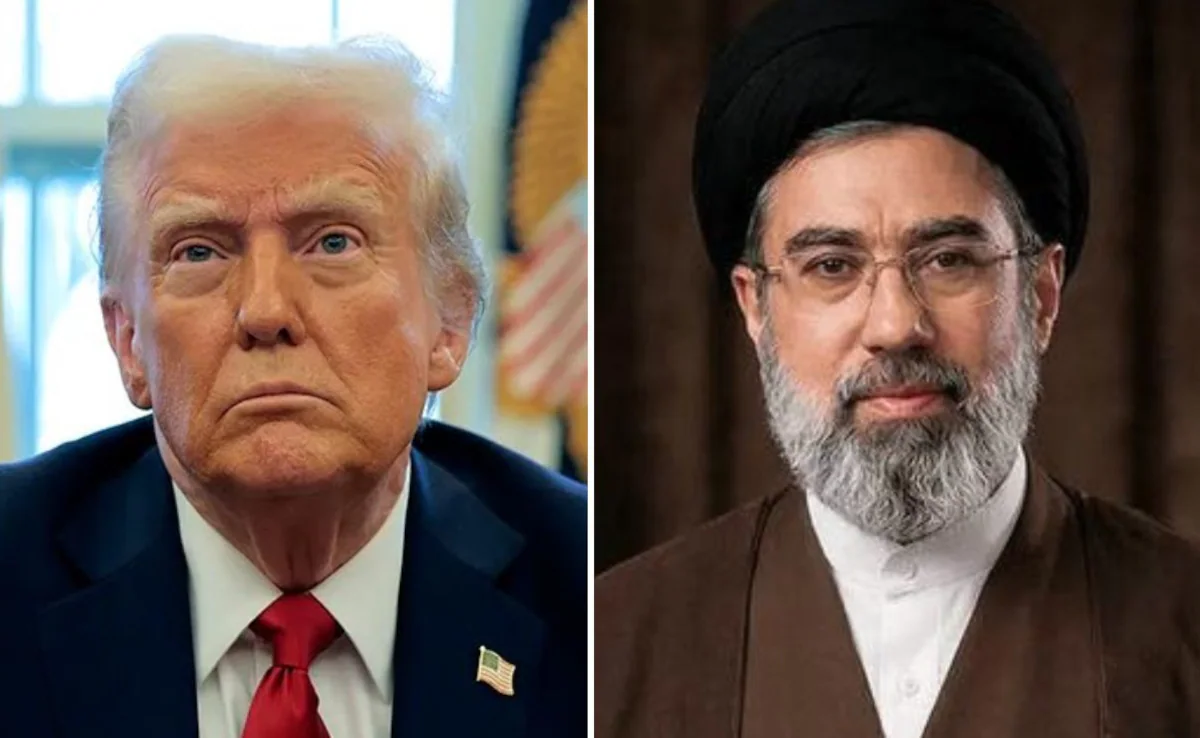
The United States and Iran have declared a ceasefire, raising questions about its longevity. This announcement came after a period of heightened tensions, characterised by military threats and significant media speculation. US President Donald Trump indicated that the US would suspend attacks on Iranian infrastructure for two weeks, subject to Iran’s compliance with certain conditions.

In the lead-up to the announcement, both nations appeared poised for conflict, with B-52 bombers reportedly en route to Iran. Amid this backdrop, Pakistani Prime Minister Shehbaz Sharif urged Trump on social media to extend the deadline for military action and suggested that Iran should consider reopening the Strait of Hormuz, which is significant for global oil transport.

Trump’s statement outlined a “workable” 10-point peace proposal from Iran, suggesting that dialogue could replace military confrontation. Iran, in turn, mentioned that it would contemplate negotiations based on a previously submitted proposal of its own, underlining the importance of halting any attacks against its territory.

Reactions from Regional Stakeholders

In response to the announcement, Iranian officials stated that their armed forces would cease defensive operations if attacks were halted. They expressed cautious optimism about commencing dialogues but maintained their stance on preconditions for any agreements to be actionable. Israel’s Prime Minister Benjamin Netanyahu indicated support for the two-week truce but clarified that it does not extend to Lebanon.

Israeli media has reported continued military operations targeting Hezbollah and other Iranian-aligned groups in Lebanon, suggesting that regional tensions remain high despite the ceasefire. Meanwhile, Egypt’s Foreign Ministry welcomed the truce and called for a sustainable solution to the underlying issues between the US and Iran.

The ceasefire, however, has not halted military actions entirely. Reports indicated that missile launches were observed from Iran, prompting interceptions by various nations in the Gulf. A missile attack was reportedly intercepted near Qatar, showing the precarious nature of the current status quo.

Concerns Over the Ceasefire’s Sustainability

Despite the agreement, analysts have expressed concerns regarding its durability. The discordant rhetoric from Tehran and the involvement of various militias across the region complicate the situation. Iran’s Supreme National Security Council issued a warning that any missteps during the ceasefire could lead to severe retaliatory measures.

Additionally, the situation has been further complicated by conflicting messages from Iranian media outlets regarding communication channels with the US. While some reports suggested a complete cessation of dialogue, others claimed ongoing discussions, highlighting the fragmented decision-making structure within Iran.

As the ceasefire unfolds, the potential for proxy groups to act independently poses another layer of risk. As seen in previous conflicts, militias such as Hezbollah and Iran-backed groups could initiate hostilities that may undermine any formal agreements made between the main parties. Regional commanders may not align perfectly with central government directives, increasing the likelihood of escalations.

This precarious environment, characterised by military threats and contradictory statements, raises significant questions about the effectiveness of the newly announced ceasefire and the prospect of lasting peace in the region.

Long or Short, get news the way you like. No ads. No redirections. Download Newspin and Stay Alert, The CSR Journal Mobile app, for fast, crisp, clean updates!

App Store –  https://apps.apple.com/in/app/newspin/id6746449540 

Google Play Store – https://play.google.com/store/apps/details?id=com.inventifweb.newspin&pcampaignid=web_share

Latest News

Popular Videos
