


app-store-logo
play-store-logo
February 21, 2026

Trump to Implement Global 10% Tariff Following Supreme Court Decision
The CSR Journal Magazine

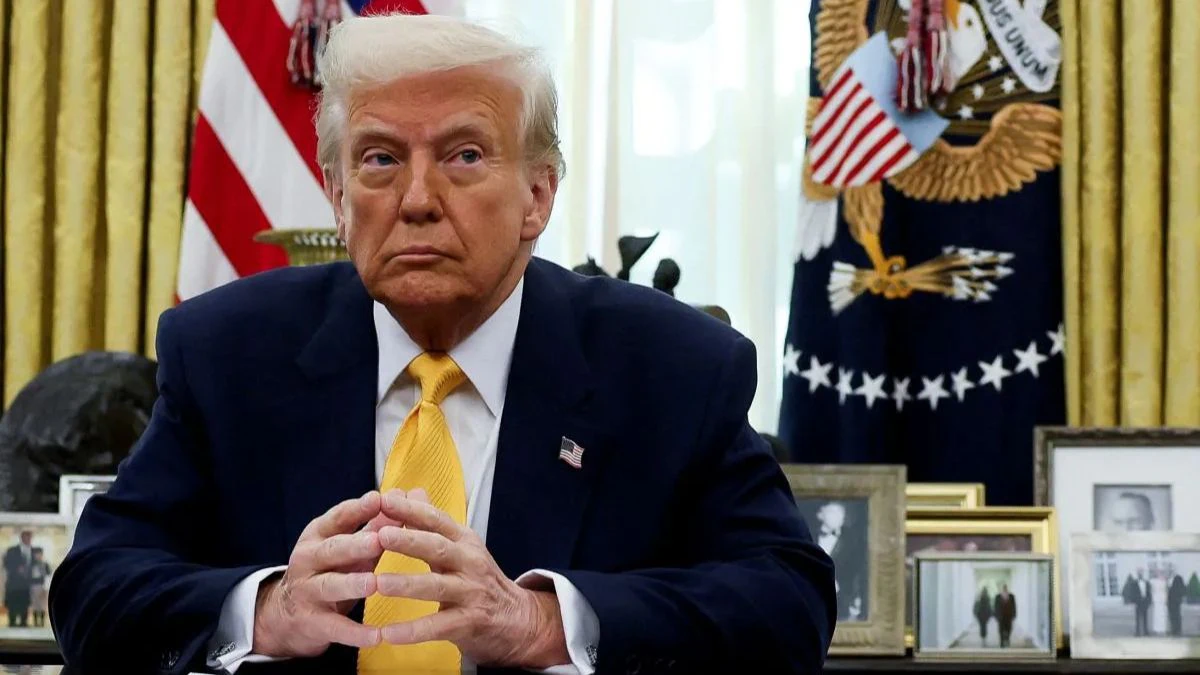
US President Donald Trump announced plans to establish a global 10% tariff after the Supreme Court invalidated significant aspects of his previous tariff measures. In remarks following the court’s decision, Trump indicated that the administration would invoke Section 122 of the Trade Act of 1974 to implement this new tariff across various countries. He emphasized that this new order would be an addition to current tariffs and that the administration would also pursue investigations under Section 301 to address perceived unfair trade practices which may lead to further tariff adjustments. The President affirmed that all existing national security tariffs imposed under Section 232, as well as the tariffs under Section 301, would remain unaffected by the Supreme Court ruling and would stay fully enforced.

The Supreme Court’s decision has introduced uncertainty into existing international trade agreements with nations such as China, Canada, and the United Kingdom. This uncertainty may prompt these countries to reconsider their positions in light of the ruling, potentially leading to renegotiations or challenges to ongoing agreements. The outcome could disrupt trade negotiations and influence diplomatic relations, as these nations assess their strategies in terms of their interactions with the United States.

What is Section 122?

Section 122 of the Trade Act of 1974 empowers the President to impose tariffs of up to 15% in response to significant balance-of-payments deficits, an issue often associated with trade deficits. However, any tariffs enacted under this authority have a maximum duration of 150 days unless Congress votes for an extension. In the immediate sense, the new 10% global tariff proposed by Trump does not diverge considerably from previous tariffs he established, including a similar global tariff and a 15% levy negotiated with other nations over the past year.

What is Section 232?

Section 232 originates from the Trade Expansion Act of 1962, allowing for the imposition of tariffs or quotas on imports deemed a threat to national security. In 2018, Trump invoked this section to levy 25% tariffs on steel and 10% tariffs on aluminum, impacting countries such as Canada, Mexico, and members of the European Union among others. These tariffs are distinct from emergency powers and remain valid following the Supreme Court’s ruling.

What is Section 301?

Section 301 is a provision from the Trade Act of 1974 that enables the imposition of tariffs against foreign trade practices deemed unfair. These practices can include intellectual property theft, enforced technology transfers, or discriminatory actions against American businesses. Under this section, Trump initiated tariffs against China that reached up to 25% on several hundred billion dollars’ worth of goods. The intent behind these tariffs was to address and penalize anticompetitive practices in international trade.

Long or Short, get news the way you like. No ads. No redirections. Download Newspin and Stay Alert, The CSR Journal Mobile app, for fast, crisp, clean updates!

App Store –  https://apps.apple.com/in/app/newspin/id6746449540 

Google Play Store – https://play.google.com/store/apps/details?id=com.inventifweb.newspin&pcampaignid=web_share

Latest News

Popular Videos
