


Train Ticket Booking: How to Get a Lower Berth on Indian Railways and Who Gets Priority
The CSR Journal Magazine

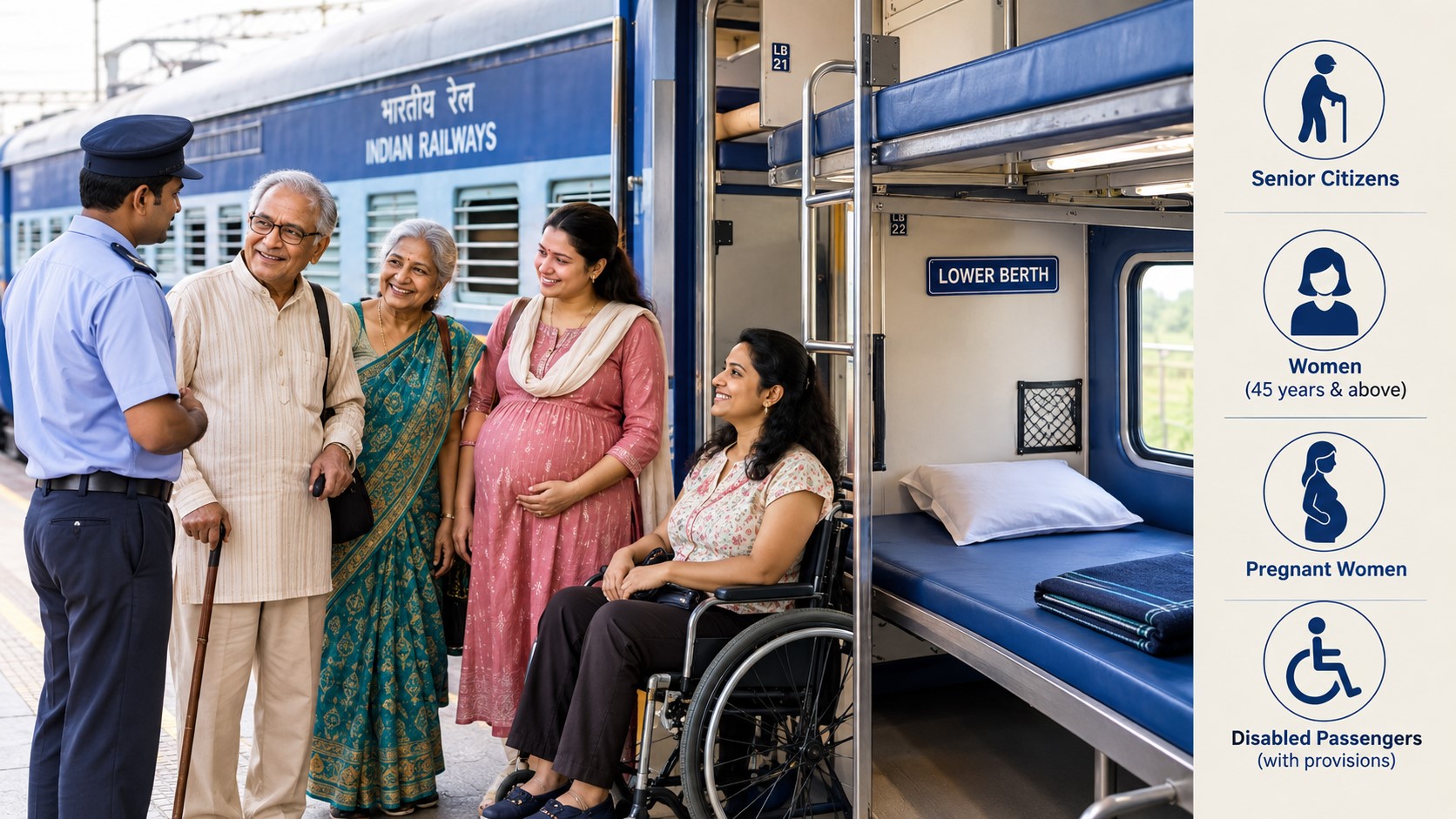
The Indian Railways has established specific rules regarding the allocation of lower berths to facilitate long-distance travel for individuals who might struggle with accessing upper or middle berths. Priority is given to senior citizens, women aged 45 years and above, and pregnant women, although these allocations are subject to availability. Senior citizens can receive a lower berth without expressly requesting one at the time of booking, provided there is a suitable berth available. However, it is important to note that not every eligible passenger is assured a lower berth for every journey.

Allocation Quota for Lower Berths

A designated number of lower berths is reserved for senior citizens, women over 45, and pregnant women within each coach. According to railway sources, a typical sleeper coach contains approximately six to seven lower berths. In contrast, the three-tier air-conditioned coaches typically have four to five, while the two-tier air-conditioned coaches accommodate three to four lower berths designated for these categories. The exact availability can vary based on the specific train and its configuration.

Pregnant women are also provided with specific provisions regarding lower berth allocations, as the challenges of travelling during pregnancy make climbing to higher berths difficult. Their needs are accommodated within the same reservation arrangement. Additionally, disabled passengers have a different reservation protocol in place. For mail and express trains, there are designated seats or berths reserved for eligible disabled passengers and their accompanying individuals, including lower and middle berths in sleeper and three-tier air-conditioned coaches.

Booking Preferences for Lower Berths

Passengers are given the option to select a ‘Lower Berth Preference’ when purchasing their tickets. However, this preference does not guarantee a lower berth allocation. Given the high demand for lower berths, the reservation system allocates available ones based on category, availability, and established railway regulations. Consequently, even a young passenger requesting a lower berth may end up being assigned a middle or upper berth.

Another opportunity for berth reassignment arises after the journey has commenced. Should a lower berth become available, ticket-checking personnel onboard can allocate it to a senior citizen, disabled passenger, or pregnant woman if they have been assigned a middle or upper berth, following the applicable rules. Therefore, those seeking to understand the criteria for receiving a lower berth on Indian Railways will find that priority is given based on specific needs rather than the order of request.

Understanding the reservation system is crucial for passengers wishing to maximise their chances of securing a lower berth. While preferences may be indicated at the time of booking, the actual allocations remain dependent on passenger category and berth availability. The focus of these regulations is to assist those who require additional support during their travels.

Long or Short, get news the way you like. No ads. No redirections. Download Newspin and Stay Alert, The CSR Journal Mobile app, for fast, crisp, clean updates!

App Store –  https://apps.apple.com/in/app/newspin/id6746449540 

Google Play Store – https://play.google.com/store/apps/details?id=com.inventifweb.newspin&pcampaignid=web_share

Latest News

Popular Videos
