


Top Student Cities in India for 2026: Evaluating Living Costs and Budgeting
The CSR Journal Magazine

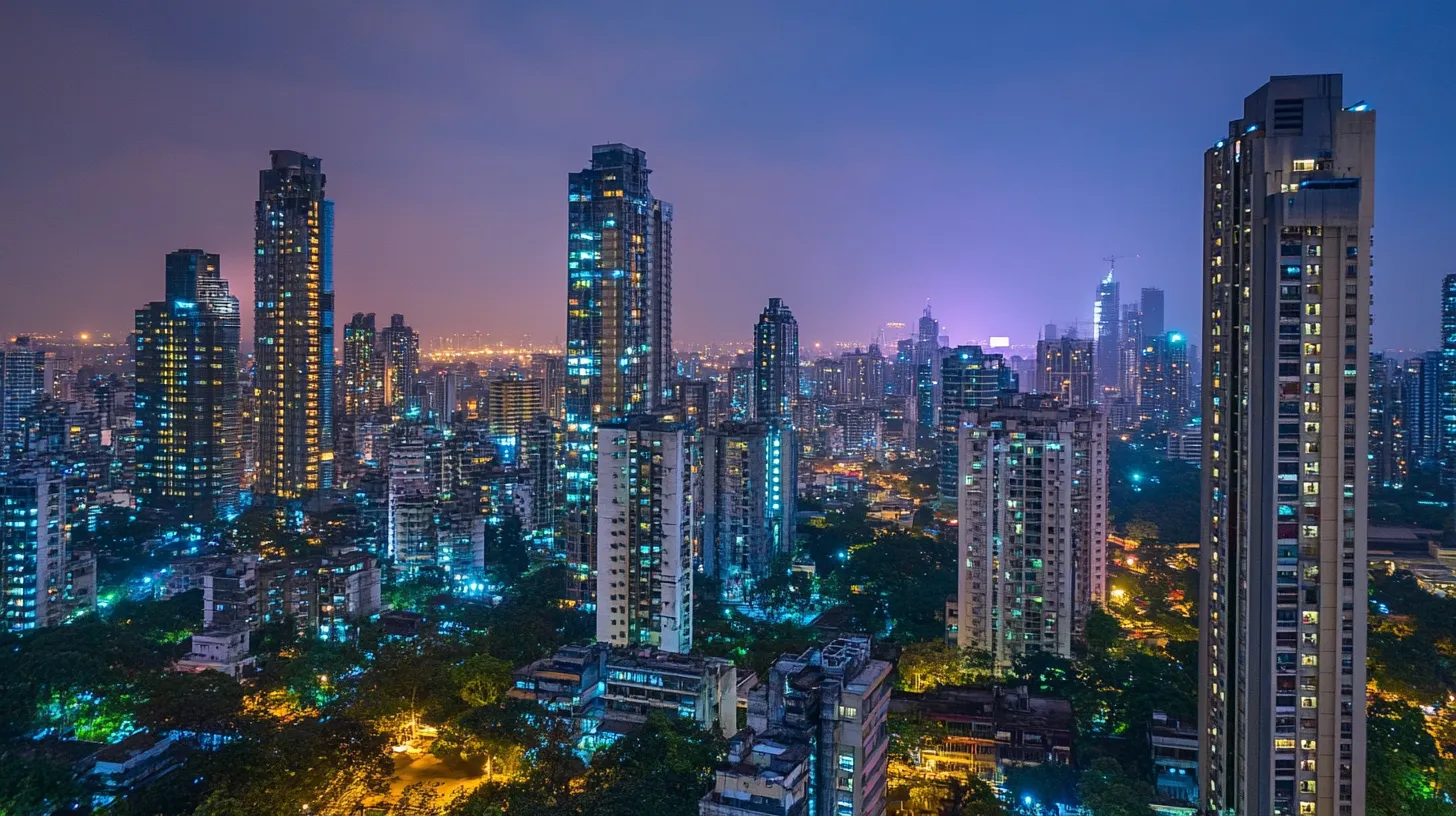
Choosing the right city plays an essential role for students, impacting their education, daily routines, expenses, and future career opportunities. The latest QS Best Student Cities ranking identifies Mumbai as the top student city in India, followed closely by Delhi, Bengaluru, and Chennai. These rankings are derived from a comprehensive analysis of various factors that influence student life and can guide students in making informed choices.

Key Factors Influencing Student-Friendly Cities

The QS rankings assess five core criteria to determine the suitability of a city for students. Firstly, university rankings evaluate the quality of educational institutions; a city with a concentration of top-tier universities typically garners a higher score. Mumbai and Delhi excel in this category, hosting several renowned colleges.

The second criterion is student mix, which considers both the number of students and the presence of international enrollees. A diverse student body often translates to enhanced exposure, improved facilities, and broader networking opportunities.

Desirability is another vital aspect evaluated, encompassing safety, quality of life, pollution levels, and general living conditions. Students tend to prefer urban areas that are safe and well-connected while offering a high standard of living.

Employer activity measures the availability of job opportunities in a city. Cities that host a significant number of businesses and recruitment activities provide better prospects for students post-graduation. Lastly, affordability emerges as a crucial factor, which takes into account both tuition fees and living expenses, including rent, food, and transportation.

Overview of Student Cities in India

The top student cities in India according to the QS rankings are Mumbai, Delhi, Bengaluru, and Chennai. While these cities offer considerable academic and professional opportunities, they are generally associated with elevated living costs. However, the rankings specify that Delhi stands out as the most affordable city for both domestic and international students.

Cost of Living for Students Across Major Indian Cities

Living expenses can vary significantly by location and personal lifestyle. On average, students in India spend between 14,000 and 30,000 INR monthly, although this figure can escalate in metropolitan areas. A breakdown of average expenses is as follows:

In Mumbai, shared housing costs range from 18,000 to 40,000 INR, with food expenses between 7,000 and 15,000 INR. Transportation costs vary from 1,500 to 4,000 INR, while utilities may range from 2,500 to 6,000 INR, culminating in a total monthly expenditure of 29,000 to 65,000 INR.

In the Delhi NCR region, shared accommodation prices are between 15,000 and 35,000 INR, with food costs ranging from 6,000 to 13,000 INR, transportation at 1,200 to 3,500 INR, and utilities between 2,000 and 5,000 INR. This results in a total monthly budget of 24,200 to 56,500 INR.

Bengaluru sees housing costs of 14,000 to 32,000 INR, food costs between 6,000 and 12,000 INR, transport expenses from 1,000 to 3,000 INR, and utilities between 1,800 and 4,500 INR, leading to a total of 22,800 to 51,500 INR monthly. Chennai presents a more budget-friendly option, with monthly housing costs from 10,000 to 25,000 INR, food expenses from 5,000 to 10,000 INR, and a total expenditure range of 17,300 to 41,500 INR.

Understanding Student Expenditure Patterns

Students often overlook the extent of their financial responsibilities. The primary categories include accommodation—typically the largest expense, where hostels are generally more economical than private rooms. Food costs can be managed by cooking at home as opposed to dining out. Transportation expenses depend on distance and urban scale, while utilities cover internet, phone, and electricity costs.

Additionally, students should account for study materials, such as books and online resources, as well as personal expenses for clothing and entertainment.

Comparing Metro Cities with Smaller Alternatives

Major urban centers like Mumbai and Delhi provide superior educational institutions and employment opportunities but at a higher cost. In contrast, smaller cities like Pune, Jaipur, and Coimbatore offer a more economical lifestyle with lower housing and daily expenses. However, students may find fewer job exposures in these regions compared to metropolitan areas.

Factors for Students to Consider

Students are advised to look beyond rankings when making decisions about their education. Key considerations should include the quality of courses and colleges, overall living costs, job prospects post-graduation, safety, lifestyle, and distance from home. India’s educational landscape offers diverse options, with cities like Mumbai, Delhi, Bengaluru, and Chennai leading in rankings due to their combination of academic rigor, employment opportunities, and exposure, albeit at a relatively higher cost.

Long or Short, get news the way you like. No ads. No redirections. Download Newspin and Stay Alert, The CSR Journal Mobile app, for fast, crisp, clean updates!

App Store –  https://apps.apple.com/in/app/newspin/id6746449540 

Google Play Store – https://play.google.com/store/apps/details?id=com.inventifweb.newspin&pcampaignid=web_share

Latest News

Popular Videos
