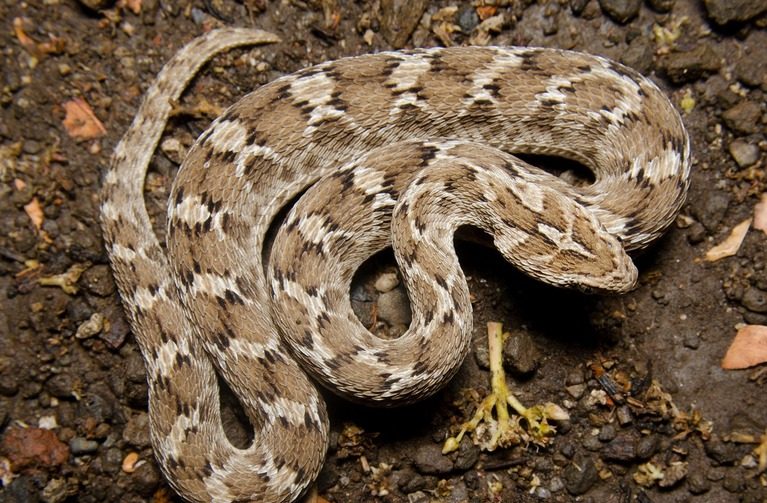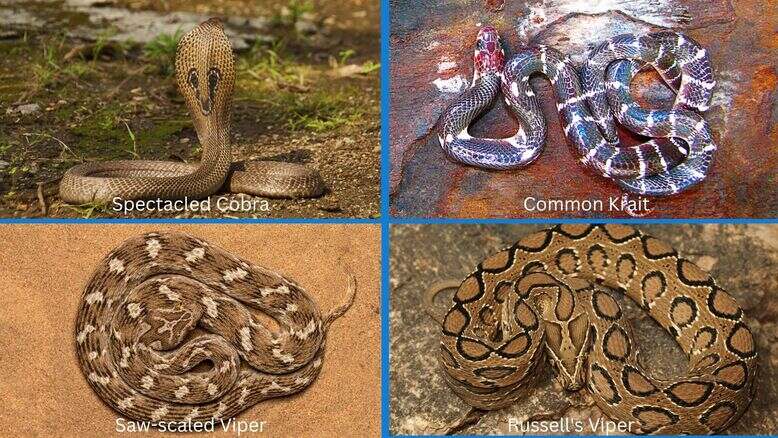

India is home to some of the deadliest snakes in the world, collectively known as the “Big Four.” These species, the Russell’s viper (Daboia russelii), common krait (Bungarus caeruleus), Indian cobra (Naja naja), and saw-scaled viper (Echis carinatus), are responsible for the majority of venomous snakebites in the country. Each of these snakes delivers venom capable of causing severe systemic effects, and they thrive in close proximity to human settlements, especially in rural agricultural areas.
Russell’s viper is notorious for causing rapid blood clotting disorders, internal bleeding, kidney damage, and organ failure. The common krait, a nocturnal snake, delivers neurotoxic venom that can paralyse muscles, including the lungs, often leaving victims unable to breathe. The Indian cobra, recognized for its hooded appearance, injects venom that affects both the nervous system and tissues, leading to potentially fatal complications. The saw-scaled viper, though small, is aggressive and fast-striking; its venom interferes with blood clotting, causing severe hemorrhaging.
Why Fatalities Are So High
India reports between 46,000 and 60,000 snakebite deaths annually, the highest in the world. Experts cite multiple reasons for this alarming statistic:
Population Density and Habitat Overlap: India’s densely populated regions overlap with snake habitats. Villages, farmland, and even suburban areas often bring humans into direct contact with the Big Four.
Limited Access to Healthcare: Rural regions, where most bites occur, often lack hospitals with trained staff and adequate antivenom stock. Delays in reaching treatment centers significantly worsen outcomes.
Cultural Beliefs and Misconceptions: Snakes hold religious significance in India. Many communities first rely on traditional remedies or faith-based practices instead of seeking medical help, delaying life-saving interventions.
Environmental Factors: Changing climates and expanding agriculture have altered snake distributions, increasing encounters with humans in previously low-risk areas.
Russell’s Viper (Daboia russelii)
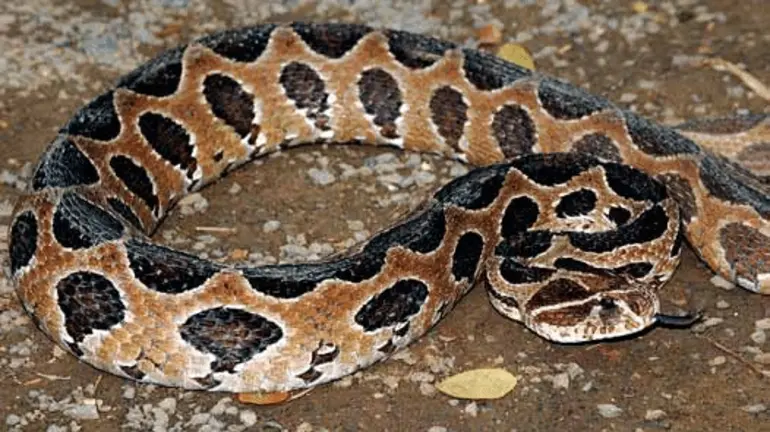
The Russell’s viper is a robust, medium-to-large snake with a distinctive chain-like pattern on its back. Commonly found in fields, grasslands, and near human settlements, it is responsible for the highest number of snakebite deaths in India. Its venom causes hemotoxic effects including abnormal clotting, internal bleeding, and kidney failure. Bites often occur during the day when people are working in fields, making awareness and prompt treatment critical.
Common Krait (Bungarus caeruleus)
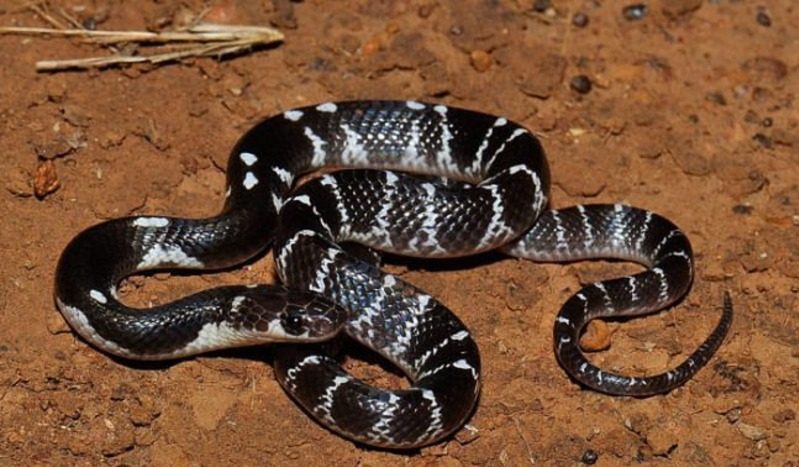
The common krait is a slender, nocturnal snake with glossy black or bluish-black skin and faint white bands along its body. Its neurotoxic venom can cause paralysis, respiratory failure, and even death if not treated immediately. Kraits are often found inside homes or near human habitation, particularly at night, which contributes to the high mortality rate as bites are painless and may go unnoticed until symptoms appear.
Indian Cobra (Naja naja)
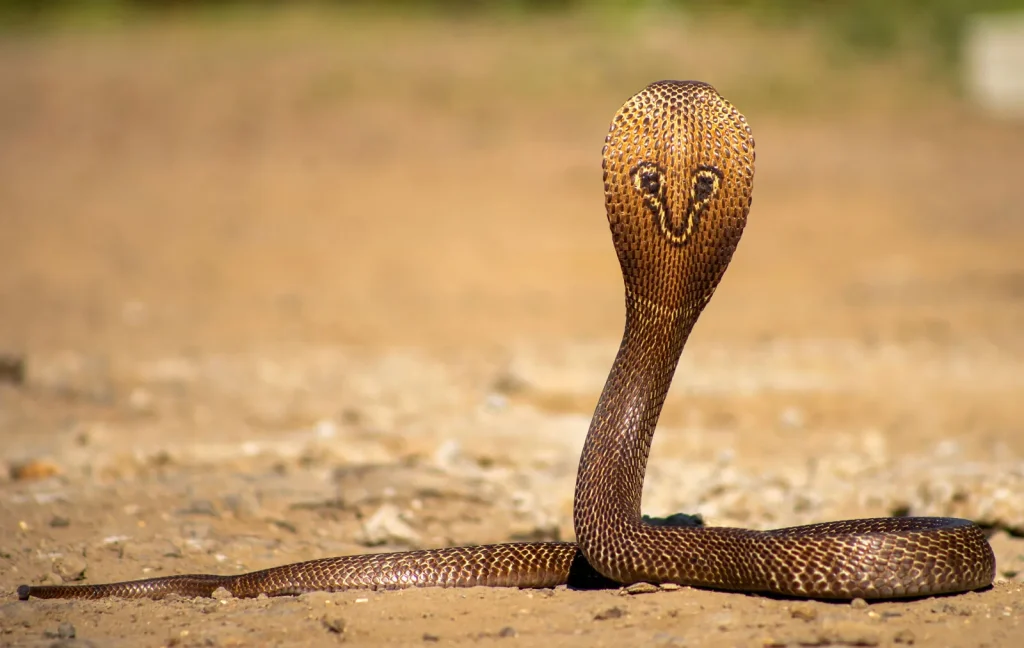
The Indian cobra, or spectacled cobra, is instantly recognizable by the hood it spreads when threatened, often with a spectacle-like pattern. It inhabits forests, agricultural lands, and urban areas, frequently entering villages in search of prey. Its venom contains neurotoxic and cytotoxic components, leading to nerve damage, tissue necrosis, and potentially fatal outcomes without prompt antivenom treatment. Cobras are responsible for a significant portion of venomous bites in India.
Saw-Scaled Viper (Echis carinatus)