


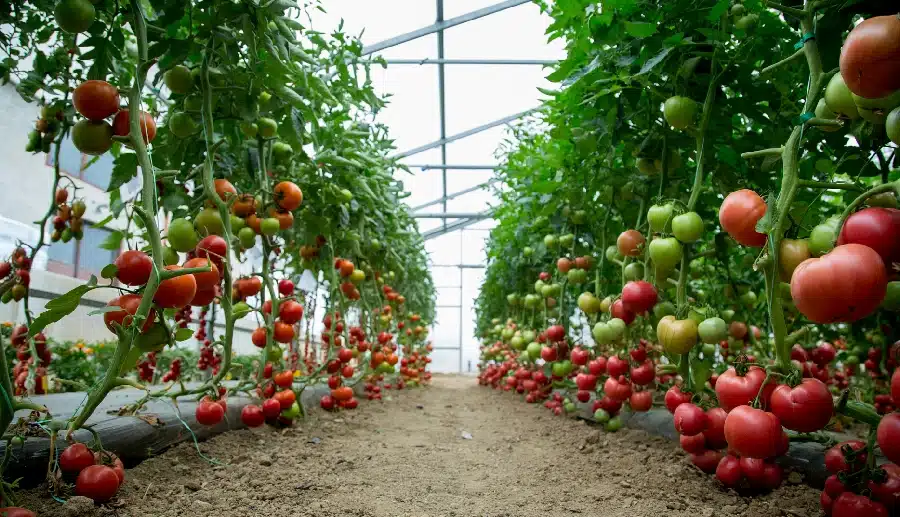

Blight Disease Concerns Farmers
Tomato cultivation is under threat as various diseases rapidly spread due to changing weather patterns, leading to significant concerns among farmers. The month of February typically sees an increased risk of blight disease, which adversely affects tomato crops. This disease results in the wilting of plants, directly impacting yields and ultimately causing financial losses for growers.
Impact of Weather on Crop Health
The rising temperatures and irregular rainfall patterns associated with shifting climates have created conditions favorable for the proliferation of pest and fungal diseases in tomato plants. Farmers are particularly alarmed as the incidence of blight can escalate quickly, making early interventions crucial for protecting their crops. The economic implications are significant, as reduced yields could severely affect farmers’ livelihoods.
Preventive Measures Recommended
Experts recommend timely spraying of specific solutions to mitigate the effects of the blight disease. Utilizing appropriate fungicides can be particularly effective in controlling the disease’s spread and safeguarding the health of tomato plants. Farmers are urged to remain vigilant and take preventive measures, as a proactive approach to crop management can significantly reduce the risk of infection.
Importance of Awareness and Education
Knowledge about disease susceptibility and the appropriate management practices is essential for farmers, especially during high-risk periods. Agricultural extension services can play a vital role in educating farmers about the signs of blight and the best practices for disease control. This can empower growers to protect their investments and ensure a sustainable yield.
Collaboration with Agricultural Experts
Farmers are encouraged to collaborate with local agricultural experts to adapt their cultivation practices in response to environmental changes. Working closely with specialists can help farmers identify effective strategies to minimize the impact of pests and diseases on their crops. Enhanced support and advice can lead to greater resilience in the face of ongoing climate challenges.
Future Outlook for Tomato Farmers
As climate variability continues to pose challenges, the future of tomato farming depends on adaptive strategies and innovation. Integrating modern techniques with traditional knowledge may provide solutions that enhance crop resilience while maintaining productivity. The interaction between climate conditions and disease outbreak will require constant monitoring and proactive measures from farmers throughout the growing season.
Conclusion
The current situation underscores the urgent need for farmers to stay informed about crop health and disease prevention methods. With appropriate measures and collaboration, it is possible to mitigate the risks associated with illnesses such as blight, safeguarding not only the current crop but also the economic well-being of farming communities.