


The Million-Year Accident: An Overview of the Strait of Hormuz
The CSR Journal Magazine

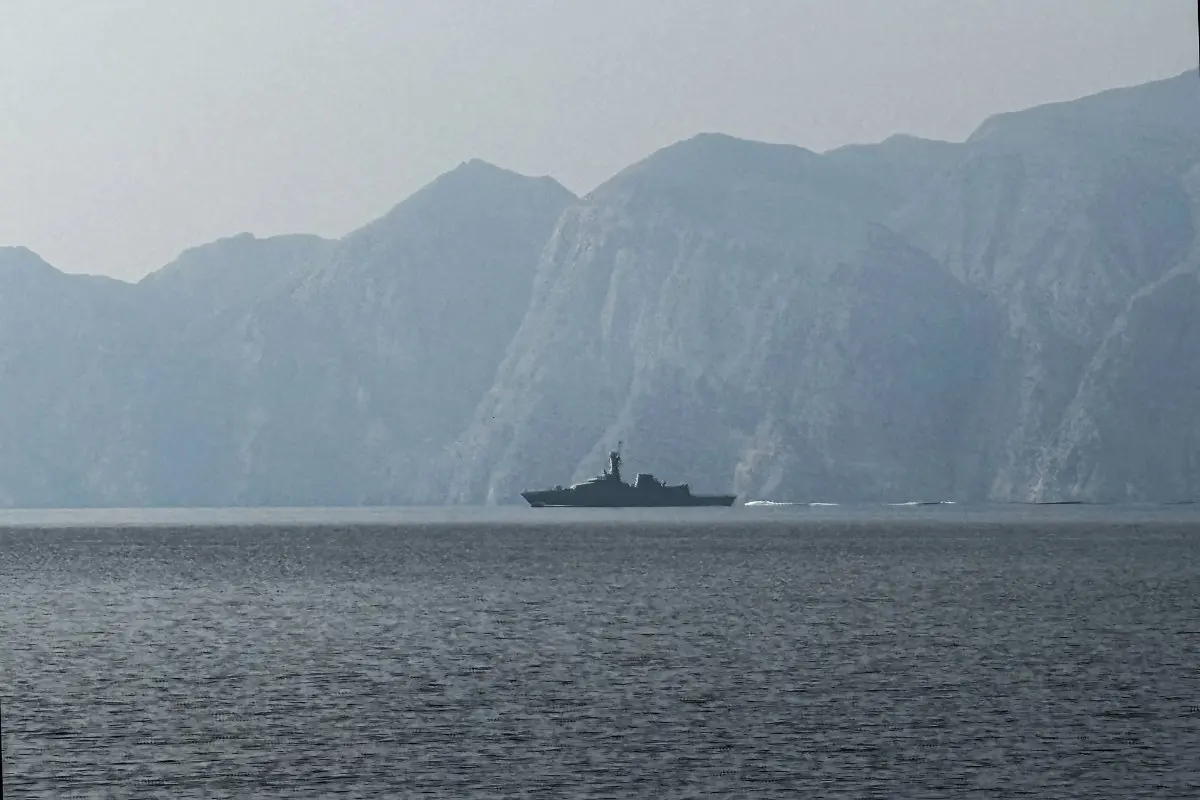
The Strait of Hormuz is a pivotal maritime passage, widely recognized as a crucial chokepoint in global energy transportation. Spanning approximately thirty miles, it serves as a conduit for about twenty percent of the world’s oil, making it a focal point in geopolitical tensions. Its strategic importance has intensified over recent years, especially in the context of U.S.-Iran relations, where Iran has occasionally threatened to restrict oil flow to exert political leverage. The geological history behind this strait is intricate and dates back millions of years, illuminating why this small waterway holds such immense significance today.

Geological Formation and Historical Context

Approximately six hundred million years ago, the region now known as the Persian Gulf did not exist. The landmass that would become the Arabian Peninsula formed part of the ancient supercontinent Gondwana, separated from Eurasia by the Tethys Ocean. Over epochs, the remnants of microscopic marine life in this ocean underwent geological transformations under immense pressure, eventually becoming oil. About 180 million years ago, tectonic movements led to the separation of the Indian and Arabian plates, which intensified the formation of the Zagros Mountains. As these mountains rose, they compressed the basin that would evolve into the Persian Gulf, and beneath its seabed lay vast reserves of oil, creating a critical junction for energy trade.

The Formation of the Hormuz

The geological dynamics of the Zagros Mountains and the Persian Gulf set the stage for the creation of the Strait of Hormuz. The Gulf is relatively shallow, reaching depths of only 110 meters and a maximum width of 340 kilometers. At its southeastern edge, the landmasses of the Arabian Peninsula and the Iranian coast come within thirty miles of one another, forming this vital strait. This physical bottleneck translates into significant implications for oil shipping and global commerce, resulting in a complicated relationship between different nations that rely on the energy resources passing through this passage.

The Historical Role of the Strait

Historically, the Strait of Hormuz has served as a major commercial conduit since around the fourth millennium BC. Beginning with the Achaemenid Empire, subsequent dynasties, including the Sassanids, recognized the strait’s importance and developed trade routes that connected to the wider world. Following the Islamic conquests in the 640s, the newly established Arab leadership assimilated the trading networks that had flourished under the Sassanids, amplifying this strategic waterway’s significance.

The Evolution of Trade and Control

The city of Hormuz, whose name may have originated from the Zoroastrian deity Ahura Mazda, was established as a trading hub along the strait’s coastline. Throughout history, Hormuz witnessed numerous power shifts, including its capture by Portuguese forces in the early sixteenth century. By the time British influence expanded across the Gulf in the nineteenth century, local rulers had aligned their interests with British power through treaties. The eventual exit of British forces left control of the strait uncertain, eventually leading to Iranian dominance following the 1979 revolution.

Recent Developments and Implications

Over the past several decades, Iran has leveraged its control over the Strait of Hormuz as a strategic asset. Recent military actions, including attacks involving the U.S. and Israel, escalated tensions, leading Iran to temporarily close the strait. Such actions have profound effects not only on regional stability but also on global energy markets, triggering significant fluctuations in oil prices and impacting nations far beyond the immediate vicinity of the Gulf.

The Global Ripple Effect

The repercussions of conflicts in the Strait of Hormuz are felt across various countries, particularly those dependent on the energy supplies transiting through this waterway. Nations such as India, Japan, and South Korea find themselves particularly vulnerable, given their geographical distance from this critical chokepoint. The intertwined fates of energy security and geopolitical maneuvering underscore the enduring importance of the Strait of Hormuz in contemporary global affairs. As history unfolds, the implications of control over this crucial route continue to evolve, anchoring it at the center of international dialogue on energy security and foreign policy.

Long or Short, get news the way you like. No ads. No redirections. Download Newspin and Stay Alert, The CSR Journal Mobile app, for fast, crisp, clean updates!

App Store –  https://apps.apple.com/in/app/newspin/id6746449540 

Google Play Store – https://play.google.com/store/apps/details?id=com.inventifweb.newspin&pcampaignid=web_share

Latest News

Popular Videos
