


Taiwan Reports 28 People’s Liberation Army Sorties, 21 Cross Median Line
The CSR Journal Magazine

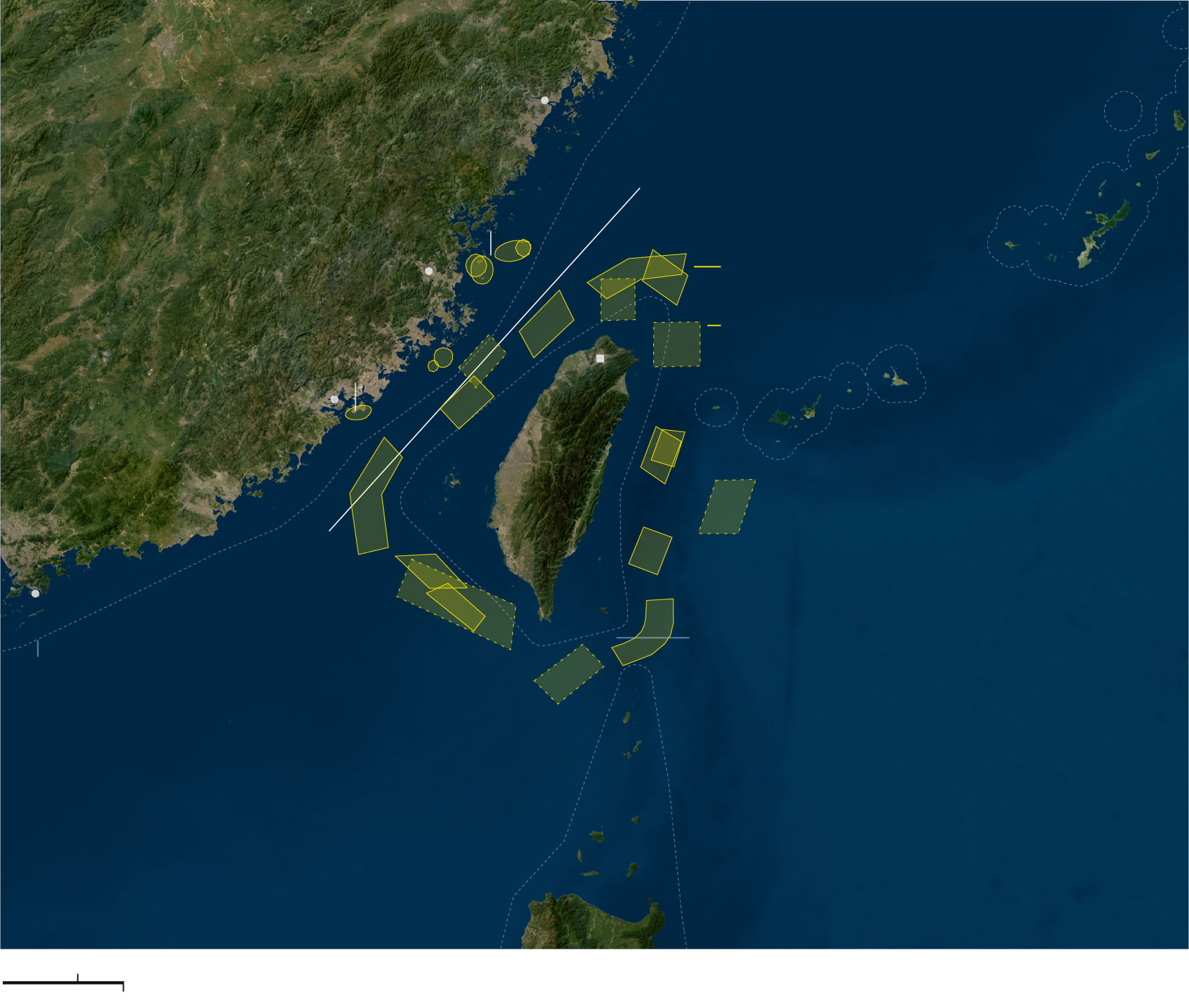
On March 17, Taiwan’s Ministry of National Defense reported the detection of 28 sorties of Chinese military aircraft early in the morning. The monitoring conducted at 08:01 am local time revealed that 21 of these sorties crossed the median line of the Taiwan Strait, entering various sectors of Taiwan’s Air Defense Identification Zone (ADIZ). The aircraft types identified included the J-10, J-16, and KJ-500, among others. The Ministry stated that the People’s Liberation Army (PLA) aircraft were engaged in joint air-sea training operations alongside naval vessels from the People’s Liberation Army Navy (PLAN). The Republic of China (ROC) Armed Forces confirmed that they were actively monitoring the situation and had taken appropriate measures in response.

Earlier Chinese Military Presence

Earlier in the day, additional military activities were noted with the identification of two Chinese military aircraft, eight naval vessels, and one official ship operating in proximity to Taiwan. By 6 a.m. (UTC+8), the ROC reported that both detected aircraft had entered Taiwan’s southwestern ADIZ. In their communication, the Ministry indicated that the armed forces were vigilant and had responded to these developments, reinforcing their commitment to monitoring air and naval movements around the island.

Context of Taiwan-China Relations

The complexities surrounding China’s claim over Taiwan are deeply rooted in historical, political, and legal nuances. Beijing maintains that Taiwan is an integral part of its territory, a position solidified through national policy, domestic laws, and various international declarations. Conversely, Taiwan asserts its distinct identity through a functioning government, robust military, and independent economy, which contributes to ongoing international dialogue concerning sovereignty and self-determination.

Historical Background of Taiwan’s Status

The roots of China’s claim to Taiwan trace back to the Qing Dynasty’s annexation of the island in 1683 after defeating Ming loyalist Koxinga. Despite this, Taiwan remained largely peripheral under Qing control until significant changes occurred in 1895 when the Qing ceded the island to Japan following the First Sino-Japanese War. This marked an era of Japanese colonial rule lasting 50 years. After Japan’s surrender in World War II, Taiwan was returned to Chinese control; however, this transfer of sovereignty lacked formalization, leading to ambiguity regarding territorial claims.

Political Developments Post-Civil War

The situation intensified in 1949 with the conclusion of the Chinese Civil War, which resulted in the establishment of the People’s Republic of China (PRC) on the mainland and the retreat of the Republic of China (ROC) to Taiwan. The ROC continues to assert its sovereignty over all of China, resulting in competing claims of governance—PRC over mainland China and ROC over Taiwan. While Taiwan functions as a de facto independent state, it refrains from declaring formal independence to avert potential military conflict with the PRC, illustrating the ongoing tension in cross-strait relations.

Long or Short, get news the way you like. No ads. No redirections. Download Newspin and Stay Alert, The CSR Journal Mobile app, for fast, crisp, clean updates!

App Store –  https://apps.apple.com/in/app/newspin/id6746449540 

Google Play Store – https://play.google.com/store/apps/details?id=com.inventifweb.newspin&pcampaignid=web_share

Latest News

Popular Videos
