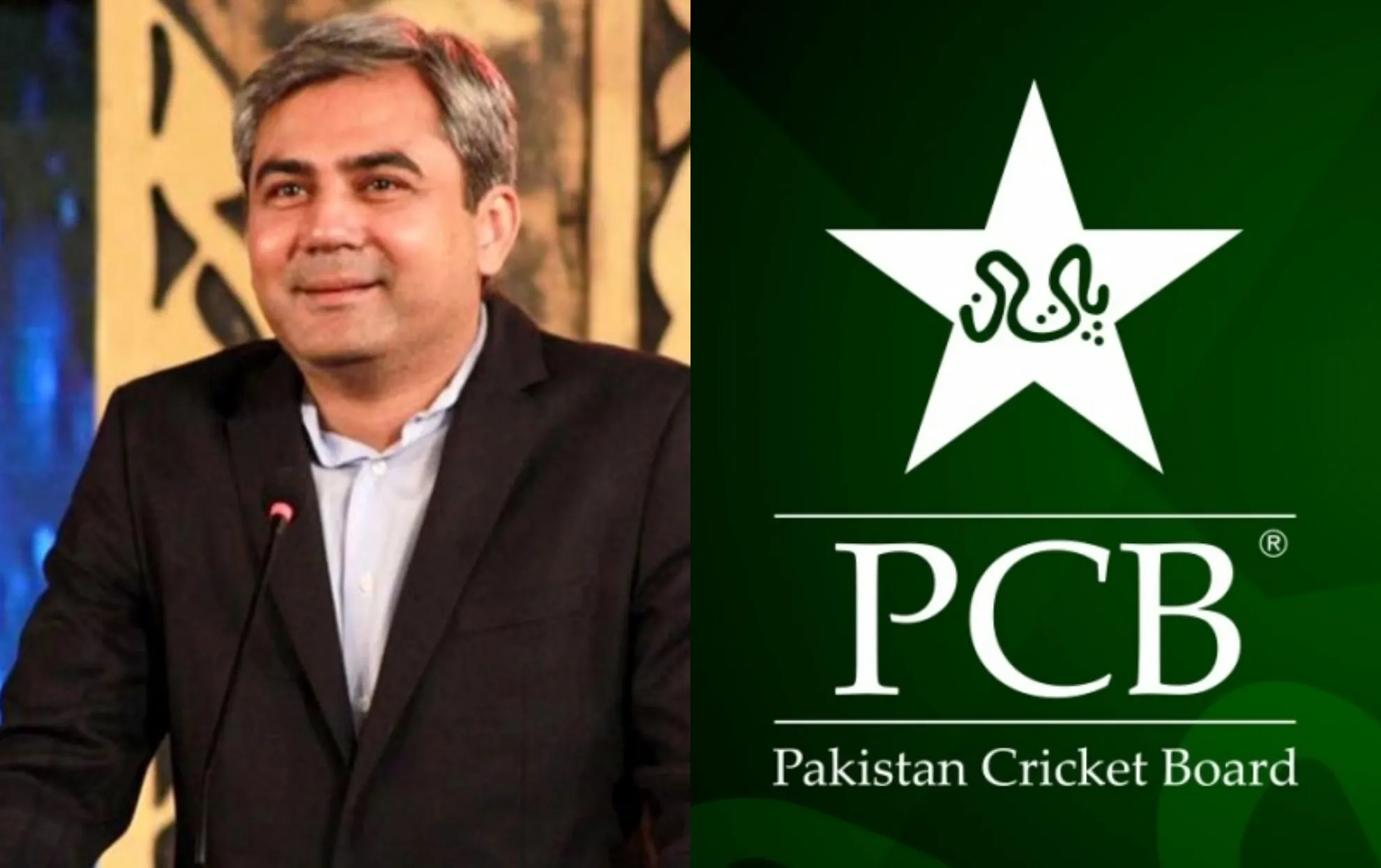
The Pakistan Cricket Board (PCB) has made a formal request for a tri-series with India and Bangladesh, highlighting the renewed need for bilateral cricket engagement. This appeal comes in the context of ongoing discussions surrounding the upcoming T20 World Cup.
In recent statements, PCB officials have expressed their hope for a revival of cricket ties between India and Pakistan. They argue that regular matches would not only enhance the competitiveness of the teams but also restore goodwill between the two nations.
However, the International Cricket Council (ICC) has addressed this matter, clarifying that Pakistan cannot unilaterally demand such arrangements. Instead, the ICC emphasized that Pakistan is bound by the Members Participation Agreement (MPA) established in December 2024. This agreement outlines the terms and conditions for members’ participation in international competitions.
The MPA governs how cricketing nations engage with one another and the scheduling of events. The ICC reiterated that all member countries, including Pakistan, must adhere to these terms in their bilateral dealings, which complicates the PCB’s push for a trilateral series at this time.
Critics of the PCB’s request have pointed out the complexities involved in resuming bilateral ties between India and Pakistan, largely due to political tensions and previous incidents that have strained relations. While the PCB’s proposal has garnered some support from local fans hoping for the revival of cricketing ties, the ICC’s stance poses a significant hurdle.
The T20 World Cup, scheduled for next year, remains one of the most anticipated events on the cricket calendar, drawing significant attention from fans and stakeholders alike. Pakistan’s plea for a tri-series may reflect the board’s desire to strengthen the team’s performance ahead of this critical competition.
Moreover, cricket analysts suggest that cooperative events like tri-series could pave the way for more extensive bilateral arrangements in the future. However, achieving this would require careful negotiation and a commitment from all involved parties to prioritize sports over political issues.
As discussions progress, it will be interesting to observe how the ICC navigates the obligations of its member countries while balancing the desires of boards like the PCB. The landscape of international cricket continues to evolve, influenced by shifting diplomatic relations among member nations.
The PCB is likely to continue advocating for more cricketing opportunities, hoping that mutual interests in the sport will ultimately prevail. The coming months will be crucial for the potential resolution of these complexities, as the cricketing world watches closely in anticipation of developments. This situation emphasizes the interplay between sport and politics, particularly in regions with historically strained relations.