


app-store-logo
play-store-logo
March 3, 2026

Surging Gold & Silver Prices Push Up Household Costs Across India
The CSR Journal Magazine

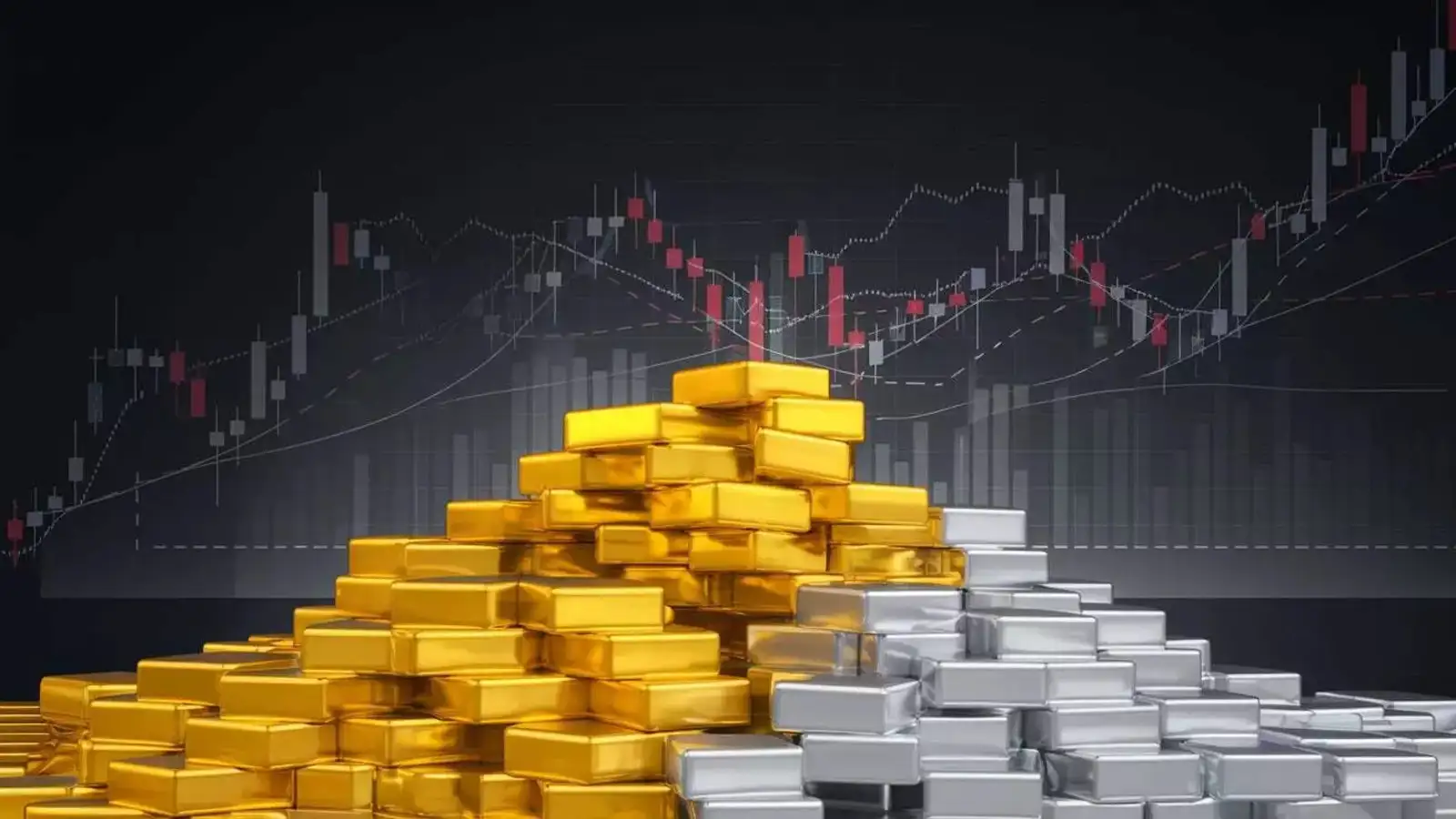
Increasing gold and silver prices are influencing the financial landscape for many individuals, even for those who do not actively purchase these metals. The effects of rising commodity prices extend beyond mere jewelry purchases, affecting essential expenditures and overall economic stability.

Factors Contributing to Price Increases

Several interconnected factors contribute to the escalating prices of gold and silver. A significant driver is the rising import bill associated with these precious metals. As global demand fluctuates, import costs also change, often leading to price hikes for consumers. Additionally, currency depreciation adds another layer of complexity, as a weaker rupee makes imported commodities more expensive.

Impact on Inflation and Household Budgets

The relationship between precious metal prices and inflation is critical. Higher inflation rates typically arise when commodity prices surge, impacting the purchasing power of the average citizen. Households may find their budgets stretched thin as they navigate increased prices for goods and services, which often follow the trajectory of precious metal prices.

Energy Costs and Their Connection to Commodity Prices

Electricity expenses also play a role in the rising costs of gold and silver. The mining and refining processes for these metals are energy-intensive, meaning that fluctuations in energy costs directly impact the final prices of gold and silver. As energy prices rise, they contribute to the overall expenses that consumers face, amplifying the financial burden on households.

Implications for EMIs and Consumer Loans

An often-overlooked aspect of increasing commodity prices is their impact on Equated Monthly Installments (EMIs) for loans. As inflation rises and economic conditions tighten, banks may adjust lending rates to account for higher risks. This shift could lead to increased EMI costs for borrowers, creating further financial strain as they manage their monthly budget.

An Overview of the Commodity Market Dynamics

Understanding the dynamics of the commodity market is essential for grasping how gold and silver prices influence the wider economy. Various economic indicators, including interest rates and international trade relations, intertwine with the pricing mechanisms of these precious metals. Changes in global markets can lead to rapid adjustments in local pricing, underscoring the need for consumers to stay informed.

Broader Economic Consequences

The ramifications of rising gold and silver prices are not limited to individual households. They extend to the entire economy, affecting everything from investment decisions to consumer spending patterns. As these commodities gain value, investment in related sectors may see a boost, influencing job markets and economic growth trajectories.

Conclusion on the Commodity Market’s Reach

The reach of the commodity market is vast, affecting daily life in numerous ways. Observing trends in gold and silver prices can provide insights into broader economic conditions, underscoring the importance of these metals beyond mere adornment. While some may not purchase gold or silver directly, the rippling effects of their price movements can impact financial planning, household budgets, and overall economic health.

Long or Short, get news the way you like. No ads. No redirections. Download Newspin and Stay Alert, The CSR Journal Mobile app, for fast, crisp, clean updates!

App Store –  https://apps.apple.com/in/app/newspin/id6746449540 

Google Play Store – https://play.google.com/store/apps/details?id=com.inventifweb.newspin&pcampaignid=web_share

Latest News

Popular Videos
