


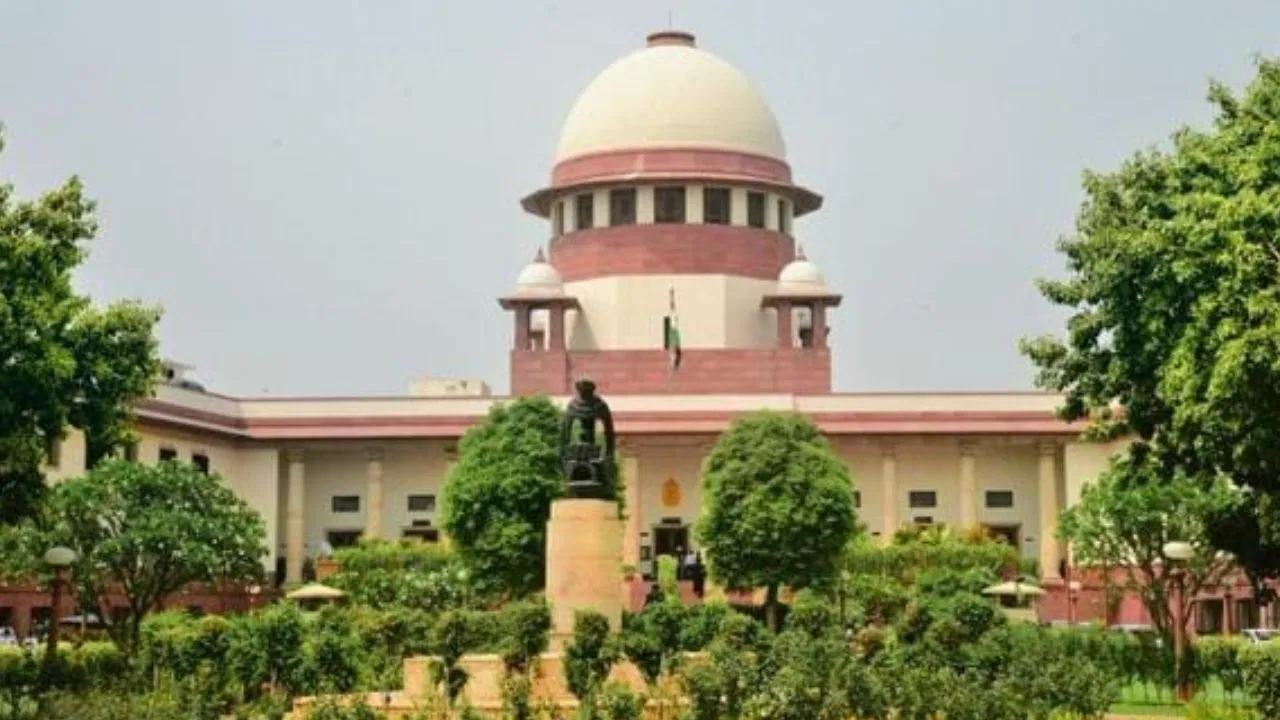

The Supreme Court of India has raised significant concerns regarding the impact of political parties distributing “freebies” on public finances. During a recent hearing, the Court emphasized the necessity for states to develop structured policies that focus on long-term welfare and development, instead of relying on short-term benefits.
Chief Justice Surya Kant pointed out that while it is the state’s responsibility to provide for its citizens, the indiscriminate distribution of resources should be reconsidered. He articulated that excessive grant of freebies could impede the overall economic progress of the nation.
State Deficits and Responsible Resource Allocation
Chief Justice Kant highlighted the contradiction of states facing budget deficits while simultaneously offering various freebies. He questioned the rationale behind allocating 25 percent of annual revenues to such schemes instead of utilizing those funds for sustainable state development initiatives. Alongside him, Justice Joymalya Bagchi underscored that the conversation should not be limited to any specific state’s practices but should encompass all states in the country. The Justices urged political parties to present concrete budget proposals that elucidate how they intend to address unemployment through responsible spending.
Tamil Nadu Challenges Central Electricity Mandate
This dialogue was prompted during a hearing concerning a plea by the Tamil Nadu Power Distribution Corporation Limited. The corporation is contesting the legality of Rule 23 from the recently amended Electricity (Amendment) Rules, 2024, which was instituted by the central government. The Court has directed the government to respond to the plea, indicating the importance of the issue beyond the confines of Tamil Nadu. The new rule has been criticized for mandating that electricity tariffs be cost-reflective and imposing strict limits on permissible revenue gaps.
Impact on Tamil Nadu’s Electricity Policy
The Tamil Nadu government argues that the sustainability requirements outlined in the new legislation adversely affect its existing policies that provide free and subsidized electricity to its citizens. The government’s contention is that adherence to the new framework would compromise their ability to fulfill commitments to free electricity, which is an integral part of their social welfare strategy. In its legal submission, the state seeks to have Rule 23 deemed arbitrary, unconstitutional, and in violation of Article 14 of the Indian Constitution, as well as exceeding the scope of the Electricity Act, 2003.
Legal Proceedings and Next Steps
As the case proceeds, the Supreme Court has issued a notice to the central government to present its position concerning the provisions under scrutiny. This situation reflects broader debates surrounding the sustainability of fiscal policies, public welfare programs, and the responsibilities of states in managing their financial resources responsibly while catering to the needs of their populations. The discourse surrounding freebie schemes and their implications on economic growth continues to garner attention from various stakeholders across India.
Long or Short, get news the way you like. No ads. No redirections. Download Newspin and Stay Alert, The CSR Journal Mobile app, for fast, crisp, clean updates!
App Store – https://apps.apple.com/in/app/newspin/id6746449540
Google Play Store – https://play.google.com/store/apps/details?id=com.inventifweb.newspin&pcampaignid=web_share