


Supreme Court Queries West Bengal on ED’s Appeal for Police Intervention
The CSR Journal Magazine

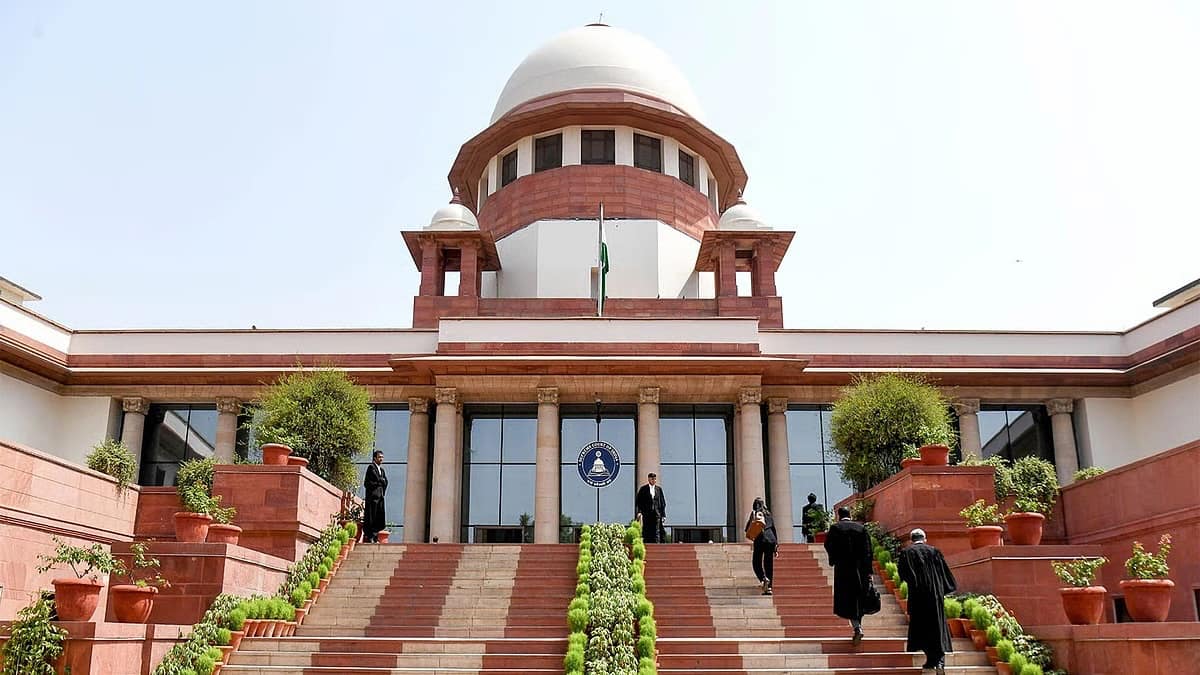
The Supreme Court of India posed a critical question to the West Bengal government regarding the Enforcement Directorate’s (ED) ability to seek assistance from the state police. This inquiry arose amid allegations that Chief Minister Mamata Banerjee interfered during recent raids conducted on the political consultancy firm I-PAC. The court convened to address West Bengal’s objections concerning the appeal filed by the ED under Article 32 of the Constitution, which allows citizens to pursue constitutional remedies for violations of fundamental rights.

Contentions from Bengali Government

During the proceedings, senior advocate Kapil Sibal, representing the West Bengal government, contended that the ED should not invoke Article 32 when there exists an avenue to address the matter through the state police. Sibal emphasized that this provision is designed to protect citizens’ fundamental rights. The ED has urged the Supreme Court for a probe into alleged obstructions it faced from the state government during its operations.

Supreme Court’s Stance on ED Officers’ Rights

The court sought clarification on whether it would be feasible for the ED to approach the state police when the alleged interference involves the state itself. Justice Prashant Kumar Mishra raised concerns, questioning the logic behind seeking a remedy from the government if the Chief Minister is implicated. He remarked, “If the Chief Minister is obstructing an ED investigation, is it reasonable to inform the state government about it and seek their assistance?”

Arguments Against the ED’s Writ Petition

Sibal responded by asserting that if there had been any interference, it would be appropriate for the state police to handle the investigation. He further urged the court not to presume any wrongdoing by the Chief Minister. Sibal argued that permitting the ED to file for writ jurisdiction under Article 32 could lead to extensive complications, insisting that investigative agencies cannot claim a fundamental right to conduct investigations.

Judicial Considerations on Citizenship Rights

The court countered Sibal’s argument by questioning whether ED officials lose their status as citizens when performing their duties. Justice Mishra stated, “Just because they are ED officers, does that mean they cannot approach the court under Article 32? They do not cease to be citizens of India in such cases.” The Supreme Court affirmed that individual officers of the ED retain the right to file petitions under this constitutional provision.

Details of the I-PAC Investigation

The ongoing case revolves around the January 8 raid on the I-PAC office in Kolkata, which also included a search at the residence of I-PAC chief Prateek Jain. This action is part of a money laundering investigation related to an alleged coal scam. Tensions escalated as Chief Minister Mamata Banerjee arrived at Jain’s residence during the raids, reportedly leaving with a laptop, phone, and various documents. The ED labeled this occurrence a “gross abuse of power,” while the Trinamool Congress maintained that the actions were politically motivated, particularly with upcoming elections in West Bengal.

Upcoming Court Schedule

The Supreme Court has scheduled the next hearing of this matter for April, as legal proceedings around the case continue while West Bengal prepares for elections on April 23 and 29, with results expected to be announced on May 4.

Long or Short, get news the way you like. No ads. No redirections. Download Newspin and Stay Alert, The CSR Journal Mobile app, for fast, crisp, clean updates!

App Store –  https://apps.apple.com/in/app/newspin/id6746449540 

Google Play Store – https://play.google.com/store/apps/details?id=com.inventifweb.newspin&pcampaignid=web_share

Latest News

Popular Videos
