



The Supreme Court has issued a notice to the Election Commission of India (ECI) and the government regarding a Public Interest Litigation (PIL) that calls for the implementation of biometric and facial recognition systems for voter identification. Filed on April 13, the petition aims to enhance the integrity of elections by preventing electoral malpractices such as duplicate voting, impersonation, and ghost voters.
Chief Justice of India Surya Kant and Justice Joymalya Bagchi, who are presiding over the case, have requested responses from both the ECI and government authorities. The petition has raised important concerns about the effectiveness of the current voting system, which largely relies on voter ID cards and manual verification processes.
Advocate Ashwini Kumar Upadhyay, who filed the PIL, has invoked Article 32 of the Indian Constitution to bring attention to these issues. He emphasised that the existing mechanisms are insufficient, given the ongoing incidents of bribery, undue influence, and impersonation at polling stations.
Proposed Biometric Identification System
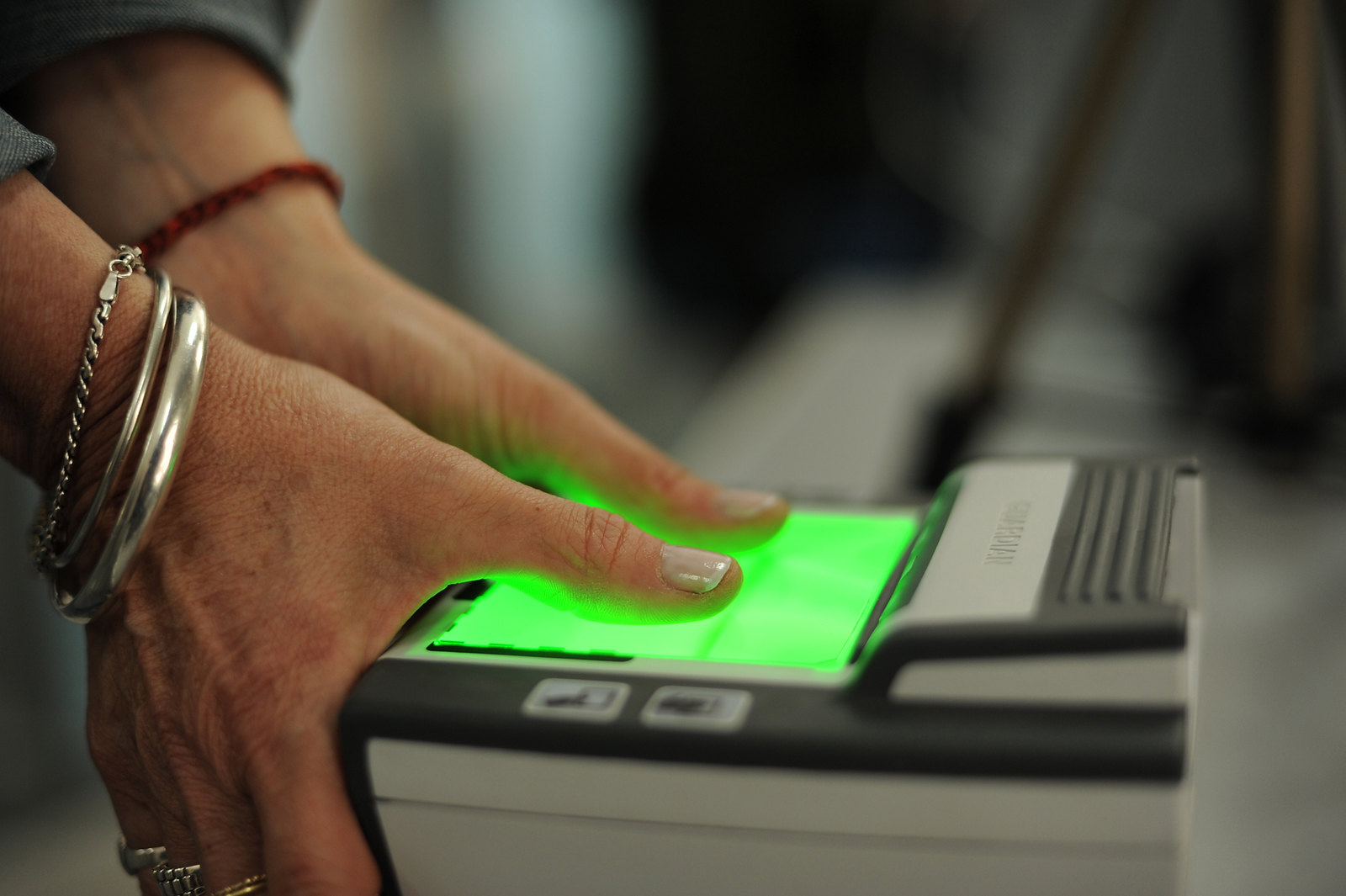
The petition advocates for the introduction of a fingerprint and iris-based biometric authentication system at polling stations, especially in upcoming elections. This system is aimed at ensuring that only legitimate voters have the ability to cast their votes, thereby reinforcing the principle of “one citizen, one vote.”
According to the petition, the current methods of voter identification suffer from several shortcomings. Issues such as outdated photographs, clerical errors, and the absence of real-time validation potentially allow for the misuse of voter IDs. By using biometric data, the petition claims that impersonation and multiple voting could be effectively eliminated.
The proposed biometric verification system is not only intended to minimise electoral fraud but also to address complications related to migrant voters and duplicate entries on electoral rolls. This initiative would create a real-time audit trail, thus enhancing transparency and accountability in the electoral process.
Financial Implications and Regulatory Considerations
During the proceedings, the Supreme Court noted that the implementation of such a biometric system would necessitate modifications to existing electoral rules. Moreover, it highlighted the financial implications that the introduction of this system might entail for the exchequer.
The court indicated that while the current petition cannot be resolved in time for the forthcoming elections, the feasibility of implementing biometric voting for future parliamentary and state elections warrants examination. This reflects the court’s recognition of the need for substantial deliberation regarding the changes to India’s electoral framework.
As the legal process unfolds, the responses from the ECI and the government will be critical in determining the direction of this initiative. The Supreme Court’s attention to the matter underscores the importance of maintaining the integrity of the electoral process in India.