


app-store-logo
play-store-logo
March 13, 2026

Supreme Court Dismisses Plea for Mandatory Menstrual Leave
The CSR Journal Magazine

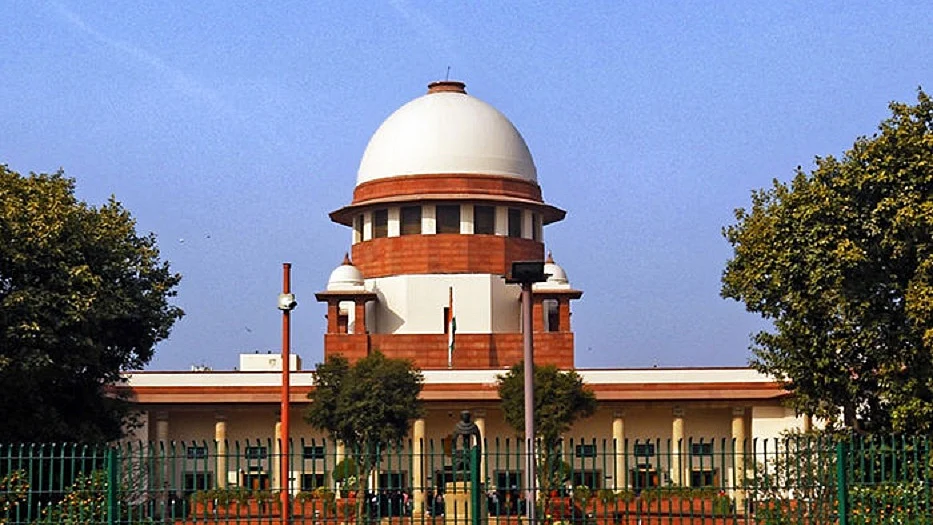
On Friday, the Supreme Court of India adjudicated a case concerning the proposal for paid menstrual leave for women across all workplaces. The bench, which included Chief Justice Surya Kant and Justice Joymalya Bagchi, concluded that instituting mandatory menstrual leave could inadvertently disadvantage women in their professional lives. The judges expressed concern that such legislation might lead employers to prefer hiring men over women, fearing the potential for monthly absenteeism.

Call for Policy Consideration

While acknowledging the significance of menstrual health issues, the court suggested that rather than enforcing compulsory leave, a more nuanced approach could be beneficial. The bench encouraged the Centre to explore the possibility of formulating policies regarding menstrual leave, emphasizing the importance of discussions with various stakeholders in the process. This recommendation arose from the plea submitted by Shailendra Mani Tripathi, who urged the court to direct both Union and state governments to establish laws that acknowledge the health challenges many women experience during menstruation.

Implications of the Ruling

The Supreme Court’s ruling highlights the complex dynamics between employee rights and workplace policies. The judges articulated concerns that mandating monthly leave for menstrual issues might lead to unintended negative consequences for women’s employment. By closing the case, the court underscored the necessity of balancing health considerations with labor market realities.

Continuing Dialogue on Women’s Health in Workplaces

This decision does not diminish the importance of addressing women’s health issues in professional environments. It opens the door for further discourse on how best to support women facing menstrual health challenges while ensuring equitable employment practices. The court’s suggestion to explore stakeholder consultations indicates a willingness to revisit the discussion in a more collaborative context. Such initiatives may yield innovative solutions that accommodate women’s health needs without hindering their career prospects.

Next Steps for Policymakers

As the judiciary has encouraged a review of existing policies on women’s health and employment, it raises questions about how forthcoming the government will be in addressing these concerns. Potential collaborations between health experts, women’s organizations, and business leaders could pave the way for a comprehensive framework that supports women while preserving their rights within the workplace. The case reflects broader societal issues of gender equity and health management that require ongoing attention and action.

Long or Short, get news the way you like. No ads. No redirections. Download Newspin and Stay Alert, The CSR Journal Mobile app, for fast, crisp, clean updates!

App Store –  https://apps.apple.com/in/app/newspin/id6746449540 

Google Play Store – https://play.google.com/store/apps/details?id=com.inventifweb.newspin&pcampaignid=web_share

Latest News

Popular Videos
