


Supreme Court Dismisses Challenge Against Vande Mataram Circular
The CSR Journal Magazine

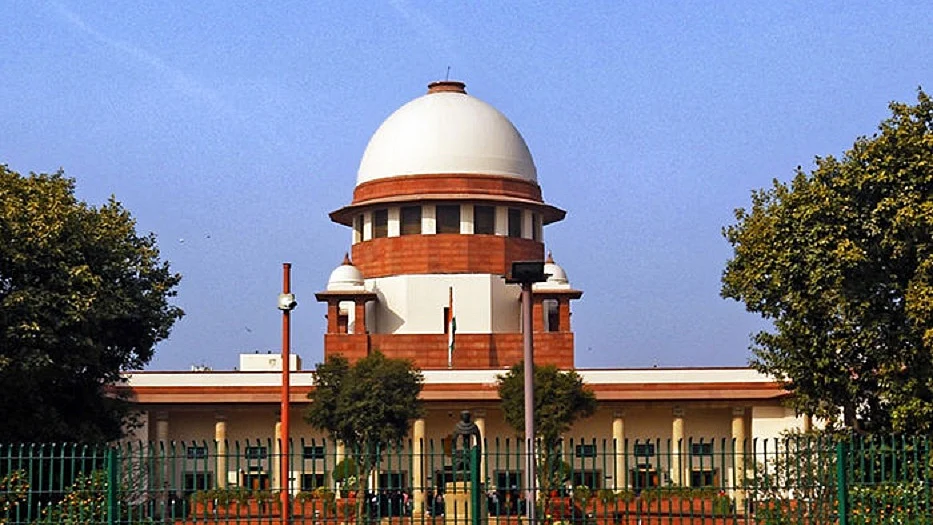
In a recent hearing, the Supreme Court addressed a plea filed by Muhammed Sayed Noori, president of the Mumbai-based Raza Academy, contesting a directive from the Centre. The order mandates that schools initiate their daily activities with the full rendition of the national song ‘Vande Mataram’. Noori argued that this practice infringes upon the religious freedoms guaranteed to Muslims under the Indian Constitution, as well as the principle of secularism.

Legal Argument Presented

During the proceedings, senior advocate Sanjay Hegde represented Noori and conveyed to the bench comprising Chief Justice Surya Kant, Justices Joymalya Bagchi, and Vipul M Pancholi that India is intrinsically a multi-religious nation. He emphasized that the Constitution provides individuals the right to follow any faith, and compelling participation in the national song for those unwilling is unjust. Hegde noted that the implications of the current directive could put numerous citizens, especially those from minority or monotheistic religions, in a difficult position where they would either have to act against their beliefs or risk being viewed as disrespectful towards a national symbol.

Bench’s Inquiry on Mandatoriness

In response, the bench asked the advocate to identify specific portions of the directive that rendered the singing of ‘Vande Mataram’ in its entirety compulsory for educational institutions. They inquired about the existence of any penalties associated with non-compliance. Hegde referred back to a previous Supreme Court ruling from 2018 that made singing the national anthem mandatory in film screenings. He expressed concerns that such impositions could deter individuals and likeminded citizens from attending films, highlighting that patriotism should not be forced upon anyone. He stated that protecting individual conscience is essential to uphold the Constitution’s promise to the citizenry.

Judicial Perspective on the Plea

The bench ultimately remarked that the petition was considered premature since the directive stipulates that the school day “may begin” with the singing of the national anthem rather than making it mandatory. They noted that this does not infringe upon the right to freedom of expression as no compulsion exists at this stage. The bench clarified that the petitioners could seek the court’s intervention if they experienced actual coercion to sing the national song in the future.

Long or Short, get news the way you like. No ads. No redirections. Download Newspin and Stay Alert, The CSR Journal Mobile app, for fast, crisp, clean updates!

App Store –  https://apps.apple.com/in/app/newspin/id6746449540 

Google Play Store – https://play.google.com/store/apps/details?id=com.inventifweb.newspin&pcampaignid=web_share

Latest News

Popular Videos
