


app-store-logo
play-store-logo
March 11, 2026

Supreme Court Clarifies Euthanasia Regulations in Harish Rana Case
The CSR Journal Magazine

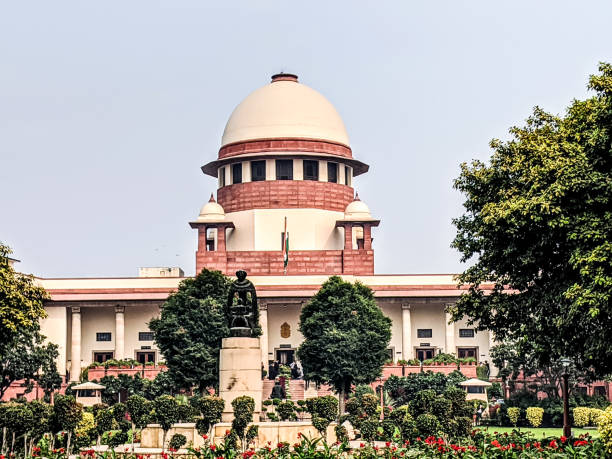
The Supreme Court’s recent ruling in the Harish Rana case has sparked considerable discussion regarding the state of euthanasia legislation in India. The verdict firmly states that active euthanasia remains illegal, meaning that no deliberate actions should be taken to hasten an individual’s death. However, it reaffirms the legality of allowing a dignified death through the withdrawal of medical treatments that unnecessarily prolong life when such actions align with the patient’s best interests.

Legal Framework Surrounding Euthanasia

According to the Supreme Court, any withdrawal of life-sustaining treatment must be predicated on thorough evaluations by both the Primary and Secondary Medical Boards. The interaction highlights the notion that while patients possess the right to die with dignity, active measures to end life are not permissible under current Indian law. In the case of Harish Rana, a young man who has been in a permanent vegetative state since 2013, the ruling allows for the removal of Percutaneous Endoscopic Gastrostomy (PEG) tubes, which have been providing nutrition and hydration.

Details of the Ruling

The bench, comprising Justices JB Pardiwala and KV Vishwanath, categorized Clinically Administered Nutrition and Hydration (CANH) as a form of medical treatment, necessitating medical protocols for its administration. Justice Pardiwala emphasized Harish’s prolonged suffering and recognized the commendable care provided by his family over the years. The Court underscored the need for a careful and regulated approach to any decisions made regarding withdrawal of treatment, ensuring that the effects of such a decision are well understood and properly administered.

Shifting to Palliative Care

Following the Supreme Court’s decision, Harish will be transferred to a palliative care unit at AIIMS in Delhi, where a detailed care plan will be established to manage his comfort levels, pain relief, and overall quality of life. This may include the administration of medications such as antibiotics and painkillers, while also allowing natural processes to take their course without striving for life prolongation when no recovery is anticipated.

Focus on Patient’s Best Interests

The ruling reiterates that all actions regarding individuals incapacitated in a permanent vegetative state, particularly those lacking a prior advance medical directive, must prioritize their best interests. The courts have emphasized a case-by-case analysis that respects both the sanctity of life and the dignity of the patient, suggesting that decisions should neither hastily prolong suffering nor disregard the prospect of recovery.

Guidelines on Medical Evaluation

In its judgment, the Supreme Court has set forth essential criteria for evaluating cases relating to passive euthanasia. A strong presumption for preserving life should be upheld unless it has been medically deemed futile. Health professionals are to consult with family members who hold legal decision-making authority, and any plan for care must prioritize humane withdrawal of treatment.

Future Legislative Steps

The Supreme Court’s directives extend to the need for legislative clarity in passive euthanasia and palliative care across the country. It has urged the government to develop proper legislation to establish streamlined processes and adequate infrastructure to facilitate the implementation of palliative care, including the formation and regular updating of medical boards tasked with reviewing cases for passive euthanasia.

Long or Short, get news the way you like. No ads. No redirections. Download Newspin and Stay Alert, The CSR Journal Mobile app, for fast, crisp, clean updates!

App Store –  https://apps.apple.com/in/app/newspin/id6746449540 

Google Play Store – https://play.google.com/store/apps/details?id=com.inventifweb.newspin&pcampaignid=web_share

Latest News

Popular Videos
