


app-store-logo
play-store-logo
February 26, 2026

Supreme Court Bans NCERT Class 8 Chapter on Judiciary Corruption
The CSR Journal Magazine

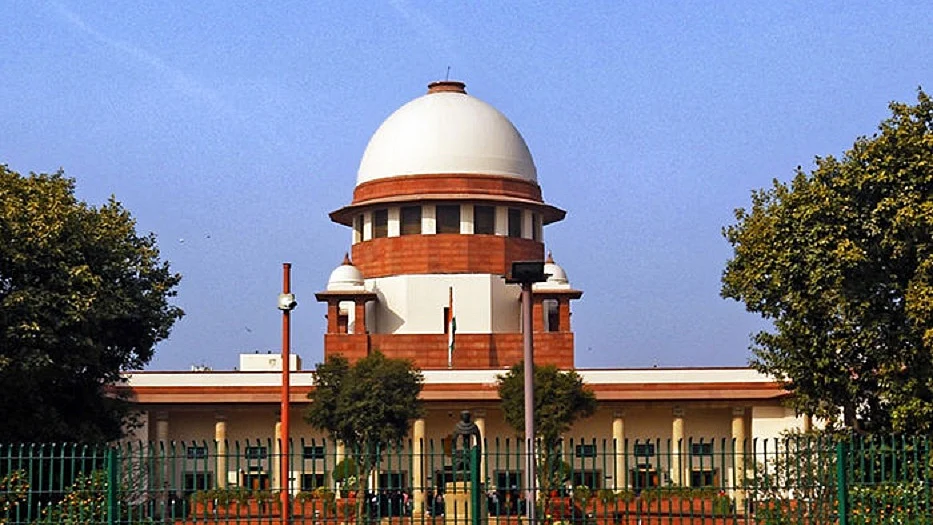
The Supreme Court of India has taken significant action by banning a chapter titled “Corruption in the Judiciary” from the National Council of Educational Research and Training’s Class 8 Social Science textbook. The court, comprising Chief Justice Surya Kant, Justice Joymalya Bagchi, and Justice Vipul M Pancholi, has issued show cause notices to both the Secretary of Education and Literacy in the Ministry of Education and NCERT Director Dinesh Prashad Saklani. These notices seek explanations for why legal action should not be initiated for including the controversial sub-chapter.

Despite NCERT’s earlier apology and acknowledgment of the chapter’s inappropriateness, the bench declined to halt the proceedings initiated on its own accord. The Supreme Court firmly stated that any attempt to circumvent this ruling would be treated as an interference with the judicial process and could result in contempt of court charges. The institution has made it clear that preserving the integrity of the judiciary is paramount and will not be compromised.

NCERT Required to Provide Detailed Records

The Supreme Court has mandated NCERT to furnish comprehensive records from the Teaching-Learning Materials Committee responsible for approving the chapter. This includes details about the qualifications and backgrounds of all individuals involved in the development of the textbook section. The court’s order reflects a broader concern about the portrayal of the judiciary within educational materials and the potential implications for public perception.

Chief Justice Surya Kant articulated serious concerns regarding the impact of such material, describing the situation as indicative of an orchestrated attack on the judiciary. He emphasized that the ramifications of the chapter’s narrative extend beyond mere academic discussion, suggesting a deliberate attempt to manipulate how the judiciary is perceived by students and society at large. The emphasis was placed on the role of educators in conveying accurate and balanced information about judicial integrity.

Context and Future Actions from NCERT

In a prior statement, NCERT admitted to erring in judgment with the content of the chapter and expressed its intention to undertake a review and revision process. This commitment to re-evaluating educational content demonstrates a recognition of the sensitive nature of the material involved. The organization stated that it would proceed with thorough consultation to ensure that any revised content aligns with institutional values and does not undermine the credibility of the judiciary.

Following the Supreme Court’s directive, NCERT has halted the distribution of the Class 8 Social Science textbook that contained the controversial chapter. This decision underscores the judiciary’s vigilance in maintaining the integrity of the educational framework and safeguarding against the dissemination of misleading information. The actions taken by the Supreme Court highlight the balance between educational freedom and the necessity of responsible representation of national institutions within academic settings.

Long or Short, get news the way you like. No ads. No redirections. Download Newspin and Stay Alert, The CSR Journal Mobile app, for fast, crisp, clean updates!

App Store –  https://apps.apple.com/in/app/newspin/id6746449540 

Google Play Store – https://play.google.com/store/apps/details?id=com.inventifweb.newspin&pcampaignid=web_share

Latest News

Popular Videos
