


app-store-logo
play-store-logo
March 11, 2026

Supreme Court Approves Passive Euthanasia for Harish Rana Following Landmark Verdict
The CSR Journal Magazine

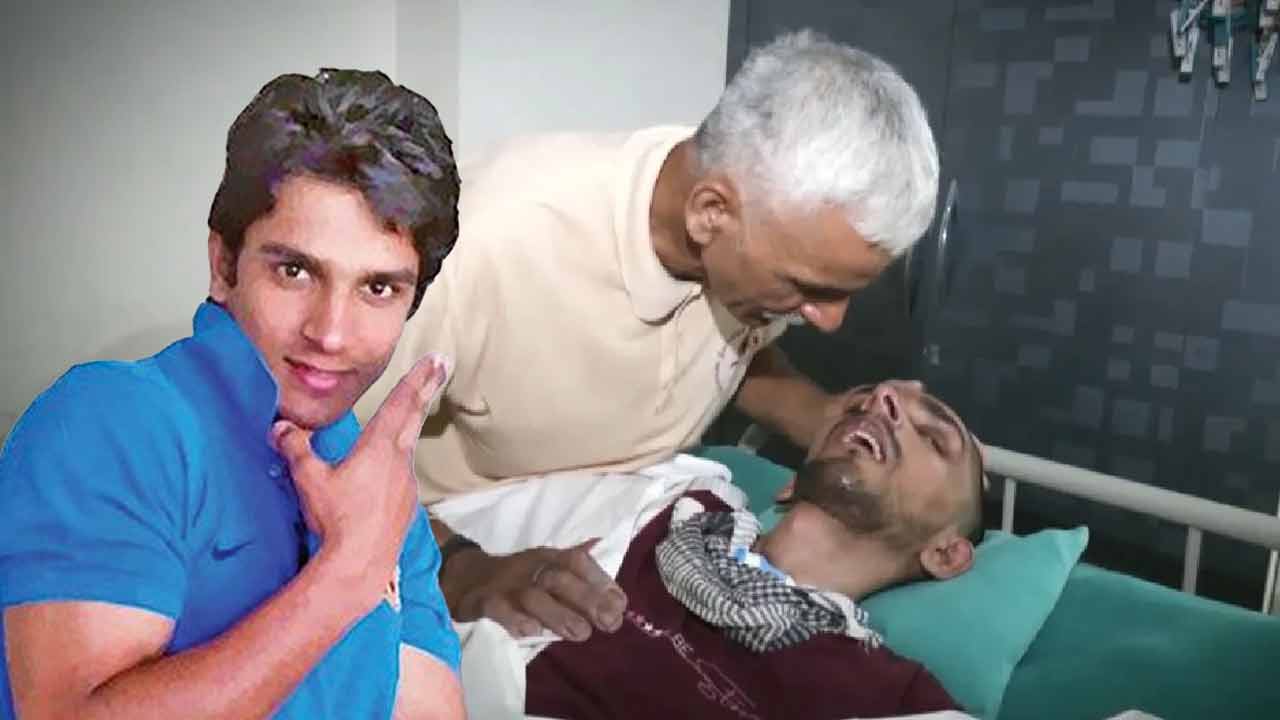
In a significant ruling, the Supreme Court has allowed the cessation of life support for Harish Rana, a 32-year-old man in a permanent vegetative state for over 13 years. This landmark decision opens doors to passive euthanasia under specific conditions. The court determined that the patient’s medical condition was “pathetic” and that prolonging life support was not in his best interest.

The bench, comprising Justice JB Pardiwala and Justice KV Viswanathan, instructed the All India Institute of Medical Sciences to transfer RCA to its palliative care unit. This would enable a carefully organized withdrawal of life support, ensuring the patient’s dignity is protected throughout the process.

Patient’s Welfare Must Guide Medical Decisions

During the announcement of the verdict, Justice Viswanathan emphasized that the primary focus in these circumstances should be the patient’s welfare. He stated, “The best interest of the patient is the only interest to be considered.” This sentiment reflects the need for a patient-centered approach in such critical medical situations.

The court also recognized the enduring dedication of Rana’s family, noting their relentless support through his prolonged health struggles. Justice Viswanathan remarked, “His family never left his side…to love someone is to care for them even in the darkest times.” This acknowledgment reinforces the emotional complexity surrounding decisions on end-of-life care.

Clarifications on Medical Obligations and Treatment Limitations

In its ruling, the court made it clear that while healthcare providers have a duty to administer treatments, this obligation is not eternal, particularly when there is no expectation of recovery, and continued treatment only serves to extend biological life. The court remarked, “While a doctor’s duty is to apply treatment, that duty no longer sustains when the patient has no hope of recovery.”

The bench further specified that a patient does not have to be terminally ill to be eligible for the withdrawal of life support. It stated, “A person need not be terminally ill; if he is in a permanent vegetative state, it would qualify for the establishment of a medical board.” This broadens the scope for assessing patients in similar conditions.

Palliative Care Options and Their Flexibility

The judges also elaborated on the nature of palliative and end-of-life care, clarifying that such care is not confined to hospital settings. They noted, “Palliative and end-of-life care is permissible at home or wherever the patient prefers, as long as it is customized to ensure the patient receives adequate medical attention.” This flexibility allows families to make choices that best align with their needs and circumstances.

Passive euthanasia is defined as the intentional withdrawal or withholding of life-sustaining treatment, permitting natural death to ensue. In Rana’s case, the court mandated that the withdrawal of treatment must adhere to a comprehensive plan designed to uphold the patient’s dignity during the transitional process.

Long or Short, get news the way you like. No ads. No redirections. Download Newspin and Stay Alert, The CSR Journal Mobile app, for fast, crisp, clean updates!

App Store –  https://apps.apple.com/in/app/newspin/id6746449540 

Google Play Store – https://play.google.com/store/apps/details?id=com.inventifweb.newspin&pcampaignid=web_share

Latest News

Popular Videos
