


Study Reveals Hazardous Lead Contamination Across Four Indian States
The CSR Journal Magazine

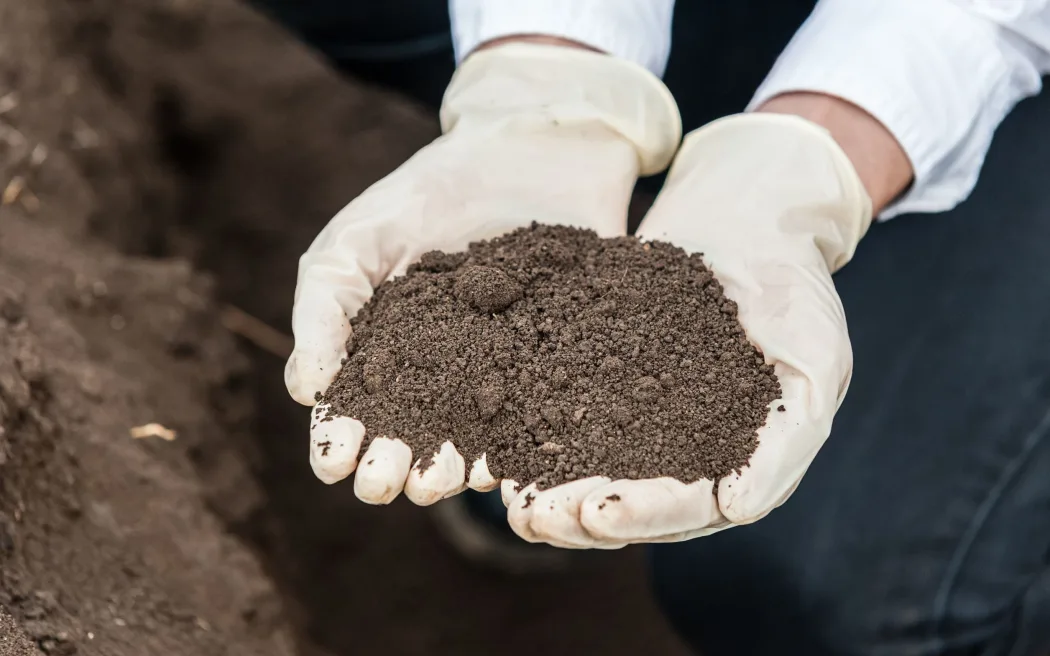
A recent study has identified alarming levels of lead contamination in soil surrounding battery recycling units in four Indian states, including Delhi. Conducted by the environmental research organisation Toxics Link, the investigation discovered that fifty-two per cent of soil samples from the National Capital Region (NCR), Haryana, Rajasthan, and Uttar Pradesh recorded lead concentrations exceeding 5,000 ppm. These findings raise important concerns about public health and environmental safety in these regions.

Lead is widely recognised as a cumulative toxicant, and there is no known safe level of exposure. It poses significant environmental health risks, contributing to approximately 540,000 deaths worldwide annually, as well as 13.9 million Disability-Adjusted Life Years (DALYs) lost each year. A report by the World Health Organisation (WHO) notes that the majority of the burden falls disproportionately on low- and middle-income countries, highlighting a global health crisis.

Health Risks Associated with Lead Exposure

Exposure to lead can occur through various pathways, including inhalation, ingestion of contaminated food, and skin contact. Once absorbed, lead can circulate in the bloodstream and accumulate in different organs, leading to significant health issues. The most vulnerable populations, particularly children and pregnant women, face the greatest risks. Even small amounts of lead exposure can disrupt brain development, resulting in cognitive impairments, behavioural challenges, and learning difficulties.

High levels of exposure can lead to severe health consequences, including coma, seizures, or even death. Survivors are often left with enduring neurological damage. Moreover, there are substantial economic implications, as suggested by a global research study from New York University, which estimates that low- and middle-income countries incur annual losses of $977 billion due to decreased IQ and productivity among affected children. In India, this figure is estimated at $236 billion annually, representing around five per cent of the country’s GDP.

These figures underline the urgency of addressing lead exposure and its linked health problems in India, thereby preventing further public health crises and economic losses.

Details of Contamination Findings

The study referred to the Environmental Protection (Management of Contaminated Sites) Rules of 2025 to assess contamination levels. It highlighted that fifty-two per cent of the examined samples, which amounted to twelve out of twenty-three, surpassed the 5,000 ppm threshold necessary for classifying a site as hazardous. Additionally, thirty-one per cent of samples exceeded the allowable limits designated for industrial areas within the same regulatory framework.

Investigators also found that at certain recycling sites, waste materials were directly dumped onto bare ground, significantly raising the chance of soil and groundwater contamination. Notably, the average lead levels were found to be higher at authorised recycling units compared to their unauthorised counterparts, suggesting possible gaps in regulatory compliance and oversight.

According to Toxics Link, these findings emphasise the need for improvements in environmental management to prevent lead leakage from recycling activities, raising alarms regarding public health and safety measures.

Calls for Immediate Action

The report has issued a clear call for urgent and coordinated interventions to tackle the lead contamination issue. Recommendations include implementing stricter regulations on informal recycling practices, alongside adopting advanced technologies and environmental standards across all recycling facilities. Enhanced monitoring of lead levels in soil, air, water, and household dust around recycling sites has also been suggested.

Furthermore, the establishment of a national database to track contaminated locations, linked with remediation efforts led by the Central Pollution Control Board, has been proposed. Regular health assessments for affected populations, including blood lead level testing, have been deemed vital to address the immediate health ramifications of lead exposure.

Long or Short, get news the way you like. No ads. No redirections. Download Newspin and Stay Alert, The CSR Journal Mobile app, for fast, crisp, clean updates!

App Store –  https://apps.apple.com/in/app/newspin/id6746449540 

Google Play Store – https://play.google.com/store/apps/details?id=com.inventifweb.newspin&pcampaignid=web_share

Latest News

Popular Videos
