


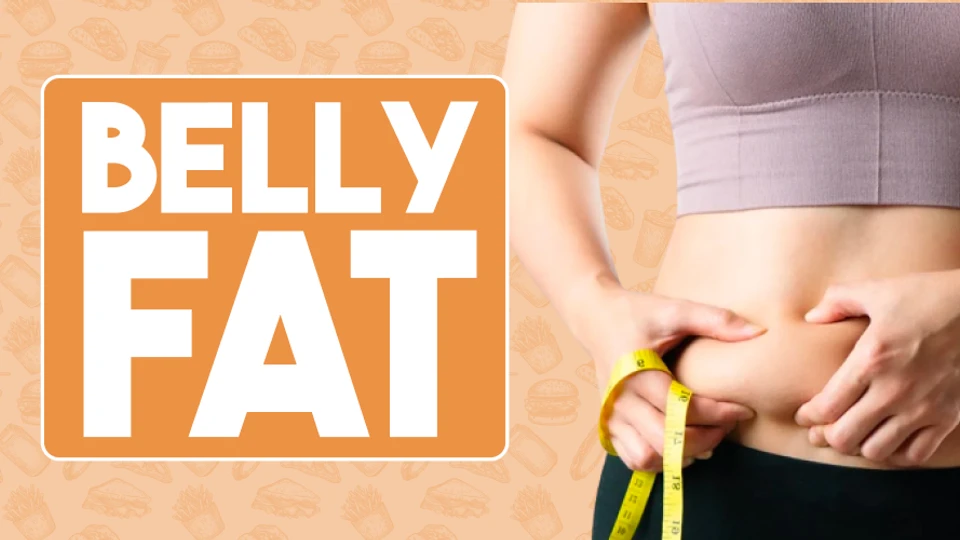
Study Explores Challenges of Losing Belly Fat
The CSR Journal Magazine

A recent study published in Nature has provided insights into why individuals may find it particularly challenging to lose weight from the abdominal area. The findings reveal that fat tissue can develop an “obesity memory,” which complicates long-term weight maintenance. This phenomenon appears to arise from changes in gene activity and epigenetics, influencing cellular behaviour without altering the DNA sequence.

Details of the Study Conducted on Obesity

The research team investigated fat tissue samples from individuals with obesity both before and after significant weight loss. They complemented this human study with experiments on mice to glean a deeper understanding of the biological processes occurring within fat cells post-weight loss. Findings indicated that the impact of obesity on gene activity persists, even after considerable weight is shed, particularly in fat cells within adipose tissue.

Upon examining the mice, researchers discovered that obesity induced lasting modifications in the epigenome of fat cells. These modifications were shown to affect various metabolic pathways, inflammation responses, and overall fat cell function. Strikingly, some of these epigenetic changes continued to exist after the mice returned to a lighter weight.

This investigation further highlighted that mice which had a history of obesity gained weight at a faster rate when reintroduced to a high-fat diet. These observations suggest that alterations in fat cells may enhance the body’s capability to restore energy and weight, resulting in what scientists refer to as an “obesogenic memory.” Although not reminiscent of human memory, this concept encompasses molecular changes that modify how fat cells respond to dietary intake.

Relevance to Stubborn Fat Around the Waist

Despite not exclusively addressing why belly fat is particularly stubborn, this study offers key insights into the obstacles individuals face in maintaining weight loss. It highlights that changes instigated by obesity may endure within fat tissue, complicating the journey to sustained leaner body composition.

Understanding these cellular transformations is crucial for ongoing research into effective weight management strategies. The study opens avenues for future exploration into how these persistent changes can be addressed, potentially leading to improved treatments for preventing weight regain.

Implications for Long-Term Weight Management

The research does not suggest that efforts to lose weight are futile. Instead, it underscores the complexity of obesity as a biological condition. Permanently maintaining weight loss may necessitate continuous support through lifestyle interventions. Emphasising healthy eating, regular exercise, sufficient sleep, and resistance training can all contribute to achieving and maintaining a healthier weight.

Furthermore, for individuals facing obesity, medical interventions may be an appropriate consideration. The researchers assert that a better understanding of changes in the cellular structure related to obesity could inform the development of more effective treatment strategies. Overall, this study reinforces the idea that the challenges of weight maintenance are multifaceted and require comprehensive approaches.

In conclusion, the findings from this study add to the body of knowledge regarding the difficulties in losing and keeping off weight, particularly around the abdomen. Acknowledging the biological complexities involved in weight management is essential for developing effective solutions and support systems for those affected by obesity.

Long or Short, get news the way you like. No ads. No redirections. Download Newspin and Stay Alert, The CSR Journal Mobile app, for fast, crisp, clean updates!

App Store –  https://apps.apple.com/in/app/newspin/id6746449540 

Google Play Store – https://play.google.com/store/apps/details?id=com.inventifweb.newspin&pcampaignid=web_share

Latest News

Popular Videos
