


Smog Engulfs Mumbai As Civic Body Struggles With Air Pollution
The CSR Journal Magazine

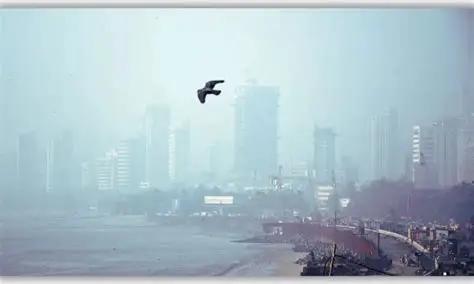
On Saturday morning, a thick layer of smog enveloped Mumbai’s Bandra Kurla Complex (BKC), leading to significantly reduced visibility in the area. The hazy conditions were noted across various parts of the city, raising concerns among residents and officials alike. The Brihanmumbai Municipal Corporation (BMC) reported that as of October 22, 2026, Mumbai had recorded 231 days classified under the ‘Good’ and ‘Satisfactory’ categories of the Air Quality Index (AQI). This figure marks an increase from the 218 days recorded in 2022, 216 days in 2021, and 185 days in 2020.

Measures Implemented by the BMC to Combat Pollution

The BMC has initiated a series of measures aimed at reducing air pollution levels in the city. According to data from the PRANA portal, which is managed by the Union Ministry of Environment, Forest and Climate Change, the concentration of PM10 in Mumbai has decreased by approximately 48 per cent from 2017-18 to 2025-26. In response to the ongoing pollution crisis, the civic body has established a set of 28 guidelines specifically targeting air pollution mitigation at construction sites.

To ensure compliance, the BMC has deployed 76 ward-level mitigation squads responsible for conducting random inspections. Each squad is tasked with inspecting a minimum of two construction sites daily and following up on identified pollution hotspots. Non-compliance with the established guidelines can lead to enforcement actions, including show-cause notices, stop-work orders, and site closures, all supported by detailed inspection reports and photographic evidence.

Additionally, the BMC has mandated the installation of sensor-based air quality monitors at construction sites. Currently, 3,166 sites have integrated these monitors with a central dashboard, allowing the civic body to track air quality readings effectively. To further control road dust, the BMC conducts deep cleaning and routine sweeping, utilising 29 multipurpose vehicles for these operations.

Focus on Construction Waste Management and Emissions

The BMC is also enforcing regulations requiring that construction and demolition waste vehicles remain covered and have their wheels washed before entering public roads. The Mumbai Debris Control and Tracking System (MDCTS) has been implemented to monitor waste transportation and authorised disposal, involving project proponents, developers, and planning authorities.

In terms of emissions from local bakeries, the BMC has identified that these establishments contribute approximately 3.5 per cent of the city’s particulate matter emissions. Out of the 593 bakeries in Mumbai, 209 are currently using cleaner fuels, while another 175 have completed the conversion process. Sixty-nine bakeries are in the process of conversion, 87 remain non-compliant, and eight have ceased operations.

Furthermore, the BMC is installing air pollution control devices at ten crematoria and is actively monitoring open-burning hotspots. As part of its Winter Air Pollution Mitigation and Enforcement Action Plan for 2026, the BMC is focusing on compliance at construction sites, road dust management, open burning, pollution hotspots, and vehicle checks.

Public awareness campaigns are also being launched to educate citizens about the air and noise pollution associated with firecrackers, which are prohibited in public areas, including streets, roads, footpaths, and silence zones.

Long or Short, get news the way you like. No ads. No redirections. Download Newspin and Stay Alert, The CSR Journal Mobile app, for fast, crisp, clean updates!

App Store – https://apps.apple.com/in/app/newspin/id6746449540

Google Play Store – https://play.google.com/store/apps/details?id=com.inventifweb.newspin&pcampaignid=web_share

Latest News

Popular Videos
