We’ve all done it. You come home late, take a quick shower, feel instantly relaxed—and then crawl straight into bed with damp hair. It feels harmless, even comforting. After all, what’s the worst that could happen overnight?
Turns out, quite a bit. Sleeping with wet hair is one of those everyday habits that doesn’t cause instant damage but slowly chips away at your scalp health, hair strength, and even how refreshed you feel in the morning. Let’s break it down in a more real, human way.
Your Scalp Stays Wet Longer Than You Think
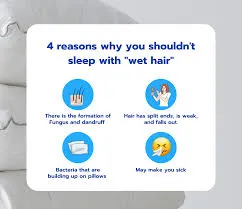
When you fall asleep with wet hair, your scalp doesn’t magically dry itself. It stays damp for hours, pressed against a pillow with little air circulation. This warm, moist environment is exactly what fungi and microbes love.
Your scalp naturally has yeast and bacteria, but excess moisture lets them multiply faster than they should. Over time, this can throw your scalp completely out of balance, setting the stage for persistent issues you may not immediately connect to your nighttime routine.
That Itchy, Flaky Feeling Has a Cause
Ever woken up scratching your head or noticed dandruff that just won’t go away? Sleeping with wet hair could be playing a role.
A constantly damp scalp weakens the skin barrier, making it more reactive to sweat, oil, and leftover hair products. The result? Itchiness, flakes, redness, and irritation that seem to appear out of nowhere. If you already struggle with dandruff, this habit can quietly make it worse.
Wet Hair Breaks More Easily—Even While You Sleep
Hair is surprisingly delicate when it’s wet. The strands swell with water, stretch easily, and lose strength. Now add eight hours of tossing and turning on a pillow, and you’ve got the perfect recipe for breakage.
This doesn’t happen in one night, which is why it often goes unnoticed. But over weeks and months, you may start seeing more hair on your pillow, shorter broken strands, or hair that feels thinner at the ends.
Why Your Hair Looks Frizzy by Morning
If you wake up with rough, frizzy, uncooperative hair, your pillow might be partly to blame. Wet hair rubbing against fabric all night damages the cuticle—the outer protective layer of each strand.
Cotton pillowcases make it worse by absorbing moisture and increasing friction. Over time, this leads to split ends, dullness, and hair that refuses to behave no matter how much serum you apply.
Yes, Your Scalp Can Break Out Too
Scalp acne is more common than people admit. When your scalp stays damp, dirt, sweat, and natural oils get trapped more easily. This can clog pores and cause small, painful bumps that feel like pimples or sore spots.
Because they’re hidden under hair, these issues often go untreated or misdiagnosed as dandruff or irritation—while the real problem is simply too much moisture sitting overnight.