


Shashi Tharoor Warns of Economic Impact from West Asia Conflict, Advocates for Energy Diversification

The CSR Journal Magazine

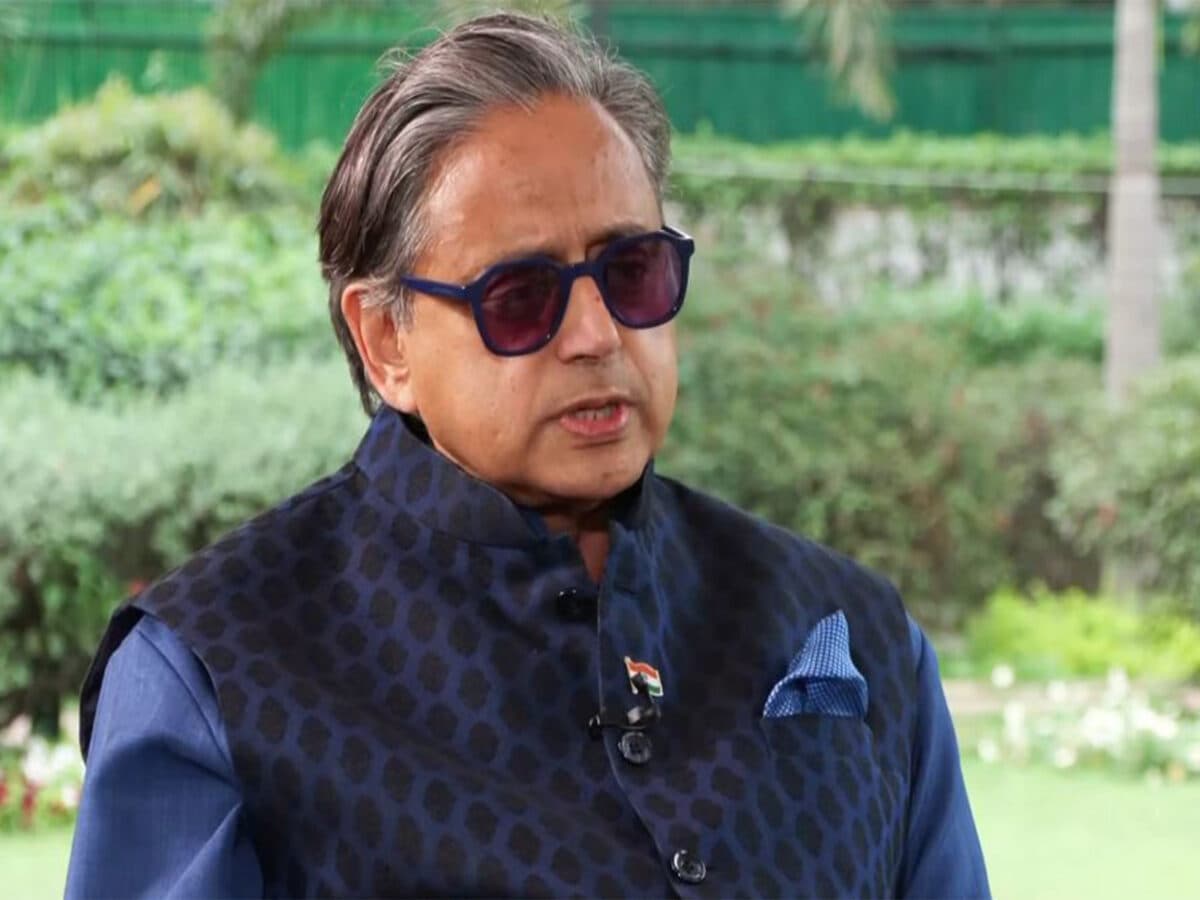
Shashi Tharoor, a prominent Congress leader and Chairman of the Parliamentary Standing Committee on External Affairs, has raised alarms regarding the effects of the ongoing conflict in West Asia on India’s economy. He emphasized that disruptions in energy supplies from the Gulf region are leading to significant economic repercussions. In his remarks during an interview, Tharoor outlined the necessity for India to diversify its energy sources to mitigate the impact of this situation.

According to Tharoor, the conflict, which reignited on February 28, has contributed to a surge in international crude oil prices. He noted that prices have escalated from around USD 64 per barrel at the onset of the conflict to between USD 100 and USD 120 per barrel. This sharp increase poses a risk of “petrol inflation,” which could deeply affect various sectors reliant on transportation.

Dependence on Gulf Countries for Energy Supply

Tharoor highlighted that a substantial portion of India’s energy needs—approximately 60% to 80%—is dependent on imports from Gulf nations, particularly oil and gas. He mentioned that the current situation has led to significant disruptions in deliveries, impacting usage in homes, restaurants, and businesses. “We are not receiving adequate supplies for essential needs, which is causing widespread concern across the nation,” he stated, underlining the seriousness of the issue.

In light of the challenges posed by the ongoing conflict, Tharoor urged that India should pursue expanded trade agreements with other nations. He stressed the importance of exploring diverse supply sources as a temporary measure until stability returns in the region. “Enhancing our trade partnerships can help us secure better terms for our exports during these challenging times,” he noted.

Government Response to Energy Infrastructure Attacks

The situation has prompted further reactions from the Indian government. The Ministry of External Affairs (MEA) voiced concern over recent attacks on energy installations in the Gulf, describing them as deeply troubling. MEA spokesperson Randhir Jaiswal condemned such acts, emphasizing that they exacerbate an already precarious energy landscape. He reiterated India’s stance on the necessity for the protection of civilian infrastructure during conflicts.

During a media briefing, Jaiswal stated that India is actively working to procure LPG and other fuel supplies from various sources, including Russia. He affirmed that the government aims to ensure the uninterrupted meeting of the nation’s fuel needs by diversifying import sources. “We are keen on maintaining a wide array of options regarding our energy supply,” he noted, addressing the concerns arising from the fluctuating availability of resources.

Global Implications of the Ongoing Conflict

Tharoor and the Indian government both acknowledge the broader ramifications of the West Asia conflict. The ongoing instability is affecting not only India but also has global consequences on energy markets. Officials have called for immediate measures from world leaders to facilitate a resolution to the conflict, emphasizing the need for collective responsibility in restoring stability in the region.

Long or Short, get news the way you like. No ads. No redirections. Download Newspin and Stay Alert, The CSR Journal Mobile app, for fast, crisp, clean updates!

App Store –  https://apps.apple.com/in/app/newspin/id6746449540 

Google Play Store – https://play.google.com/store/apps/details?id=com.inventifweb.newspin&pcampaignid=web_share

Latest News

Popular Videos