


SC of India Recognises Bias Against Women Officers, Affirms Permanent Commission Rights
The CSR Journal Magazine

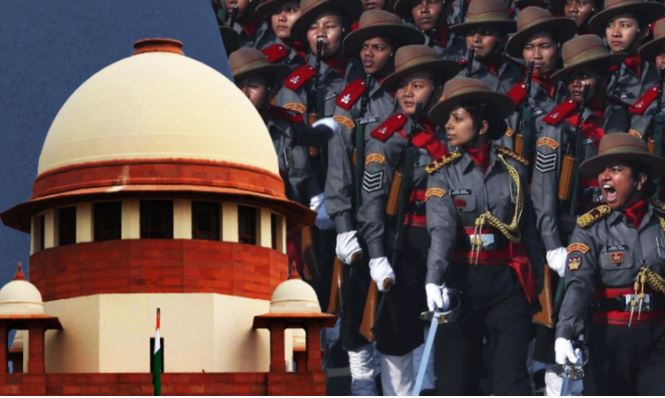
The Supreme Court of India has recognized the persistent obstacles faced by women officers in the Armed Forces in their quest for permanent commissions and promotions. After nearly a decade and a half of legal struggles, the Court highlighted systemic biases affecting Short Service Commission Women Officers (SSCWOs) within the Army, Navy, and Air Force. In a series of rulings delivered on Tuesday, the Court underscored the disadvantages women officers encountered, despite previous court orders and policy reforms aimed at achieving gender equality. Approximately 100 women officers across these services have been advocating for justice against these institutional challenges.

Systemic Biases Identified

The Court brought attention to the Annual Confidential Reports (ACRs), which largely influence evaluations for permanent commissions. It noted that these assessments were compiled during periods when women were ineligible for promotions, resulting in consistently lower ratings for female officers and thereby restricting their advancement despite their qualifications. Furthermore, women were often excluded from vital training courses and roles that are crucial for career development. For instance, the Junior Command Course, essential for promotion, was accessible to male officers but denied to women solely due to their ineligibility for permanent commissions at that time.

Evaluation Policy Changes and Their Limitations

While the Armed Forces implemented anonymous and computerized assessments in 2012, the Court asserted that these measures could not counteract the influence of earlier biased evaluations. The Court likened this situation to attempting to correct an old photograph by adjusting the lens after the image has already been taken. Additionally, the Court scrutinized the government’s rationale regarding an annual cap of 250 permanent commission vacancies. It pointed out that this cap had previously been exceeded and maintained that applying it rigidly would exacerbate existing inequalities.

Court’s Decision for Redress Across Services

The Supreme Court invoked its constitutional authority to mandate that women officers qualifying under earlier selection criteria should receive permanent commissions and pension entitlements. It also called for a reassessment of evaluation methods to safeguard against future biases toward women officers. Specifically for Navy personnel, the Court highlighted issues related to transparency in vacancy calculations and evaluation standards, directing that eligible officers be granted permanent commissions as a one-time measure to prevent further litigation.

Specific Relief for Air Force Officers

In cases concerning women officers from the Air Force, the Court granted relief to those considered by selection boards between 2019 and 2021. However, it declined requests for retroactive promotions, citing considerations about the hierarchical nature of military service. These rulings constitute a significant advancement in confronting historical disparities faced by women in the Armed Forces, acknowledging that changes in policy alone are inadequate without addressing ingrained systemic issues.

Long or Short, get news the way you like. No ads. No redirections. Download Newspin and Stay Alert, The CSR Journal Mobile app, for fast, crisp, clean updates!

App Store –  https://apps.apple.com/in/app/newspin/id6746449540 

Google Play Store – https://play.google.com/store/apps/details?id=com.inventifweb.newspin&pcampaignid=web_share

Latest News

Popular Videos
