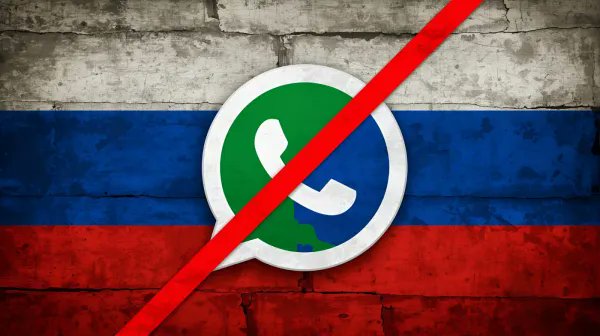
Russia has blocked WhatsApp, the Kremlin confirmed on Thursday, as authorities intensify a broader crackdown on foreign messaging platforms. Kremlin spokesman Dmitry Peskov said Russians should instead use a new state-backed messaging platform called Max.
“Max is an accessible alternative, a developing messenger, a national messenger. And it is available on the market for citizens,” Peskov told reporters, according to Russian state media.
The move marks a significant escalation in Moscow’s efforts to redirect users toward domestic platforms that comply with national data and security regulations.
WhatsApp Says Russia Attempted ‘Full Block’
In a statement posted on social media platform X, WhatsApp said Russian authorities had attempted to “fully block” its service to push users toward Max, which it described as a “state-owned surveillance app.”
“Trying to isolate over 100 million users from private and secure communication is a backwards step and can only lead to less safety for people in Russia,” the company said, adding that it would continue efforts to keep users connected.
The restriction is part of a broader tightening of control over digital communication platforms in Russia.
Roskomnadzor Cites Legal Violations
Russia’s telecom watchdog, Roskomnadzor, has accused WhatsApp and other messaging platforms of failing to comply with legislation requiring companies to store Russian users’ data within the country and prevent alleged criminal or terrorist activity on their services.
Authorities have used these allegations as a basis to slow down or restrict operations of several platforms since last year. Last August, Roskomnadzor partially restricted calls on WhatsApp and Telegram, while users have reported degraded performance on Telegram since January.
On Wednesday, Roskomnadzor reiterated that it would introduce “successive restrictions” against companies that fail to comply with Russian law.
Broader Digital Strategy
The latest action reflects Russia’s wider strategy of encouraging migration to domestic platforms such as Max, which authorities say are compliant with local regulations. Critics argue the broader objective is to tighten state oversight, restrict freedom of expression and monitor public discourse, particularly in relation to the war in Ukraine.
Peskov defended the measures, stating that any company operating in Russia must comply with national laws.
Russia’s escalating digital controls have increasingly reshaped the country’s online landscape, with foreign platforms facing mounting pressure to adapt to stricter regulatory requirements or risk restrictions.