


app-store-logo
play-store-logo
December 24, 2025

Rajasthan Panchayat Bans Smartphones for Women in 15 Villages
The CSR Journal Magazine

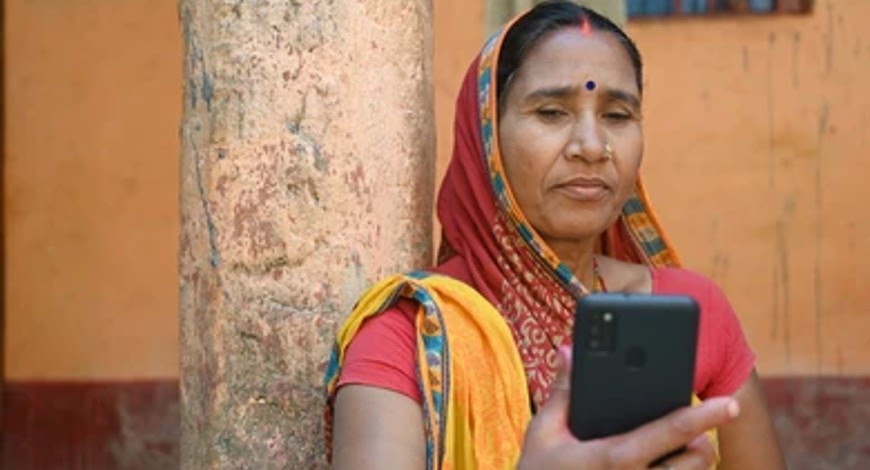
A caste panchayat in Rajasthan’s Jalore district has stirred a major controversy by banning daughters-in-law and young women from using smartphones in 15 villages. The decision, taken by the Chaudhary community’s Sundhamata Patti Panchayat, came during a community meeting on December 22 in Ghazipur village. It will come into force from January 26 next year. Women’s rights groups have slammed the move as a blow to digital freedom, while officials say they are probing the matter.

The ban restricts women to basic keypad phones only. They cannot carry any mobile devices to weddings, social gatherings, or even neighbours’ homes. School-going girls can use smartphones at home for studies but must leave them behind when stepping out. This has ignited debates on women’s access to technology in rural India, where digital tools are key for education and empowerment.

The panchayat’s order covers villages like Gajipura, Pavli, Kalda, Manojia Vas, Rajikawas, Datlawas, Rajpura, Kodi, Sidrodi, Alri, Ropsi, Khanadeval, Savidhar, Hathmi ki Dhani, and Khanpur in the Bhinmal area. Local reports suggest such councils often enforce social norms through informal resolutions that carry weight in close-knit communities.

Reasons Behind the Ban

Panchayat president Sujanaram Chaudhary, who chaired the meeting, justified the ban citing health worries for children. “Children often use the mobile phones of women in their households, which could have a negative impact on their eyesight,” he told PTI. The resolution was proposed by Devaram Karnol and formally announced by Panch Himmataram.

Sources quoted by Indian Express point to deeper concerns. The decision reportedly followed cases of “women running away from their homes and creating difficulties for family members in society.” Community leaders see smartphones as a gateway to outside influences that disrupt family honour and traditions. In rural Rajasthan, such fears are common, with panchayats acting as moral watchdogs.

This is not the first time tech has been blamed. Similar curbs have popped up in other states, linking phones to elopements or moral lapses. Critics, however, call it a pretext to control women amid India’s push for digital India.

Backlash from Activists

The ruling has faced fierce criticism from women’s rights advocates. “This is unacceptable that in the 21st century, these khap panchayats have so much power. Why are they so afraid of women’s freedom?” asked Suman Devathiya, managing trustee of Agaaz Foundation. She urged Jalore police to take suo motu action against the illegal order.

Activists argue the ban cuts women off from vital information, online education, and emergency contacts. In a country driving digital literacy, it pulls rural women backwards. “Smartphones are lifelines for many— for UPI payments, health apps, or just staying connected,” said one expert. The move also raises safety issues, as women lose quick access to helplines like 112.

Jalore has a history of such edicts. Last year, a social boycott hit families over a love marriage, with a Rs 12 lakh fine imposed. Rights groups say these kangaroo courts thrive due to weak enforcement of law.

Official Stance and Legal Hurdles

Jalore Collector Pradeep Gawande told Indian Express the district administration has been alerted and is looking into it. No FIR has been lodged yet, but monitoring is on. Police sources say they will step in if the ban leads to harassment.

The Supreme Court has long ruled that khap panchayats hold no legal authority to meddle in personal freedoms of consenting adults. Past judgments have struck down similar honour-based diktats as unconstitutional. Yet, in remote areas, social pressure often overrides court orders.

Legal experts predict a challenge under Article 21, which covers right to privacy and liberty. NGOs are ready to file pleas if needed. For now, villagers watch warily as January 26 nears.

Broader Implications for Rural India

This episode highlights the clash between tradition and modernity in Rajasthan’s villages. With over 70% internet penetration nationwide, rural women lag behind – only 33% use smartphones per recent surveys. Bans like this widen the gap, stunting progress.

Community leaders defend it as self-regulation for harmony. But change may come from awareness drives and stricter policing. As one local woman put it, “Phones connect us to the world—taking them away is like caging us.”

The coming weeks will test if admin action dissolves the ban or lets it linger.

Long or Short, get news the way you like. No ads. No redirections. Download Newspin and Stay Alert, The CSR Journal Mobile app, for fast, crisp, clean updates!

App Store –  https://apps.apple.com/in/app/newspin/id6746449540 

Google Play Store – https://play.google.com/store/apps/details?id=com.inventifweb.newspin&pcampaignid=web_share

Latest News

Popular Videos
