


app-store-logo
play-store-logo
December 17, 2025

Pollution to Prosperity: How India is Paying Farmers to Build Better Roads
The CSR Journal Magazine

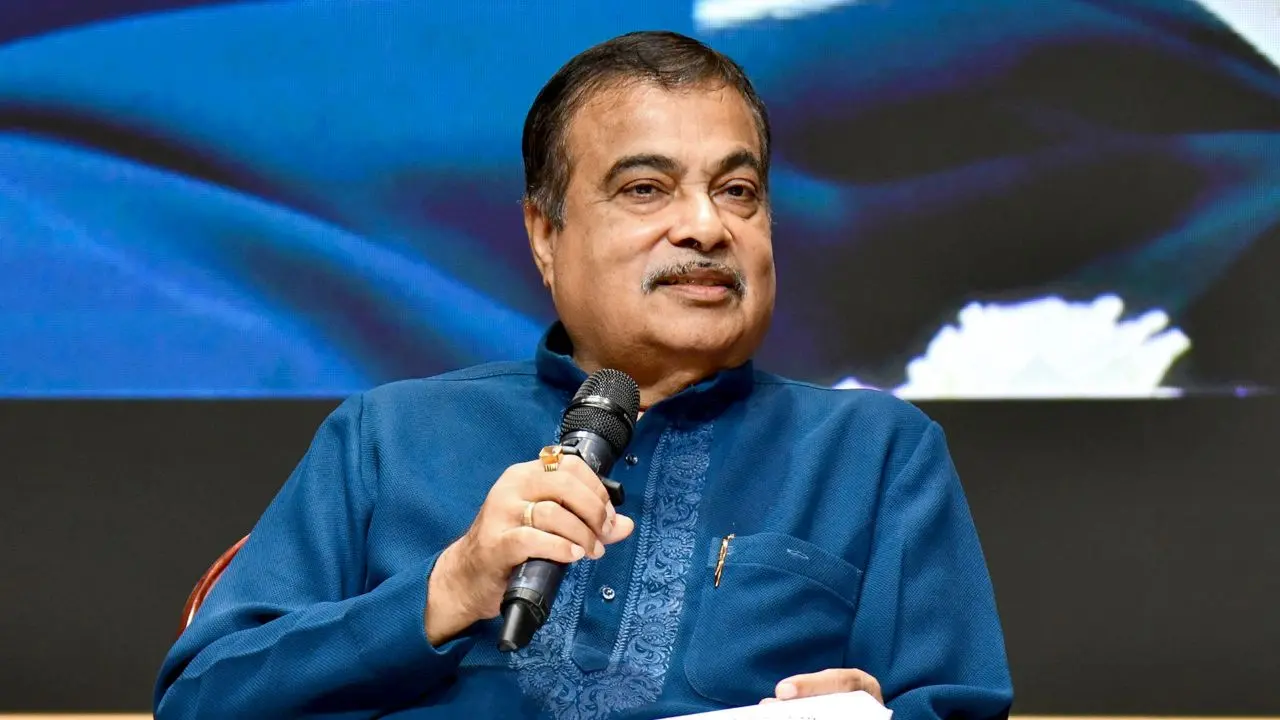
India’s farmers have long battled the twin troubles of low incomes and seasonal air pollution from burning crop stubble. But a game-changing initiative announced by Union Minister Nitin Gadkari promises to turn this waste into a goldmine. Speaking at the India News Manch 2025 conclave in New Delhi, Gadkari unveiled plans to convert stubble into road-building materials and clean fuel, helping farmers earn big while cleaning up the air. No longer just “annadatas” or food providers, farmers will become “urjadatas” for energy and even “bitumendatas” for bitumen. This move tackles the deadly smog in Delhi and northern states head-on, where stubble fires choke cities every winter.

The minister shared exciting updates on 400 bio-CNG projects underway nationwide, with 40 already up and running. These plants turn stubble into compressed natural gas, creating jobs and revenue for rural folk. Farmers can now sell their crop waste instead of burning it, fetching good money per tonne. Gadkari’s vision links farming straight to infrastructure, making roads greener and wallets fatter. It’s a practical fix for a problem that has plagued India for years, blending environment, economy, and engineering.

Tackling the Stubble Crisis

Stubble burning has been a curse for northern India, especially Punjab and Haryana. Every year after the paddy harvest, farmers set fire to leftover stalks to clear fields quickly for the next crop. This sends thick smoke billowing towards Delhi, slashing air quality and sparking health emergencies. Hospitals fill up with breathing problems, schools shut down, and flights get delayed. Courts have cracked down with fines and bans, but enforcement is tough in vast farmlands.

Gadkari’s plan changes the game by giving farmers cash incentives. Completed bio-CNG projects have already gobbled up 60 lakh tonnes of stubble, keeping it out of fields and into factories. Prices for stubble have jumped, with farmers earning up to Rs 2,000 per tonne in some areas. This not only cuts pollution but also boosts rural incomes by 20-30% in pilot zones. Experts hail it as a win-win, proving India can innovate its way out of ecological messes.

The first taste of success came in December 2024 with India’s pioneer bio-bitumen highway on NH-44 in Mansar, Nagpur. Built using lignin tech from Praj Industries and the Central Road Research Institute, this stretch mixes stubble extracts with bitumen for stronger, eco-friendly roads. Tests show it lasts longer and costs less to maintain. More such roads are in the pipeline, aiming to use millions of tonnes of waste annually.

Roads, Buses, and Tech Boost

Gadkari didn’t stop at stubble. He announced ultra-modern electric buses with luxury perks like airplane seats, coffee, tea, fruits, and cold drinks. These will roll out soon, making public transport a joyride and cutting diesel fumes. The government is teaming up with tech giants Microsoft and Google for smart roads and parking systems in cities. Imagine apps that find spots instantly and guide traffic smoothly – no more circling blocks in gridlock.

This fits India’s bigger infra push. Highways are expanding at breakneck speed, with thousands of kilometres added yearly. Bio-materials from stubble will make them sustainable, resisting cracks from heavy rains and trucks. Farmers benefit directly: collection centres are springing up, with contracts guaranteeing steady pay. In states like Uttar Pradesh and Bihar, co-operatives are forming to handle logistics, empowering women and youth too.

The economic ripple is huge. One bio-CNG plant supports 500 jobs and powers 1,000 homes. Scaling to 400 plants could generate lakhs of jobs and save billions in health costs from pollution. Gadkari stressed self-reliance, saying India must shun imports for fuel and materials. It’s a blueprint for other farm wastes like sugarcane bagasse.

India’s Economic Leap Forward

At the same conclave, Union Minister Dr Jitendra Singh painted a rosy picture of India’s rise. From the “Fragile Five” tag a decade ago, the country is now the world’s fourth-largest economy. The IMF predicts India’s nominal GDP will hit $4.187 trillion in 2025, edging past Japan’s $4.186 trillion. In three years, it could overtake Germany for third spot. This growth fuels bold projects like stubble-to-road.

Singh credited reforms in ease of business, digital payments, and manufacturing. Exports are booming, FDI is pouring in, and startups are thriving. Initiatives like this stubble plan show how green growth creates jobs—vital with 80 crore Indians relying on farms. Challenges remain, like scaling tech to small farms and ensuring fair prices. But early wins build trust.

Long or Short, get news the way you like. No ads. No redirections. Download Newspin and Stay Alert, The CSR Journal Mobile app, for fast, crisp, clean updates!

App Store –  https://apps.apple.com/in/app/newspin/id6746449540 

Google Play Store – https://play.google.com/store/apps/details?id=com.inventifweb.newspin&pcampaignid=web_share

Latest News

Popular Videos
