


app-store-logo
play-store-logo
January 14, 2026

PETA India Submits Roadmaps on Humane Management of Dog and Cattle Population to PMO
The CSR Journal Magazine

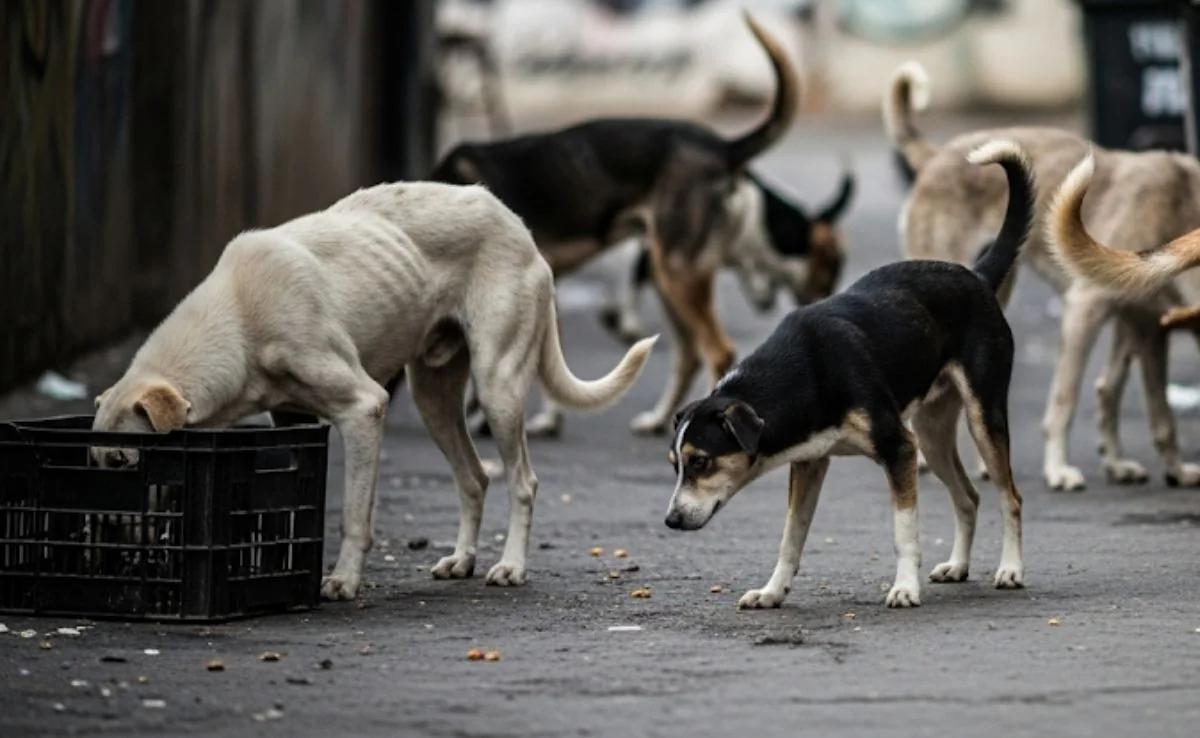
People for the Ethical Treatment of Animals India (PETA India) has written to Prime Minister Narendra Modi, submitting two detailed, science-based roadmaps that offer humane and effective solutions for managing India’s community dog and stray cattle populations—while strongly opposing proposals that rely on lifelong confinement or “jailing” of animals.

In its letters to the Prime Minister, PETA India enclosed its Roadmap for Humane Management of Community Dogs in India and its Roadmap for Humane Management of Stray Cattle in India, both grounded in the principles of Ahimsa and Vasudhaiva Kutumbakam. The roadmaps set out scientific, preventive, lawful, and evidence-based approaches to population management. At the same time, PETA India has raised serious concerns regarding an Animal Welfare Board of India SOP to confine community dogs for life in enclosures of 20 square feet per animal—approximately the size of a traditional funeral pyre, a fitting metaphor as incarcerating dogs in these shelters is tantamount to sentencing them to death.

Animal-welfare experts warn that caging dogs like this would institutionalise cruelty, increase the risk of zoonotic disease, divert public resources away from the requirements of the Animal Birth Control Rules 2023—i.e. sterilisation and vaccination against rabies—and inevitably collapse under its own weight. With an estimated 62 million free-roaming dogs in India, there is no infrastructure, funding, or administrative capacity to confine even a fraction of the population without causing mass suffering and public-health risks.

“Confining dogs for life in spaces the size of a funeral pyre is not scientific population management—it is incarceration,on death row.” said Vikram Chandravanshi, Senior Policy and Legal Advisor to PETA India. “The roadmaps show how India can manage dog and cattle populations effectively by addressing root causes like the cruel pet trade and dairies dumping cows onto the streets without resorting to cruelty.”

For dogs, PETA India emphasises that mass confinement would undermine the lawful implementation of the Animal Birth Control (ABC) Rules, 2023, diverting the funds and manpower away from sterilisation, rabies vaccination, and adoption. Overcrowded facilities used for long-term confinement also increase the risk of infectious disease outbreaks, including canine distemper, parvovirus, kennel cough, and zoonotic infections such as Salmonella and Leptospira, while worsening human–animal conflict as dogs react to the fear of being abducted.

Alongside dogs, PETA India has also addressed the management of stray cattle, stressing that confinement does not address the root cause of the stray cattle crisis: abandonment by dairies. Male calves are routinely abandoned at birth, and female cattle are discarded once milk yields decline. Already overcrowded and under-resourced gaushalas cannot absorb this continuous influx, and relocation merely shifts the burden without stopping abandonment.

The cattle roadmap calls for strict enforcement against illegal dairies, meaningful penalties for abandonment, traceability of cattle to their source, regulation of gaushalas to prevent breeding, and long-term policies that reduce pressure on the dairy sector while supporting Indian farmers and entrepreneurs—such as the promotion of the production and consumption of milk made from millets and other plants.

What the Roadmaps Propose:

For community dogs: time-bound, area-wide implementation of the ABC Rules, 2023; expansion via smaller-scale sterilisation and rabies-vaccination capacity; closure of illegal breeders and pet shops; prohibition of foreign dog breeds bred for use in illegal dogfights; protection of community feeders; and strong government incentives for adoption.

For stray cattle: stronger penalties against abandonment; closure of illegal dairies; traceability and accountability mechanisms back to dairies; regulation of gaushalas to prevent breeding and food policies promoting plant-based milk production to reduce dependency on milk from cattle and eventually reducing the cattle numbers.

PETA India has also written to Chief Secretaries of all States and Union Territories, urging them to implement the recommendations of the roadmaps.

Disclaimer: This media release is auto-generated. The CSR Journal is not responsible for the content.

Long or Short, get news the way you like. No ads. No redirections. Download Newspin and Stay Alert, The CSR Journal Mobile app, for fast, crisp, clean updates!

App Store – https://apps.apple.com/in/app/newspin/id6746449540

Google Play Store – https://play.google.com/store/apps/details?id=com.inventifweb.newspin&pcampaignid=web_share

Latest News

Popular Videos
