


Personal Loans vs Credit Cards: Choosing the Right Option for Your Financial Needs
The CSR Journal Magazine

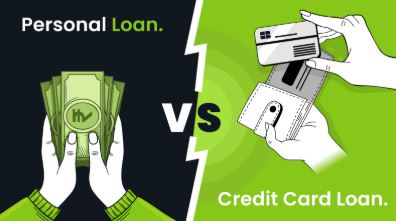
In times of sudden financial necessity, individuals often consider personal loans and credit cards as viable options for quick funding. The choice between the two can significantly impact expenses and repayment ability. When faced with smaller, immediate expenditures, credit cards tend to be a more suitable option. On the other hand, for larger expenses that require more time to repay, personal loans may be the safer alternative, providing structured repayment plans and lower interest rates.

Advantages of Credit Cards

Credit cards offer several benefits for urgent financial situations. They enable instant access to funds without the need for elaborate application processes typical of personal loans. Users can make small purchases and benefit from additional perks such as reward points or cashback on spending. Moreover, credit cards usually come with a grace period, allowing cardholders to avoid interest charges if the total amount is paid off within a specified time frame. This makes credit cards an attractive solution for smaller, unforeseen expenses that may arise unexpectedly.

Benefits of Personal Loans

Personal loans provide a different set of advantages, particularly for significant financial needs. Unlike credit cards, personal loans typically offer a fixed interest rate, leading to predictable monthly payments over a predetermined period. This predictability can be beneficial for budgeting purposes. Additionally, personal loans are generally more suitable for larger purchases, such as medical expenses, home renovations, or debt consolidation. The terms are often tailored to accommodate the borrower’s repayment capacity, resulting in a more manageable financial commitment over time.

Interest Rates and Fees

Another key factor to consider in the comparison is the interest structure and associated fees. Credit cards often come with higher interest rates, particularly if the balance is not paid off in full during the grace period. Late payments can also incur additional charges, further complicating financial management. Conversely, personal loans tend to have lower interest rates since they are secured by the borrower’s ability to repay. Borrowers should evaluate their individual financial situations to determine which option minimizes their long-term costs.

Impact on Credit Score

Using credit cards can impact an individual’s credit score in both positive and negative ways. Responsible usage, such as timely payments, can boost one’s creditworthiness, while high credit utilization can lower it. Personal loans, on the other hand, also affect credit scores but in a different manner. A successful repayment of a personal loan can positively influence credit scores, indicating reliability to future lenders. However, defaulting on any loan or credit card obligation can have serious repercussions on credit reports.

Deciding the Right Option

The decision between a personal loan and a credit card should ultimately be based on the nature and size of the financial requirement. For smaller, immediate needs where quick access to funds is essential, a credit card may prove to be advantageous. However, for larger expenses that necessitate extended repayment periods, opting for a personal loan could be the more prudent choice. It is crucial for potential borrowers to consider their repayment ability, the interest rates involved, and their broader financial health before making a decision.

Long or Short, get news the way you like. No ads. No redirections. Download Newspin and Stay Alert, The CSR Journal Mobile app, for fast, crisp, clean updates!

App Store –  https://apps.apple.com/in/app/newspin/id6746449540 

Google Play Store – https://play.google.com/store/apps/details?id=com.inventifweb.newspin&pcampaignid=web_share

Latest News

Popular Videos
