


app-store-logo
play-store-logo
February 24, 2026

Pakistan’s Military Airstrikes in Afghanistan Amid Rising Violence
The CSR Journal Magazine

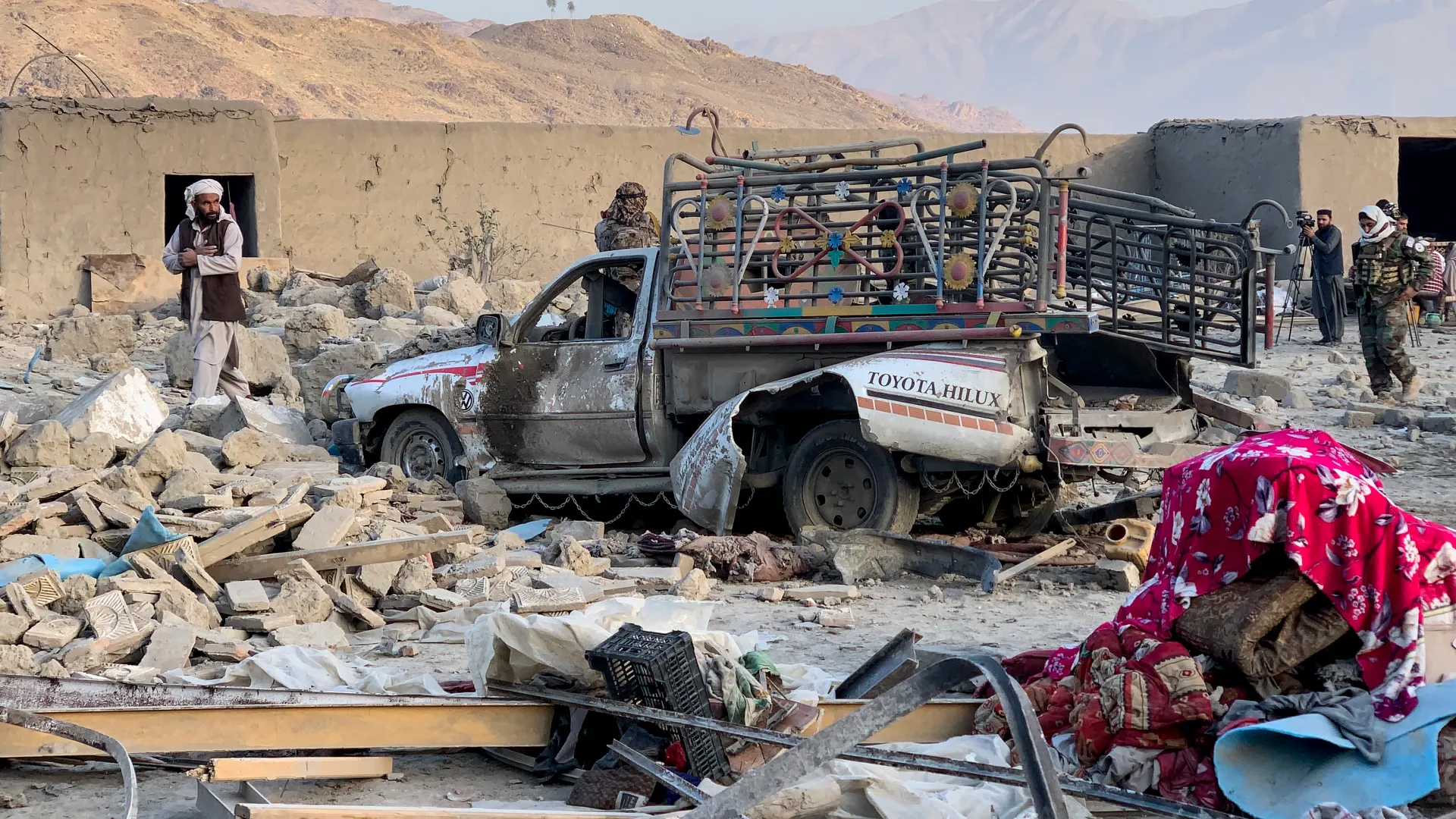
Islamabad has recently intensified military operations in Afghanistan, launching air raids that have disrupted a fragile ceasefire. The Pakistani military conducted these air strikes following a series of violent attacks within its borders, contributing to an already tense and volatile situation. The latest air strikes occurred on February 22, 2026, killing civilians and reportedly targeting suspected militant camps in Nangarhar and Paktika provinces.

Recent Attacks Prompt Military Response

Prior to the air strikes, Pakistan experienced an alarming rise in domestic violence. On February 6, a suicide bombing at a Shia mosque in Islamabad resulted in 36 fatalities and 170 injuries. Following that, additional attacks included a vehicle bombing at a security post in Bajaur, claiming the lives of 11 Pakistani soldiers and a child. These incidents prompted Islamabad to issue a formal communication to Taliban officials on February 19, expressing its concerns over security lapses.

Claims of Militants’ Haven in Afghanistan

In response to the escalating violence, the Pakistani military stated that its air raids targeted “camps and hideouts” of the Tehrik-i-Taliban Pakistan (TTP) and its affiliates. Pakistani authorities claim to have eliminated about 80 militants during the operations, although the Afghan government has disputed these figures, asserting that civilian areas, including a religious school, were struck, leading to numerous casualties including women and children.

Diplomatic Outrage and Suggestions of External Failures

Following the attacks, India condemned the Pakistani airstrikes and reinforced its support for Afghanistan’s territorial integrity. A spokesperson for India’s Ministry of External Affairs criticized Pakistan’s actions during Ramadan and suggested they were attempts to deflect attention from its internal challenges. This incident highlighted the complex relationship between India and Afghanistan, especially amid Pakistan’s mounting security concerns regarding the Taliban’s governance.

Continued Tension and the Search for Dialogue

The recent air strikes have disrupted a ceasefire agreement brokered by Qatar and Turkey, which had been established following talks late last year aiming for stability along the Afghanistan-Pakistan border. Pakistani officials have consistently accused the Taliban of allowing militant groups to operate against Pakistan from within its borders; however, Taliban officials have repeatedly denied these allegations.

Historical Context and Future Strategies

The TTP, which has emerged as a significant threat to Pakistan, shares ideological ties with the Taliban but operates independently. The Pakistani military has voiced its frustrations regarding the lack of action from Kabul against such groups. With violent incidents on the rise, there is increasing pressure on the Pakistan military to respond decisively while navigating the complex geopolitical landscape of the region.

Analysis of Long-Term Security Challenges

Experts observe that Pakistan’s military actions could inadvertently strengthen ties between the Taliban and the TTP, complicating the security situation further. While analysts argue that military solutions alone are insufficient, they also stress the need for broader diplomatic efforts to address the underlying issues contributing to ongoing violence. The humanitarian aspect of the crisis, with civilian casualties mounting, highlights the urgent need for a multifaceted approach to resolve the conflict.

Long or Short, get news the way you like. No ads. No redirections. Download Newspin and Stay Alert, The CSR Journal Mobile app, for fast, crisp, clean updates!

App Store –  https://apps.apple.com/in/app/newspin/id6746449540 

Google Play Store – https://play.google.com/store/apps/details?id=com.inventifweb.newspin&pcampaignid=web_share

Latest News

Popular Videos
