


Pakistan Agrees to Host US-Iran Talks Following Regional Diplomacy Meeting
The CSR Journal Magazine

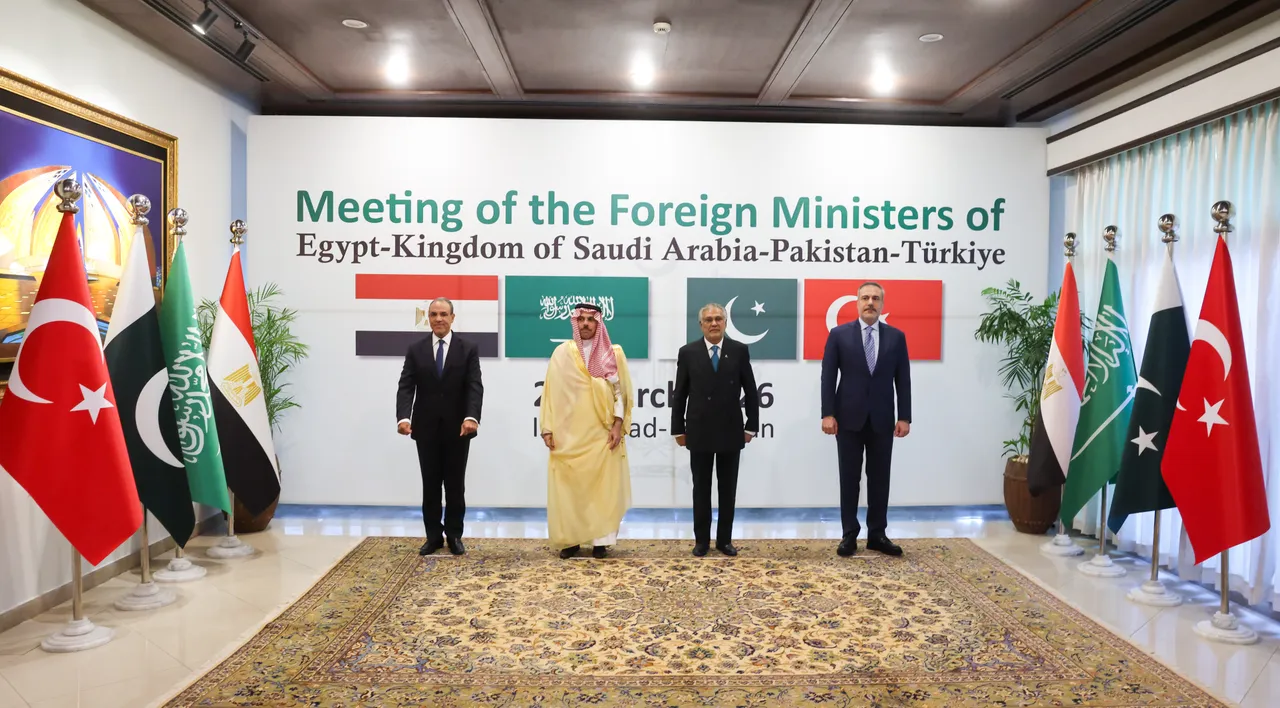
Pakistan announced on Sunday its readiness to facilitate “meaningful talks” between the United States and Iran in Islamabad within the coming days. This decision highlights Pakistan’s role in a growing diplomatic effort aimed at resolving the escalating regional conflict. Foreign Minister Ishaq Dar made this announcement after discussions with the foreign ministers from Saudi Arabia, Turkey, and Egypt, emphasizing the need for a prompt and permanent halt to hostilities, along with potential direct dialogue between Washington and Tehran.

Dar expressed Pakistan’s honor in hosting such talks, stating that the goal is to achieve a comprehensive and lasting resolution to the ongoing conflict. However, it remains unclear whether both the United States and Iran have agreed to take part in these discussions, as neither the White House nor the U.S. State Department provided immediate comments on the matter.

Iran’s Stance and Regional Developments

The announcement from Pakistan coincided with a hardening of Iran’s position towards the United States. Iranian parliament speaker Mohammad Baqer Qalibaf criticized the U.S. for allegedly pursuing negotiations while simultaneously preparing for potential military action. He asserted that as long as the U.S. seeks Iran’s capitulation, Iran will not accept any form of humiliation.

Initial discussions in Islamabad reportedly addressed the possibility of reopening the Strait of Hormuz, which has been largely blockaded by Iran following attacks by the U.S. and Israel that began on February 28. The ongoing conflict has heightened tensions in global oil and gas markets as hostilities continue into a second month.

Military Escalation and Continued Conflict

The conflict shows no signs of abating, with Israel conducting over 140 airstrikes in central and western Iran over the past 24 hours. These strikes targeted various military assets, including ballistic missile launchers and storage facilities. In retaliation, Iran launched fresh missile attacks, including strikes near Beer Sheva in southern Israel, which resulted in injuries and hazardous material warnings following damage to a chemical plant.

Additionally, the situation has escalated with Yemen’s Iran-aligned Houthis initiating their first assaults on Israel, raising concerns about potential disruptions in the Bab el-Mandeb Strait, a crucial maritime route. In response to escalating tensions, the United States has begun deploying additional Marines to the Middle East, with the first groups arriving on amphibious assault ships. U.S. officials mentioned that the Pentagon is preparing for the possibility of prolonged ground operations in Iran, though no formal approval from President Donald Trump has been given for such actions.

Active Diplomatic Efforts Amid Military Tensions

Despite the rising military tensions, diplomatic initiatives remain in motion. Last week, the United States put forward a 15-point ceasefire proposal that included reopening the Strait of Hormuz and regulating Iran’s nuclear activities. However, Iran rejected this proposal and responded with its own set of counterproposals, indicating a complex and continuing dialogue between the involved parties.

Long or Short, get news the way you like. No ads. No redirections. Download Newspin and Stay Alert, The CSR Journal Mobile app, for fast, crisp, clean updates!

App Store –  https://apps.apple.com/in/app/newspin/id6746449540 

Google Play Store – https://play.google.com/store/apps/details?id=com.inventifweb.newspin&pcampaignid=web_share

Latest News

Popular Videos
