


OpenAI’s CEO Sam Altman Suggests Robot Tax to Offset AI’s Impact on Jobs
The CSR Journal Magazine

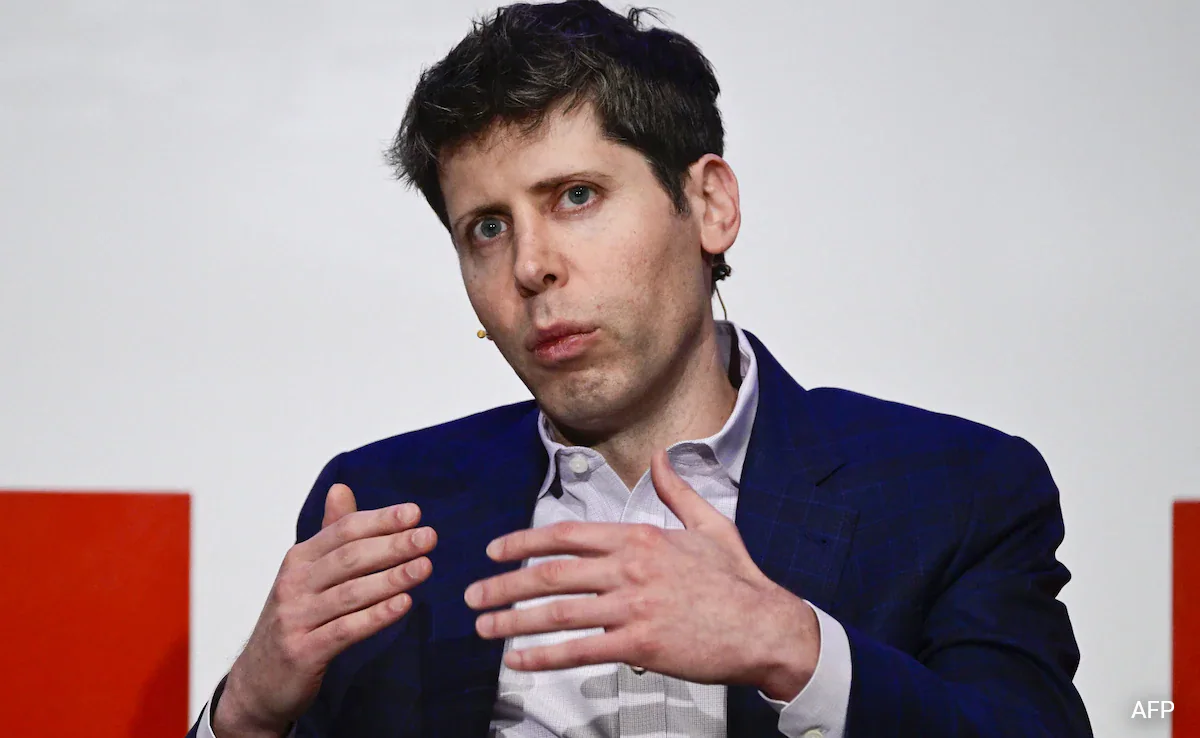
Sam Altman, the CEO of OpenAI, has proposed the taxation of robots as artificial intelligence progressively takes over tasks traditionally carried out by humans. As AI systems advance in capability, the landscape of employment is being notably altered, with machines becoming capable of performing complex tasks that were once exclusively human responsibilities.

Currently, many economies rely on human labour for generating tax revenues, primarily through income tax and payroll contributions. The rise of AI might diminish the number of jobs available, thereby threatening the tax base. Consequently, Altman argues that a fresh approach is required in the way taxation is structured to adequately address these changes.

The implications of AI on the workforce are significant, raising discussions about economic inequality. Many have expressed concerns that while corporations may benefit from increased productivity, the broader societal impact could result in a disproportionate wealth distribution where a select few gain, leaving many struggling.

Rationale Behind Taxing AI-Driven Labour

The idea to tax robots stems from a broader policy framework outlined in OpenAI’s publication titled “Industrial Policy for the Intelligence Age.” The document articulates the need for economies to adapt to the sweeping changes AI brings to labour and productivity. Altman highlights that as machines start to eclipse human capabilities, the foundation of traditional taxation systems may need re-evaluation.

Altman’s perspectives resonate with those of other leading figures in technology. Elon Musk has previously indicated that the future of work may become optional in the next one to two decades, envisioning a time when automation meets most human requirements. Similarly, Bill Gates suggests that the automation trends could exacerbate societal inequalities and proposes robot taxation as a potential solution to counteract this issue.

This concept does not imply that AI systems would directly pay taxes, which is logistically unfeasible. Instead, Altman suggests that the tax framework should be adjusted to encompass capital-based taxation, targeting corporate income and gains associated with AI operations. By shaping tax policy in this manner, wealth concentration among companies controlling AI technologies can be mitigated.

Future Economic Structures: Public Wealth Funds and More

One of the significant proposals from OpenAI is the creation of a Public Wealth Fund. This fund aims to provide every citizen with a stake in the economic growth driven by AI, regardless of their direct involvement with financial markets. The intent is to ensure that the benefits arising from AI advancements are distributed equitably across society.

Furthermore, the framework suggests recognising access to AI as a foundational right, similar to essential utilities like water and electricity. OpenAI argues that such recognition is crucial for ensuring all individuals can participate in the evolving economy, fostering inclusion and reducing barriers.

The vision for human employment in this AI-dominated future focuses on transforming jobs rather than eliminating them. The automation of routine and labour-intensive functions is expected to enable humans to concentrate on roles that require empathy and personal interaction, such as healthcare and education. While AI will assist in administrative tasks, human qualities remain vital in these domains.

However, while this vision may seem promising, OpenAI forewarns that the transition will inevitably disrupt existing jobs and industries. Without appropriate policies in place, the risks of escalating inequality could outweigh the potential benefits, making strategic intervention essential for a smoother evolution towards an AI-integrated economy.

Long or Short, get news the way you like. No ads. No redirections. Download Newspin and Stay Alert, The CSR Journal Mobile app, for fast, crisp, clean updates!

App Store –  https://apps.apple.com/in/app/newspin/id6746449540 

Google Play Store – https://play.google.com/store/apps/details?id=com.inventifweb.newspin&pcampaignid=web_share

Latest News

Popular Videos
