


Nepal Flash Floods Devastate Villages Near Tibet Border
The CSR Journal Magazine

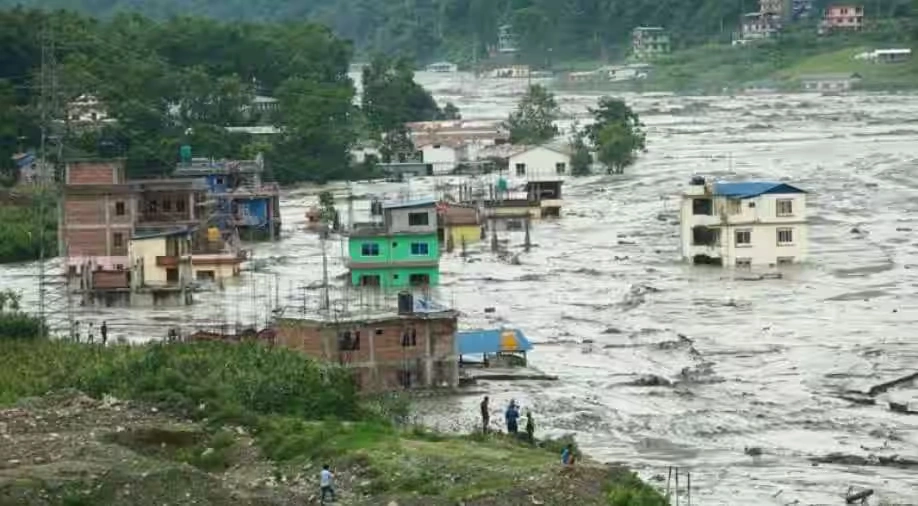
The recent flash floods in Nepal have caused extensive damage to numerous villages and projects situated near the border with Tibet. Initial reports indicate that several areas have been significantly affected, leading to concerns about the safety of the local population. The floods have reportedly swept away critical infrastructure, affecting the livelihood of many families. Rescue efforts are ongoing as authorities assess the full extent of the disaster.

Residents have been urged to evacuate to safer locations as rising waters threaten further destruction. Local government officials and emergency services have mobilised to provide assistance and facilitate evacuations where necessary. The situation remains fluid, with ongoing assessments being conducted to gauge the impact on affected communities.

The floods have disrupted essential services such as electricity, water supply, and communication networks, complicating rescue efforts. Many individuals and families are currently isolated due to blocked roads and damaged bridges, raising concerns about shortages of food and medical supplies. Volunteers and local organisations are rallying to provide support in these challenging circumstances.

Casualties and Missing Persons

The emotional toll on families in the region is significant, as many are grappling with the loss of loved ones and the destruction of their homes. Psychosocial support will be crucial in the coming weeks as communities begin to process the impact of this disaster. Local health officials are preparing to address potential health crises stemming from the aftermath of the floods.

As information continues to trickle in, officials are emphasising the need for a coordinated response. They are appealing to the national government and international aid organisations for support to facilitate relief efforts and provide necessary resources for recovery. The situation is being monitored closely, and updates will be provided as more details become available.

Long-Term Consequences and Recovery Efforts

In addition to immediate relief needs, the long-term consequences of the flash floods may pose significant challenges for recovery in the affected areas. Rebuilding infrastructure and restoring services will require considerable resources and coordinated efforts. Experts suggest that the rebuilding process will take time and should incorporate strategies to enhance resilience against future disasters.

The impact on local agriculture could also be considerable, affecting food supplies and livelihoods. Farmers who rely on the land for their income face an uncertain future as they deal with the aftermath of the floods. Evaluating agricultural losses will be essential in shaping recovery strategies to assist impacted communities.

Given the geographic location, Nepal has a history of vulnerability to natural disasters, raising questions about preparedness and response mechanisms. An analysis of the current situation could lead to improvements in disaster management strategies and infrastructure development in the future. For now, the focus remains on immediate assistance and ensuring the safety of those affected by this devastating event.

Long or Short, get news the way you like. No ads. No redirections. Download Newspin and Stay Alert, The CSR Journal Mobile app, for fast, crisp, clean updates!

App Store –  https://apps.apple.com/in/app/newspin/id6746449540 

Google Play Store – https://play.google.com/store/apps/details?id=com.inventifweb.newspin&pcampaignid=web_share

Latest News

Popular Videos
