


app-store-logo
play-store-logo
March 13, 2026

Navigating the Strait of Hormuz: Navjot Singh on Strategy, Risks, and Global Impact
The CSR Journal Magazine

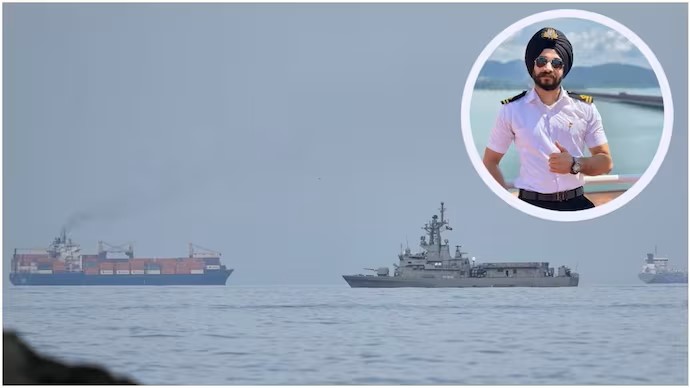
The Strait of Hormuz, a crucial waterway situated in the Persian Gulf, has gained significant attention amid ongoing geopolitical tensions in the region. This narrow passage not only serves as a vital route for the transit of oil and gas shipments but also connects the Arabian Sea and the Persian Gulf. An increasing level of concern surrounds the potential for military actions in the area, raising fears that vessels could be targeted by missiles or torpedoes at any moment. To gain a better understanding of the conditions usually experienced while navigating this route, a second officer from the Merchant Navy, Navjot Singh, provided valuable insights based on his experiences.

Navjot Singh’s Experiences

Navjot Singh detailed that he has traversed the Strait of Hormuz numerous times since 2015, primarily aboard oil tankers and gas carriers. His regular operations in this region have made traveling through this important waterway a routine aspect of his maritime career. Singh emphasized that while the experience may seem ordinary, the geographical characteristics and environmental conditions render this route unique.

Geographical Distinctions of the Strait

While on a vessel, the vastness of the sea predominantly surrounds the crew, making it challenging to perceive notable differences compared to other maritime routes. However, the geographical identity of the Strait of Hormuz stands out with its higher temperatures and proximity to dry mountain ranges. The strait offers secure anchorage options such as Khor Fakkan and Fujairah, where ships often anchor until they receive subsequent navigation orders. Despite the depth of the waters, which generally makes anchoring risky, many vessels stop in this area due to its predominantly calm seas.

Strategic Navigation Preferences

As tensions have risen, maritime navigation strategies have adapted. Singh noted that various shipping companies historically favored positioning their vessels closer to the southern shores of the strait to mitigate potential confrontations with the Iranian Navy. The Strait approaches under the cautious observation of shipping companies due to its geopolitical context.

Proximity to Abu Musa Island

Singh explained that merchants historically opt to maintain a safe distance from Abu Musa Island, which lies on the path when entering the strait from the Persian Gulf. The island is currently under Iranian control, though it is also claimed by the UAE. Consequently, ships often navigate to avoid interactions with the island, safeguarding against any territorial disputes.

Challenges in the Strait

Despite the generally favorable weather conditions, navigating the Strait of Hormuz is not devoid of challenges. The narrowness of the waterway necessitates careful maneuvering, particularly given the high volume of maritime traffic. Additionally, local fishing boats and speedboats often share the same waters, posing potential hazards. Military exercises and the presence of submarines in proximity to anchorage areas further complicate navigation efforts. Although the Strait may visually resemble other sea routes from a distance, its strategic significance and dense traffic require vigilant navigation and planning.

Long or Short, get news the way you like. No ads. No redirections. Download Newspin and Stay Alert, The CSR Journal Mobile app, for fast, crisp, clean updates!

App Store –  https://apps.apple.com/in/app/newspin/id6746449540 

Google Play Store – https://play.google.com/store/apps/details?id=com.inventifweb.newspin&pcampaignid=web_share

Latest News

Popular Videos
