
When we hear the phrase “most venomous animal,” it’s easy to imagine a single undisputed winner. In reality, the title depends on how venom is measured, as toxicity, speed of action, or actual danger to humans. Across land and sea, evolution has produced creatures whose venoms can stop hearts, paralyze lungs, or destroy tissue within minutes. These animals are not evil by nature; their toxins are tools for survival, defense, and ecological balance.
From nearly invisible jellyfish to vividly colored frogs and stealthy marine snails, here are the top five deadliest venomous animals in the world, ranked by lethality, potency, and real-world human risk.
1. Australian Box Jellyfish (Chironex fleckeri)
The Most Lethal Venom on Earth
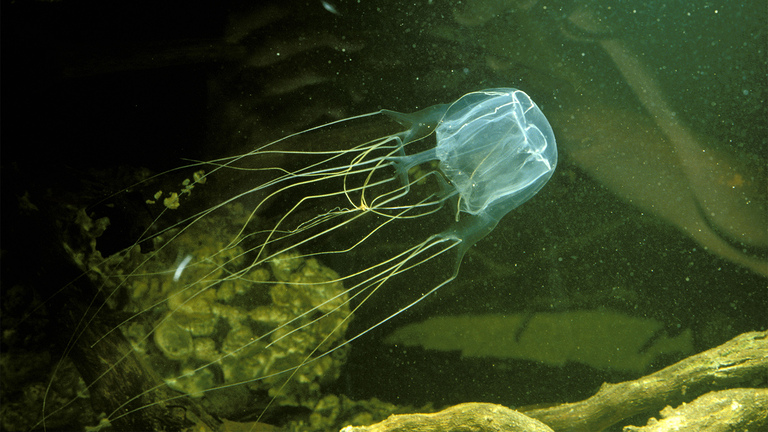
Widely regarded as the most dangerous venomous animal overall, the Australian box jellyfish inhabits tropical waters of Australia and Southeast Asia. Almost transparent, it is notoriously difficult to see, making accidental encounters tragically common.
Its cube-shaped bell supports up to 60 tentacles, each stretching up to three meters and lined with thousands of venom-injecting cells called cnidocytes. The venom attacks the heart, nervous system, and skin cells simultaneously, causing unbearable pain, paralysis, shock, and cardiac arrest, sometimes within minutes.
More than 70 human deaths have been documented in Australia alone, with victims often collapsing before reaching shore. Despite its fearsome reputation, the box jellyfish plays an important ecological role by controlling fish populations in coastal ecosystems.
2. Golden Poison Dart Frog (Phyllobates terribilis)
The Deadliest Animal You Could Fit in Your Hand
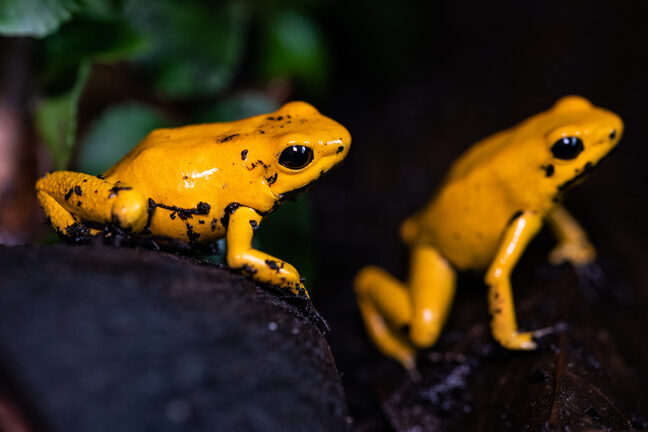
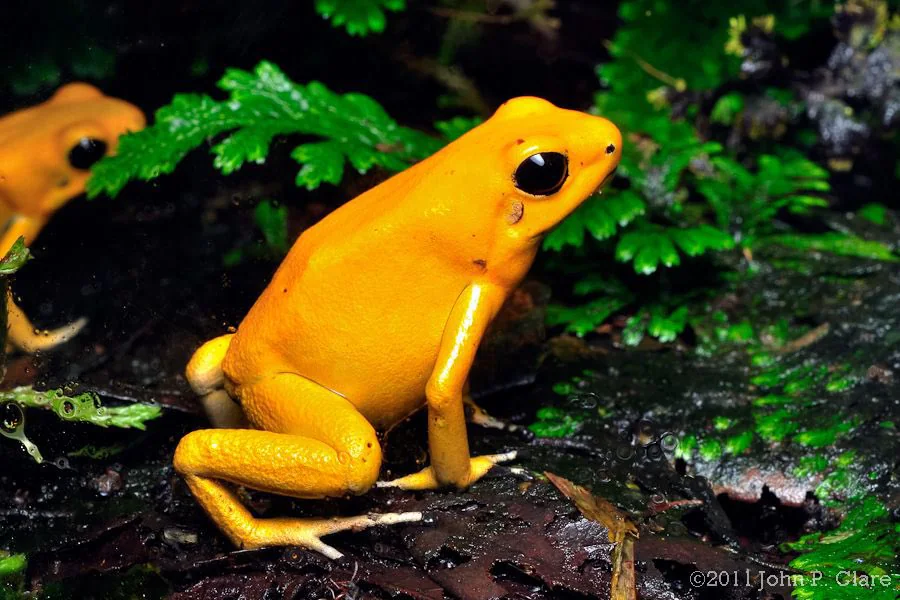
Brilliant yellow and deceptively small, the golden poison dart frog is one of the most toxic land animals on Earth. Found only in Colombia’s rainforests, its skin secretes batrachotoxin, a neurotoxin capable of killing 10 to 20 adult humans.
Remarkably, the frog does not produce the toxin itself. It accumulates it through its diet of toxic ants and beetles. Frogs raised in captivity without this diet are completely harmless. Indigenous communities historically used the frog’s poison to coat hunting darts.
While direct human deaths are rare today, deforestation threatens the fragile ecosystems that make this frog’s toxicity possible. The species also helps control insect populations, making it ecologically invaluable.
3. Inland Taipan (Oxyuranus microlepidotus)
The World’s Most Venomous Snake, But Not the Deadliest
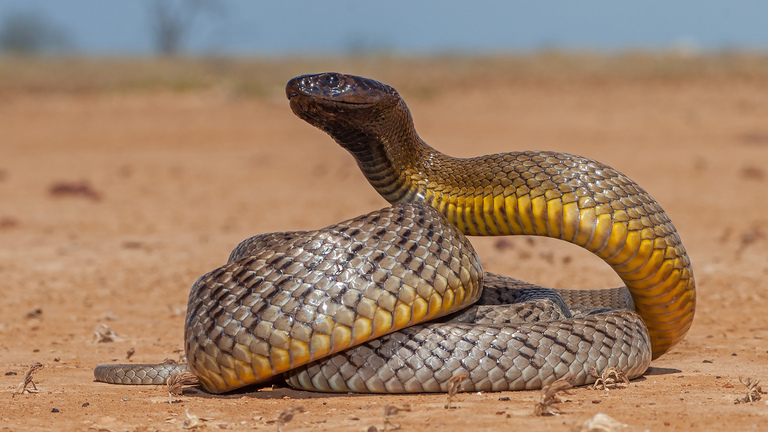
The inland taipan holds the record for the most potent snake venom ever measured. A single bite contains enough venom to kill up to 100 humans or 250,000 mice. Its venom is a devastating mix of neurotoxins and hemotoxins that paralyze prey and prevent blood clotting.
Despite this, there are zero confirmed human deaths from inland taipan bites. The snake is shy, reclusive, and lives in remote Australian deserts, rarely encountering people. Its primary ecological role is controlling rodent populations, helping maintain balance in harsh environments.
4. Blue-Ringed Octopus (Hapalochlaena spp.)
Small, Stunning, and Deadly
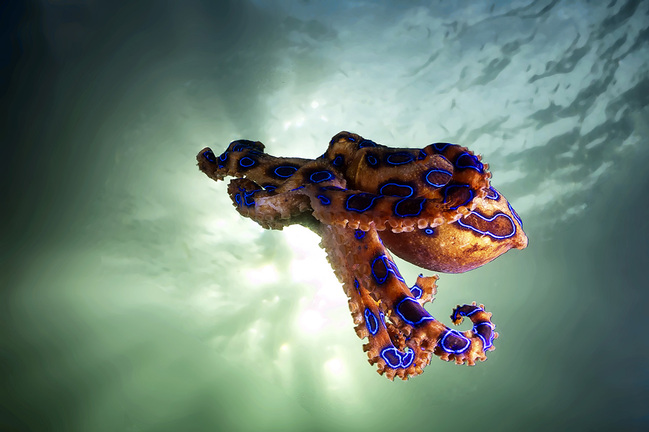
The blue-ringed octopus is no larger than a tennis ball, yet it carries one of the most dangerous venoms known to science. Found in the Indo-Pacific, it flashes glowing blue rings as a warning before delivering a bite containing tetrodotoxin.
This powerful neurotoxin can cause total paralysis and respiratory failure within minutes. There is no known antidote, and the venom is potent enough to kill up to 26 humans. Several fatalities have been recorded, often after people unknowingly handled the animal.
The octopus plays a key role in reef ecosystems by controlling crustacean populations, but coral reef degradation now threatens its survival.
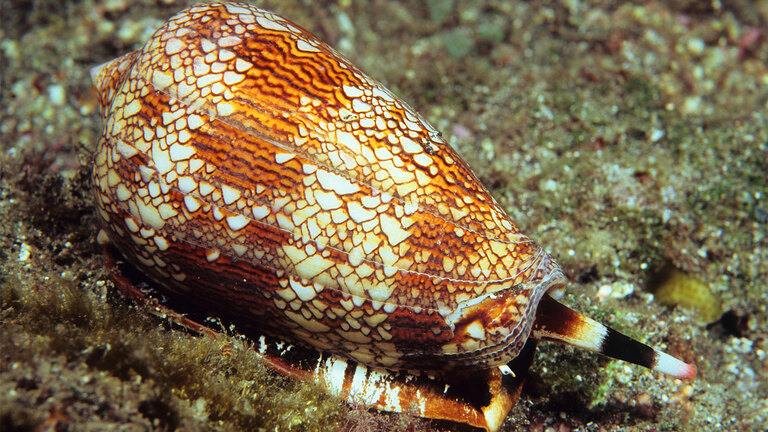
5. Geography Cone Snail (Conus geographus)
The Beautiful Shell That Shoots Venom Harpoons