


app-store-logo
play-store-logo
February 24, 2026

National Green Tribunal Examines Plastic Pollution from Bottle Caps, Issues Notices to Authorities

The CSR Journal Magazine

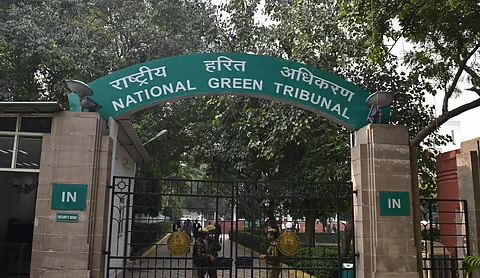
The National Green Tribunal (NGT) has taken note of growing environmental concerns related to plastic bottle caps, commonly used in packaged drinking water and beverage containers. During a recent hearing, the tribunal emphasized that while plastic bottles are widely recycled, their detachable caps often escape collection and recycling systems, contributing significantly to litter and environmental pollution.

Concerns Raised Over Detachable Caps

The issue was brought before the tribunal through an application filed by Aakash Ranison, highlighting that small plastic caps frequently evade waste management mechanisms due to their size. Counsel for the applicant explained that these caps often end up as litter in urban and rural areas alike, worsening the problem of plastic pollution.

To address this concern, the application cited international practices where “tethered caps” are mandated. This design ensures that caps remain attached to the bottles, making it easier for them to be collected and recycled along with the containers, thereby reducing environmental hazards.

Tribunal Directs Respondents to Submit Replies

The session was presided over by Justice Prakash Shrivastava, Chairperson of the NGT, along with Expert Member Dr. Afroz Ahmad. In response to the concerns raised, the tribunal issued notices to key respondents, including the Central Pollution Control Board (CPCB) and other relevant authorities.

These entities have been instructed to submit their responses via affidavits ahead of the next hearing. The tribunal also directed the applicant to serve copies of the application to all respondents and submit an affidavit confirming the service at least a week prior to the scheduled hearing.

Linkage with Broader Plastic Waste Management Issues

The tribunal highlighted that broader concerns regarding plastic waste management and the Extended Producer Responsibility (EPR) framework are currently being examined in other ongoing cases. Recognizing the interconnected nature of these environmental challenges, the NGT decided to consolidate this matter with related cases for hearing on February 26.

Justice Shrivastava emphasized the importance of adopting proactive measures to reduce plastic pollution, stating that effective regulatory interventions could prevent caps from contributing to litter in waterways, soil, and public spaces.

Global Practices and Recommendations

The tribunal noted that several countries have successfully reduced plastic pollution by mandating tethered caps on beverage bottles. The approach ensures that caps are not discarded separately and are included in standard recycling processes, increasing overall collection rates.

Environmental experts welcomed the NGT’s intervention, pointing out that small but ubiquitous items like bottle caps can accumulate rapidly, posing hazards to terrestrial and aquatic ecosystems. They recommended strict adherence to EPR obligations, including incentives for producers to adopt environmentally friendly designs.

Next Steps

The tribunal is expected to review the responses from CPCB and other authorities during the upcoming hearing. The outcome could set important precedents for the regulation of small plastic components and reinforce accountability under India’s EPR framework.

The NGT’s move underscores the judiciary’s proactive stance in addressing environmental issues that, while seemingly minor, can have cumulative and long-term impacts on public health and ecosystem sustainability.

Long or Short, get news the way you like. No ads. No redirections. Download Newspin and Stay Alert, The CSR Journal Mobile app, for fast, crisp, clean updates!

App Store –  https://apps.apple.com/in/app/newspin/id6746449540 

Google Play Store – https://play.google.com/store/apps/details?id=com.inventifweb.newspin&pcampaignid=web_share

Latest News

Popular Videos