


MRI Machines Expected to Experience Price Increase Amid Global Conflicts
The CSR Journal Magazine

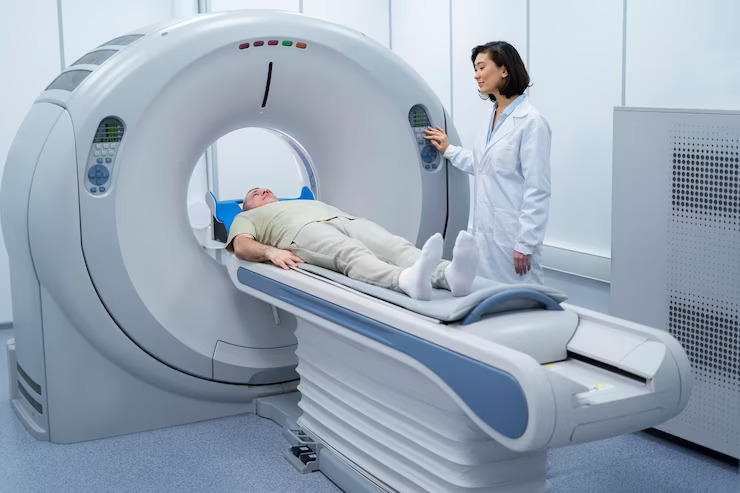
The ongoing conflict in West Asia is impacting the medical tourism industry, leading to a slowdown in growth. Medical experts indicate that disruptions in supply chains have resulted in rising costs of essential materials, particularly plastics. Despite these challenges, the anticipated increase in the prices of new MRI machines is expected to be minimal. Dr. Harsh Mahajan, Mentor at FICCI Health Sector and Founder and Chairman of Mahajan Imaging and Labs, clarified that while costs for MRI scans for patients are likely to remain unaffected, there may be a slight uptick in the price of new machines.

Liquid Helium and MRI Machines

Dr. Mahajan explained that modern MRI machines necessitate around 1,500 liters of liquid helium for their initial filling, which mitigates the impact of helium price increases on new machine costs. He emphasized that helium is not a consumable item; hence, MRI scanners made in the last 15 years feature ‘Zero Boil Off’ technology that allows for long intervals between refills. Typically, these units require a top-up every four to six years. He noted that the price range for superconducting high-field MRI machines is between 7 and 20 crores and that helium price fluctuations have a negligible effect on the overall pricing of new devices.

Surge in Plastic Raw Material Prices

Himanshu Baid, Managing Director of Poly Medicure Limited, highlighted a substantial price increase in plastic raw materials, which has surged by 40-50%. This escalation is causing disruptions in manufacturing processes and may lead to shortages of critical medical supplies. Baid warned that without timely intervention, the medical sector could experience severe challenges in sourcing essential materials.

Medical Sector Growth Affected by Patient Decline

Anil Vinayak, Group Chief Operating Officer of Fortis Healthcare, noted that the ongoing conflict in the Middle East is contributing to a noticeable decline in patient visits. He reported a 75% drop in patient footfall from the region. Vinayak explained that the initial days of the conflict saw minimal impact since many patients had already arrived for treatment; however, subsequent weeks have shown a sharp decrease in new patients. A comparison of the last ten days of February with the first ten days of March indicated a drop in Middle Eastern patients by 75%.

Predicted Revenue Impact on Medical Tourism

According to Vinayak, the international medical tourism revenue may decrease by approximately 15-20% in the current month. He emphasized that flight availability from Iraq has ceased, and flights from other Middle Eastern countries have significantly dropped due to airspace restrictions. While flights from Africa and other regions are not directly affected, increased costs and patient apprehension surrounding travel are evident. He stated that the long-term effects on medical tourism could extend beyond the immediate months as new patient arrivals may continue to dwindle from critical source countries.

Future Projections and Uncertainty

The situation is described as precarious, with Vinayak asserting that the next few weeks will play a vital role in determining the stability of international medical travel. He noted that historically, after significant geopolitical events, recovery in medical tourism takes roughly 2-3 months as patients gradually regain the confidence to travel and logistical hurdles, like flight availability, are resolved. The medical sector continues to monitor developments closely as conditions unfold.

Long or Short, get news the way you like. No ads. No redirections. Download Newspin and Stay Alert, The CSR Journal Mobile app, for fast, crisp, clean updates!

App Store –  https://apps.apple.com/in/app/newspin/id6746449540 

Google Play Store – https://play.google.com/store/apps/details?id=com.inventifweb.newspin&pcampaignid=web_share

Latest News

Popular Videos
