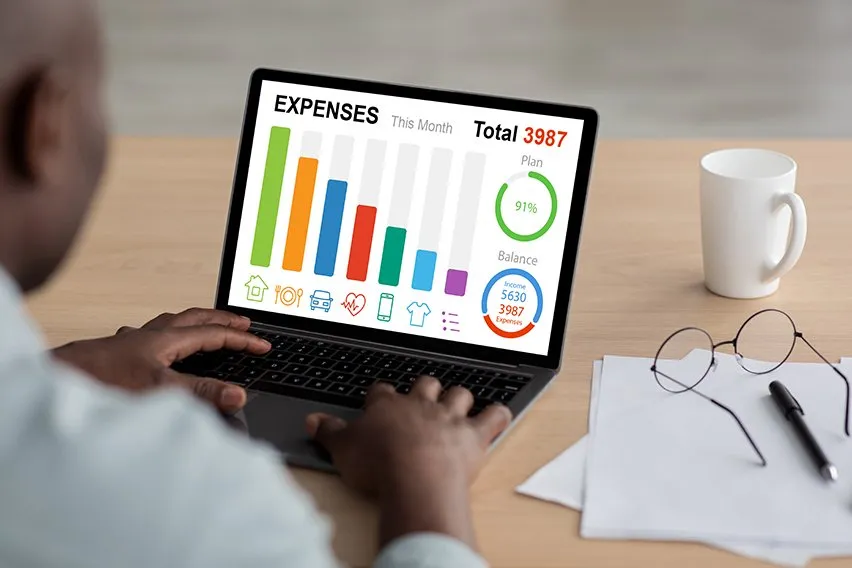
Every new year begins with hope, fresh plans and a promise to do better than the year before. While fitness and productivity often dominate resolution lists, financial discipline is the one habit that quietly shapes every part of life. From daily spending decisions to long-term security, the way you handle money determines how much freedom, stability and confidence you truly have. As 2026 begins, rising costs and easy access to credit make it essential to move beyond vague intentions and adopt money resolutions that are practical and measurable. The right financial resolutions do not require drastic sacrifices or a sudden jump in income. They focus on simple systems that turn ordinary monthly habits into steady wealth over time.
Yet, most money resolutions fail within weeks because they remain vague. Promises to “save more” or “spend less” sound sensible but offer no clear direction on how much, how often or for how long. Financial discipline improves only when good intentions are converted into systems that run quietly in the background. In 2026, building wealth is less about earning more and more about making small, repeatable decisions that remove emotion from everyday spending and investing.
The following money resolutions are designed to be specific, measurable and realistic for Indian households, focusing on habits that can be started this month and sustained for years.
Start a Rs 1,000 SIP

Make one decision this year that does not depend on motivation. Start a monthly SIP of at least Rs 1000 and never stop it. Treat it like electricity or phone bills. It gets paid first, every month.
At a long-term return of an average of 12 per cent, the math is eye-opening.
Over 10 years, you invest Rs 1.2 lakh. The value grows to roughly Rs 2.3 lakh.
Over 15 years, your total investment of Rs 1.8 lakh becomes close to Rs 5 lakh.
Over 20 years, the Rs 2.4 lakh you invested grows to about Rs 9.9 lakh.
This is not about getting rich quickly. It is about proving to yourself that consistency beats intensity. When income rises, do not touch this SIP. Start another one. The first SIP should remain untouched for decades.
Follow the 70-20-10 Money Rule

Financial discipline improves dramatically when cash flow is pre-decided. The 70-20-10 rule works because it leaves little room for emotional decision-making.
70 per cent of income is for all expenses, including rent, groceries, school fees, transport, insurance, eating out and lifestyle costs. If expenses spill over, something must be cut. Income should not be stretched to justify habits.
20 per cent of income goes directly into savings and investments. This includes SIPs, emergency funds and long-term goals. This portion must be automated so it leaves your account before spending begins.
10 per cent is reserved for wants. This is guilt-free money meant for indulgences. When this bucket is empty, spending stops, no matter how tempting the offer.
As a resolution, commit to this structure for at least six months without changing percentages. Stability is what makes the rule effective.
Give Every Rupee a Purpose Before You Spend It

One of the most underrated money resolutions is to stop treating income as a single pool. Instead, assign every rupee a clear job the moment it comes in. This habit, often called purpose-based money management, reduces misallocation and accidental overspending far more effectively than strict budgeting.
Create a small number of simple buckets and stick to them. One bucket should be for growth, which includes investments such as SIPs and long-term savings. Another should be for protection, covering insurance premiums and emergency funds. A third bucket can be for freedom, meant for unexpected opportunities like skill upgrades, short trips or career-related expenses. The final bucket is for lifestyle, handling daily expenses and regular spending.
The discipline comes from knowing that money assigned to one bucket cannot quietly leak into another. When you are clear that a rupee meant for protection cannot be spent on convenience or impulse purchases, decisions become easier and faster. You stop negotiating with yourself every time you spend.
This approach mirrors how capital is managed in well-run sectors of the Indian economy, including climate-positive MSMEs, where transparent allocation and responsible use of funds determine long-term sustainability. At a household level, the logic is the same. When money has a defined purpose, it works harder and lasts longer.
Apply a Strict 7-day Delay for Non-Essential Purchases

Impulse spending thrives on immediacy. The solution is delay, not denial.
Set a clear rule. Any non-essential purchase above a fixed amount, such as Rs 1,500 or Rs 2,000, must wait for seven days. During this period, do not research alternatives, do not track discounts and do not add items to wish lists.
If after seven days the purchase still feels necessary and fits within your budget rules, go ahead. Most people discover that the urge disappears once the emotional high fades. This single habit often frees up thousands of rupees each month without any feeling of sacrifice.
Use a Spend-and-Invest Pairing Rule for Lifestyle Purchases

This is a powerful resolution that quietly rewires spending behaviour. Every time you decide to spend on a discretionary item, you must first invest a portion of that amount.
For example, if you plan to buy something for Rs 1,000, commit to investing Rs 500 immediately. If that feels uncomfortable, downgrade the purchase. Buy something for Rs 500 and invest Rs 250. If even that feels too much, it is a signal that the purchase was not a priority to begin with.
This rule works because it introduces friction before impulse spending. Lifestyle upgrades automatically trigger savings upgrades. Investing stops being something you do later and becomes part of the cost of enjoying life today.
Over time, people who follow this habit begin to associate spending with long-term security. Saving becomes part of identity rather than a forced discipline. Money decisions shift from short-term pleasure to balanced satisfaction.
Fix One Weekly ‘No-Spend’ Day and Protect it Fiercely
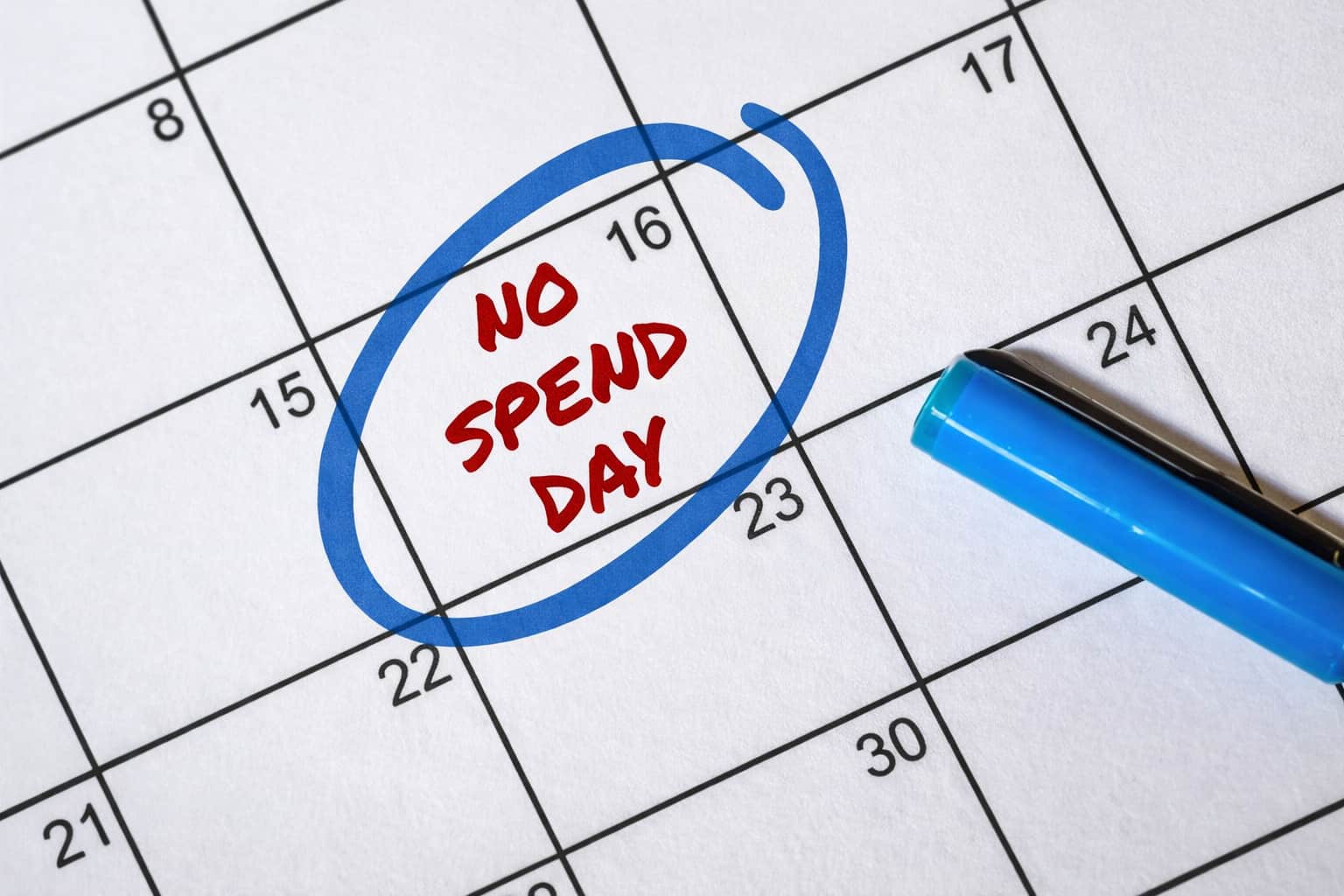
Another practical resolution is to declare one no-spend day every week. On this day, no money is spent at all. No food delivery, no online shopping, no grocery runs and no quick digital payments.
Food must come from what is already available at home. Entertainment must be free or already paid for. Doing this as a family turns it into a shared challenge rather than a restriction.
Over time, this habit improves planning, reduces food waste and breaks the habit of convenience-driven spending. Many families find that they automatically begin cooking more at home and shopping more intentionally.
Track Expenses Daily for 10 Minutes, Not Once a Month