


app-store-logo
play-store-logo
March 4, 2026

Middle East Tensions Escalate: Iran’s $20,000 Drones Challenge $4 Million US Defense Systems
The CSR Journal Magazine

As the conflict in the Middle East deepens, the situation has quickly transformed into a battle of attrition. The Islamic Republic of Iran has intensified its drone operations, targeting various locations across West Asia.

This strategy is creating significant pressure on the defense systems of the United States and its allies, particularly in regions such as Bahrain and the United Arab Emirates, leading to concerns over depleting military resources. The effectiveness of either side in sustaining their munitions may ultimately determine the outcome of this confrontation.

Drone Attacks Continue to Intensify

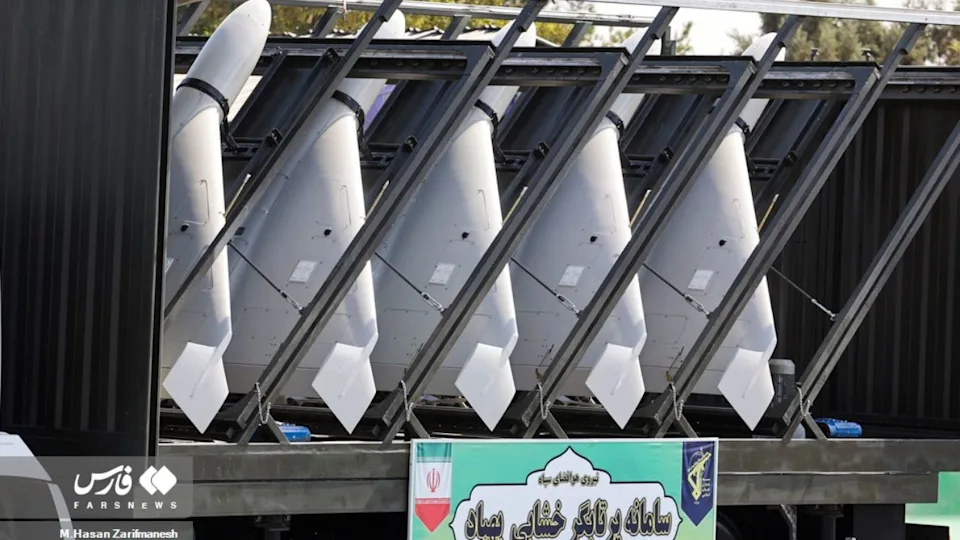
On Monday, Iran’s Shahed-136 drones, which function as one-way attack devices with characteristics similar to rudimentary cruise missiles, continued their offensive actions, impacting several strategic points across West Asia. These persistent assaults by low-cost drones have raised questions about the resilience and sustainability of the defense mechanisms employed by the US and allied forces in the region.

Effectiveness of US Defense Systems under Scrutiny

US-made Patriot air defense missiles have reportedly achieved a high interception success rate, reportedly exceeding 90%, in countering Iranian missile strikes. Despite this effectiveness, the financial discrepancy between the cost of intercepting drones and the value of the drones themselves raises significant concerns.

The use of $4 million missiles to neutralize $20,000 drones illustrates an enduring challenge encountered by military strategists, particularly highlighted during the Ukraine conflict. This scenario emphasizes the vulnerabilities inherent in modern military operations where economically manufactured weapons can exhaust resources allocated for more sophisticated threats.

Broader Implications of the Ongoing Conflict

The ongoing hostilities not only have tactical implications but also reflect broader regional dynamics. As Iran extends its drone capabilities, the strategic calculus for US and allied forces may require significant reassessment.

The continuing drone assaults highlight an evolving landscape of asymmetric warfare, where lower-cost hardware can pose substantial challenges to advanced military technology. This presents a unique dichotomy for defense planners as they balance budgetary constraints against the need for robust deterrent capabilities.

Future Outlook Remains Uncertain

The conflict’s trajectory suggests that the struggle will likely continue along its current path, with both sides exploring new strategies to gain an upper hand. For Iran, sustaining drone attacks serves as a demonstration of its military resolve, while for the US and its partners, the emphasis may shift to enhancing air defense systems in response to this emerging threat.

Observers note that the situation remains fluid, with potential escalation points that could demand immediate attention from military and political leaders globally.

Long or Short, get news the way you like. No ads. No redirections. Download Newspin and Stay Alert, The CSR Journal Mobile app, for fast, crisp, clean updates!

App Store –  https://apps.apple.com/in/app/newspin/id6746449540 

Google Play Store – https://play.google.com/store/apps/details?id=com.inventifweb.newspin&pcampaignid=web_share

Latest News

Popular Videos
