


Mexico Reintroduces Bison After 160 Years of Extinction
The CSR Journal Magazine

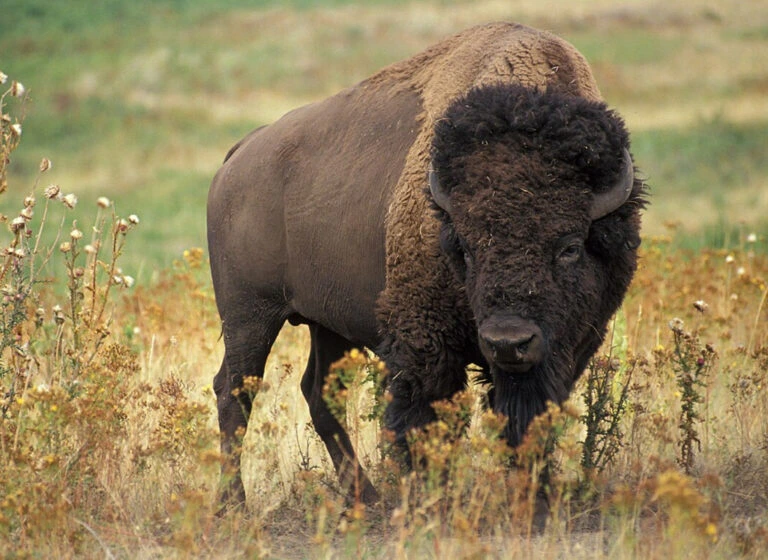
Mexico has officially reintroduced bison to its ecosystems, marking a significant moment 160 years after these animals were declared extinct in the region. A total of forty-seven bison have been relocated to the country’s northern areas, where they will play a vital role in ecological restoration. This initiative aims not only to revive the species but also to restore the natural habitats that these animals once thrived in.

Ecological Impact and Benefits

The return of bison is expected to bring substantial benefits to the ecosystem, as these large herbivores contribute to biodiversity. Their grazing behaviours help manage grasslands, promote plant diversity, and create habitats for various other species. By allowing bison to roam freely, they can help in maintaining the ecological balance that has been disrupted over the years due to their absence.

Experts believe that reintroducing bison can lead to healthier ecosystems in the region. The animals’ movements create disturbances in the soil, which can facilitate the growth of new plants and enhance water retention in the soil. This, in turn, benefits not only flora but also fauna in the area, promoting a more robust ecosystem overall.

The reintroduction project is part of a larger conservation strategy aimed at preserving Mexico’s wildlife and rehabilitating degraded landscapes. By restoring the bison population, Mexico is taking important steps towards ensuring ecological stability and sustainability.

Conservation Efforts and Support

This initiative has garnered support from various conservation organisations, which have collaborated with local authorities to facilitate the bison’s return. Efforts include monitoring the animals’ adaptation in their new environment and ensuring their health and safety in the wild. Conservationists are optimistic about the potential positive outcomes of this project.

Local communities are also involved in the reintroduction process, gaining education on the importance of bison to the local ecosystems. Through awareness programs, residents are encouraged to take part in conservation efforts, which also fosters a sense of pride and responsibility towards preserving their natural heritage.

The bison’s reintroduction is not only a step towards restoring ecological integrity but also serves as an inspiration for similar conservation initiatives in other parts of the world. By witnessing the revival of a species once thought lost, other nations might find encouragement to pursue their own conservation goals.

Future Prospects for Bison in Mexico

Looking ahead, conservationists are keen to monitor the newly introduced bison population closely to assess their adaptation to the environment. Continuous observation will be crucial to understanding their behaviour and impact on the surrounding ecosystem. This ongoing research will also inform future reintroduction efforts for other species in similar situations.

It remains essential to maintain the delicate balance between wildlife conservation and community needs. As bison re-establish themselves, their effects on local agriculture and land use practices will be scrutinised. Collaborative measures will be necessary to ensure that both wildlife and human interests are safeguarded.

Ultimately, the successful revival of bison in Mexico could prove to be a landmark achievement in conservation, demonstrating the resilience of nature when given a chance to recover. Progress in this project will be monitored, and its outcomes could shape future conservation approaches for both Mexico and beyond.

Long or Short, get news the way you like. No ads. No redirections. Download Newspin and Stay Alert, The CSR Journal Mobile app, for fast, crisp, clean updates!

App Store –  https://apps.apple.com/in/app/newspin/id6746449540 

Google Play Store – https://play.google.com/store/apps/details?id=com.inventifweb.newspin&pcampaignid=web_share

Latest News

Popular Videos
