


app-store-logo
play-store-logo
February 24, 2026

March 2026 Festival Calendar: Celebrations of Holi, Navratri, and Rama Navami
The CSR Journal Magazine

March is a significant month in the Hindu calendar, marked by an assortment of festivities that combine rich traditions with seasonal transitions and spiritual observances. In 2026, notable celebrations encompass Holi, Rang Panchami, Chaitra Navratri, and Rama Navami, as well as various fasting days and cultural events observed by numerous communities. This calendar provides insights for individuals preparing for these occasions, whether for puja rituals, fasting, or festive gatherings.

Holi 2026: Festival of Colours – 4 March

Holika Dahan will be observed on the evening of March 3, followed by Holi on March 4, 2026. The bonfire ritual commemorates the legend of Prahlad and the demoness Holika, symbolising the destruction of evil forces.

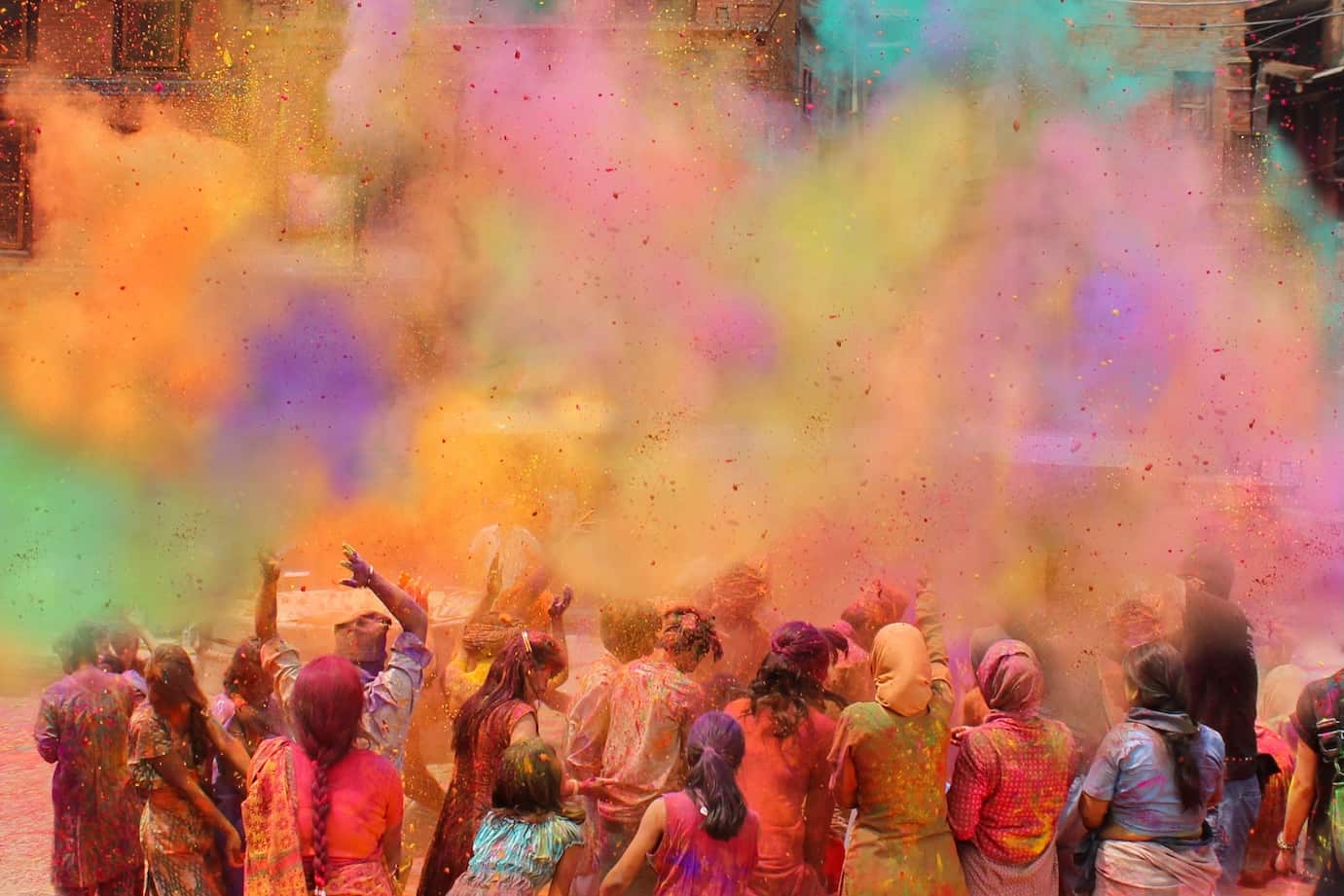
On Holi day, people celebrate by applying colours, sharing sweets such as gujiya and thandai, singing, dancing and visiting relatives. In many regions, the festival also marks the arrival of spring and the harvest season. Special traditions include Lathmar Holi in Uttar Pradesh and community celebrations in temples dedicated to Krishna.

Rang Panchami – 8 March

Rang Panchami will be celebrated on March 8, especially in Maharashtra, Madhya Pradesh and parts of Rajasthan. Unlike Holi, which often begins with dry colours, Rang Panchami is associated with wet colours and water-based festivities. The day symbolises the purification of the environment and the victory of positivity over negativity.

Sheetla Saptami or Basoda Observed for Health – 11 March

Sheetla Saptami, also known as Basoda, falls on March 11. Devotees worship Goddess Sheetla, believed to protect against diseases such as smallpox and seasonal infections. A unique feature of this festival is that food is prepared a day earlier and offered cold to the deity, as lighting the stove on the day itself is avoided.

Gudi Padwa, Ugadi, and New Year – 19 March

Gudi Padwa and Ugadi will be celebrated on March 19, marking the start of the new year according to the lunisolar Hindu calendar.

In Maharashtra, Gudi Padwa involves hoisting a decorated flag-like structure called a “Gudi” outside homes, symbolising victory and prosperity. Traditional foods include puran poli and neem-jaggery mixtures.

Ugadi, celebrated in southern states, features special dishes like Ugadi pachadi, which combines six tastes to represent the different experiences of life. Homes are decorated with mango leaves and rangoli, and people begin new ventures on this auspicious day.

Chaitra Navratri Begins the Sacred Nine Nights

Chaitra Navratri typically begins around the same time as the Hindu New Year, though exact dates may vary regionally. Devotees worship the nine forms of Goddess Durga over nine days, observe fasting and perform daily prayers.

The festival emphasises purification, self-discipline and spiritual renewal. Many households establish a kalash (sacred pot) as part of the ritual and perform aarti twice daily.

Gangaur Celebrations Honour Goddess Gauri — 21 March

Gangaur festivities, culminating around March 21, are especially significant in Rajasthan. Women worship Goddess Gauri, a form of Parvati, praying for marital happiness, family well-being and prosperity. Unmarried women also observe rituals seeking suitable life partners.

Traditional processions featuring decorated idols, folk songs and community participation are common during this period.

Rama Navami – 26-27 March

Rama Navami will be observed on March 26 (Smarta tradition) and March 27 (ISKCON tradition). The festival commemorates the birth of Lord Rama, the seventh incarnation of Vishnu.

Devotees fast, recite passages from the Ramayana, chant bhajans and organise temple ceremonies. In many places, dramatic reenactments of Ramayana episodes and processions of Rama’s idols are held. The fast is typically broken after sunset or following the completion of puja.

Papamochani Ekadashi

Papamochani Ekadashi, expected around March 15, is dedicated to Lord Vishnu. Devotees observe a strict fast, chant prayers and read religious texts, believing the vrat removes past sins and grants spiritual purification.

Kamada Ekadashi and Other Late-Month Vrats

Kamada Ekadashi, falling toward the end of March, is another important Vishnu-dedicated fast believed to fulfil desires and remove obstacles. Observers abstain from grains, follow a sattvic diet and engage in prayer throughout the day.

How These Festivals Are Observed

The celebrations in March harmonize joy, devotion, and familial ties. Holi is characterized by energetic color play and communal festivities, while Rang Panchami continues this festive spirit shortly thereafter. The observances of Gudi Padwa and Ugadi signify new beginnings with prayers and special dishes. In contrast, Rama Navami and Navratri are primarily devotional, with participants often engaging in fasts and pujas, dedicating nights to prayer and worship.

Festival Puja and Puja Tips

For Holi, it is customary to initiate festivities with the Holika Dahan bonfire the night before, praying for safety and using safe, natural colors for celebrations. In preparation for the Navratri and Gudi Padwa, one should cleanse the puja area, arrange the Kalash or sacred symbols, and present offerings of fruits and flowers. During Rama Navami, devotees are encouraged to read or listen to the Ramayana, concluding their fast after sunset or following the puja.

Long or Short, get news the way you like. No ads. No redirections. Download Newspin and Stay Alert, The CSR Journal Mobile app, for fast, crisp, clean updates!

App Store –  https://apps.apple.com/in/app/newspin/id6746449540 

Google Play Store – https://play.google.com/store/apps/details?id=com.inventifweb.newspin&pcampaignid=web_share

Latest News

Popular Videos
