


Malaysia’s Ships Granted Safe Passage Through Strait of Hormuz
The CSR Journal Magazine

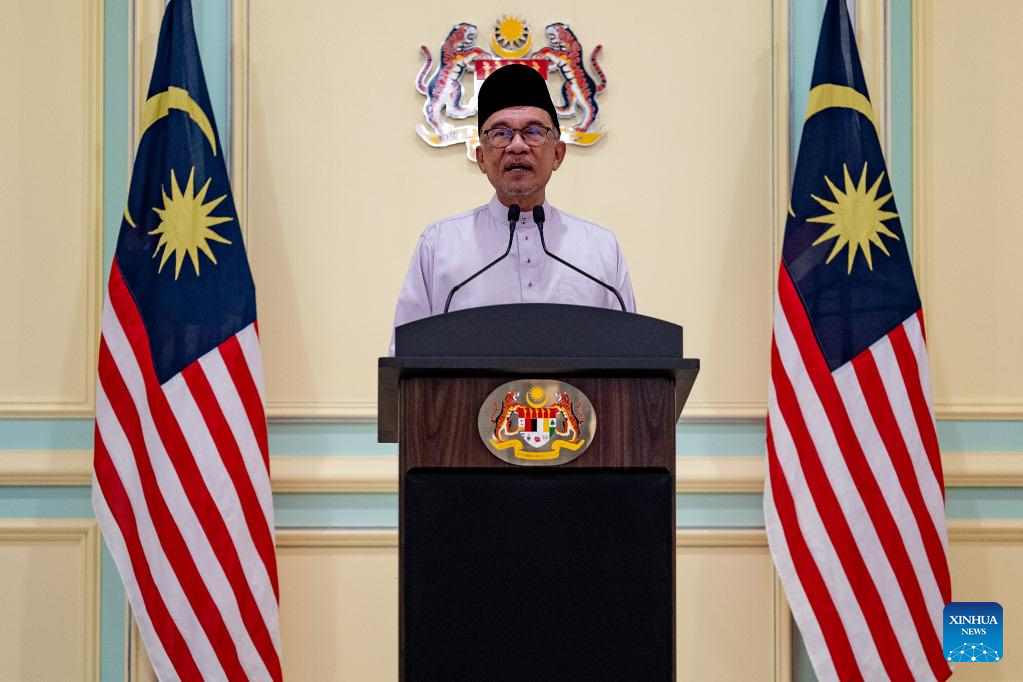
Malaysia’s Prime Minister Anwar Ibrahim has confirmed that Iranian authorities have permitted Malaysian ships to navigate the Strait of Hormuz. This announcement comes amid ongoing global energy challenges exacerbated by tensions in the region, particularly the conflict involving the United States and Israel with Iran. In a televised address, Anwar expressed gratitude towards Iranian President Masoud Pezeshkian for facilitating early clearance for Malaysian vessels through this crucial waterway.

Impact on Malaysian Energy Supply and Government Measures

Anwar assured that efforts are underway to secure the release of Malaysian oil tankers and ensure the safe return of the crews. However, he did not specify how many vessels have received clearance to pass through the strait, a vital conduit that facilitates approximately 20% of the world’s oil and liquefied natural gas shipments. Malaysia, which has historically maintained a non-aligned stance in global matters, has not provided further details regarding the conditions imposed on the vessels for their safe passage.

Despite facing disruptions to energy supplies, Anwar pointed out that Malaysia’s situation is more favorable when compared to other nations, attributing this resilience to the capabilities of the national oil and gas company, Petronas. As a significant exporter of liquefied natural gas, Malaysia relies on imports for nearly 70% of its crude oil, much of which is sourced from the Gulf region. In light of the current situation, Anwar has announced a series of fuel conservation measures, which include lowering the monthly petrol quotas for subsidized fuel and implementing flexible work-from-home arrangements for civil servants.

Economic Consequences of Supply Disruptions

During his address, Anwar acknowledged potential economic repercussions arising from the ongoing supply chain disruptions. He cautioned that food supplies would be affected and that price increases across various sectors, including fertilizers and energy resources, are likely. He remarked that while Malaysia’s circumstances are less dire than those faced by other countries, the nation will still feel the effects of the global supply issues.

Iran’s Stance on Maritime Control

Iran has indicated that the Strait of Hormuz remains accessible to vessels that do not align with U.S. or Israeli interests. The Iranian government maintains that it can exercise oversight over the waterway and has admitted responsibility for at least two recorded attacks on commercial ships in the area. Additionally, Iranian lawmakers are working on legislation to implement a toll system for maritime passage, with reports suggesting that some vessels may be required to pay up to $2 million for guaranteed safe transit through the strait.

Maritime tracking data indicates that five vessels crossed the strait on Wednesday, a slight increase from four the previous day according to the maritime intelligence firm Windward. Prior to the conflict, an average of 120 ships would transit this key maritime route each day, highlighting the significant impact of current geopolitical tensions on global shipping routes.

Long or Short, get news the way you like. No ads. No redirections. Download Newspin and Stay Alert, The CSR Journal Mobile app, for fast, crisp, clean updates!

App Store –  https://apps.apple.com/in/app/newspin/id6746449540 

Google Play Store – https://play.google.com/store/apps/details?id=com.inventifweb.newspin&pcampaignid=web_share

Latest News

Popular Videos
